Your 'Safe' SUV Just Flunked the New IIHS Test, and Everyone Is Confused
There is a specific kind of panic that sets in when you realize the thing you bought specifically for its safety rating suddenly loses that rating while it is sitting in your driveway. That is exactly what is happening this week following the Insurance Institute for Highway Safety’s (IIHS) latest crash-test cycle update.
In a move that feels a bit like a professor changing the grading curve after the final exam, the IIHS released new data today that has blindsided both consumers and a good chunk of the automotive industry. The headline? A slew of popular 2024 and 2025 family SUVs and crossovers—vehicles that were proudly wearing "Top Safety Pick" badges just last week—have seen their scores drop sharply under new, stricter criteria.
The culprit is the "moderate overlap" crash test, which has been updated to specifically target rear-seat occupant safety. Historically, safety engineering focused heavily on the driver and front passenger. Why? Because the driver is always there, and usually, they are the one signing the check. The rear seat was often treated as a "crumple zone for groceries" rather than a place for humans. But the IIHS has rightfully pointed out that if you buy a three-row family hauler, you probably care quite a bit about the people in the back.
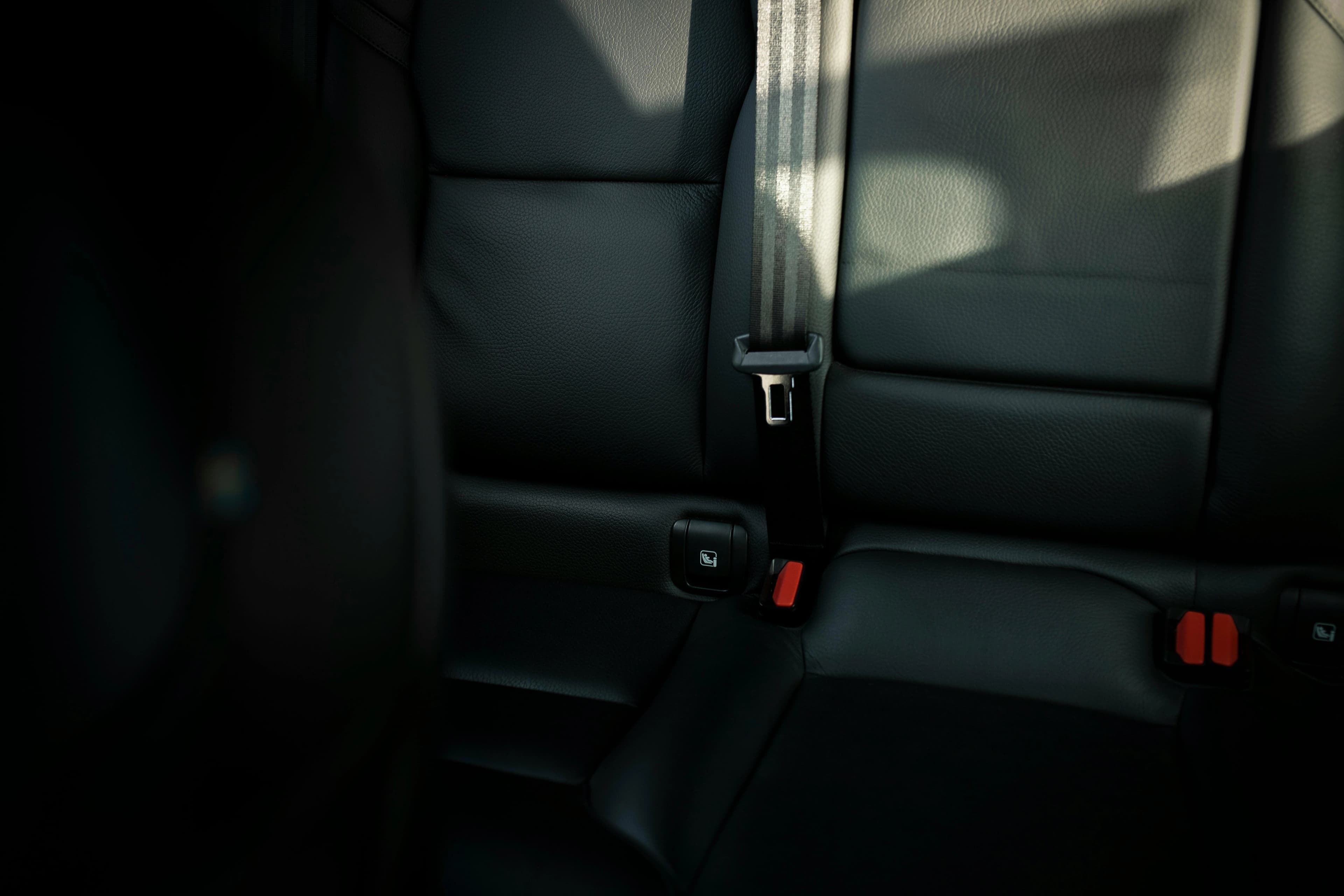
The new tests use more advanced dummies in the rear seats to measure the risk of head, neck, and chest injuries during a collision. These dummies are smaller, representing a 12-year-old child or a small woman, which is exactly who usually sits back there. The results showed that in many "safe" SUVs, the rear seatbelts allowed the passenger to "submarine" (slide under the lap belt) or move too far forward, risking head impact with the front seatback.
The results were, to put it mildly, not great for some very popular models. We aren't going to list them all here to avoid a lawsuit, but check the forums—they are currently on fire. Parents’ groups and safety threads lit up overnight with questions ranging from "Is my car a death trap?" to "Can I return this lease?"
Automakers, for their part, are scrambling. The standard PR response dropping into inboxes today is that these vehicles still fully meet all federal crash standards (NHTSA), which is true. Federal standards are the baseline; IIHS Top Safety Pick is the gold star. But for a brand that sells itself on safety—think Volvo, Subaru, Toyota—losing that gold star is a marketing disaster. It cuts to the core of their brand identity.
This creates a fascinating, if stressful, turbulence for December shoppers. We are in the peak of "Toyotathon" and "December to Remember" season. Dealers have inventory they need to move. Shoppers have end-of-year bonuses they want to spend. And suddenly, the sales pitch of "safest car in its class" has a massive asterisk next to it. Consumers are trying to parse conflicting guidance: The government says it's safe, the IIHS says it could be better, and the dealer just wants you to sign the paperwork so they can hit their volume bonus.
The reality is that cars didn't suddenly become dangerous overnight. They are just as safe as they were yesterday. What changed is our ability to measure that safety and the standard we hold it to. This is progress, even if it feels like a failing grade. It forces engineers to go back to the drawing board to install better pretensioners and load limiters in the rear seats. It forces them to ensure that the kid in the second row is just as protected as the driver. But until those updated models arrive, expect a lot of awkward conversations on showroom floors this month.