Your Next EV Battery Is Made Of Table Salt And Actually Works In The Cold
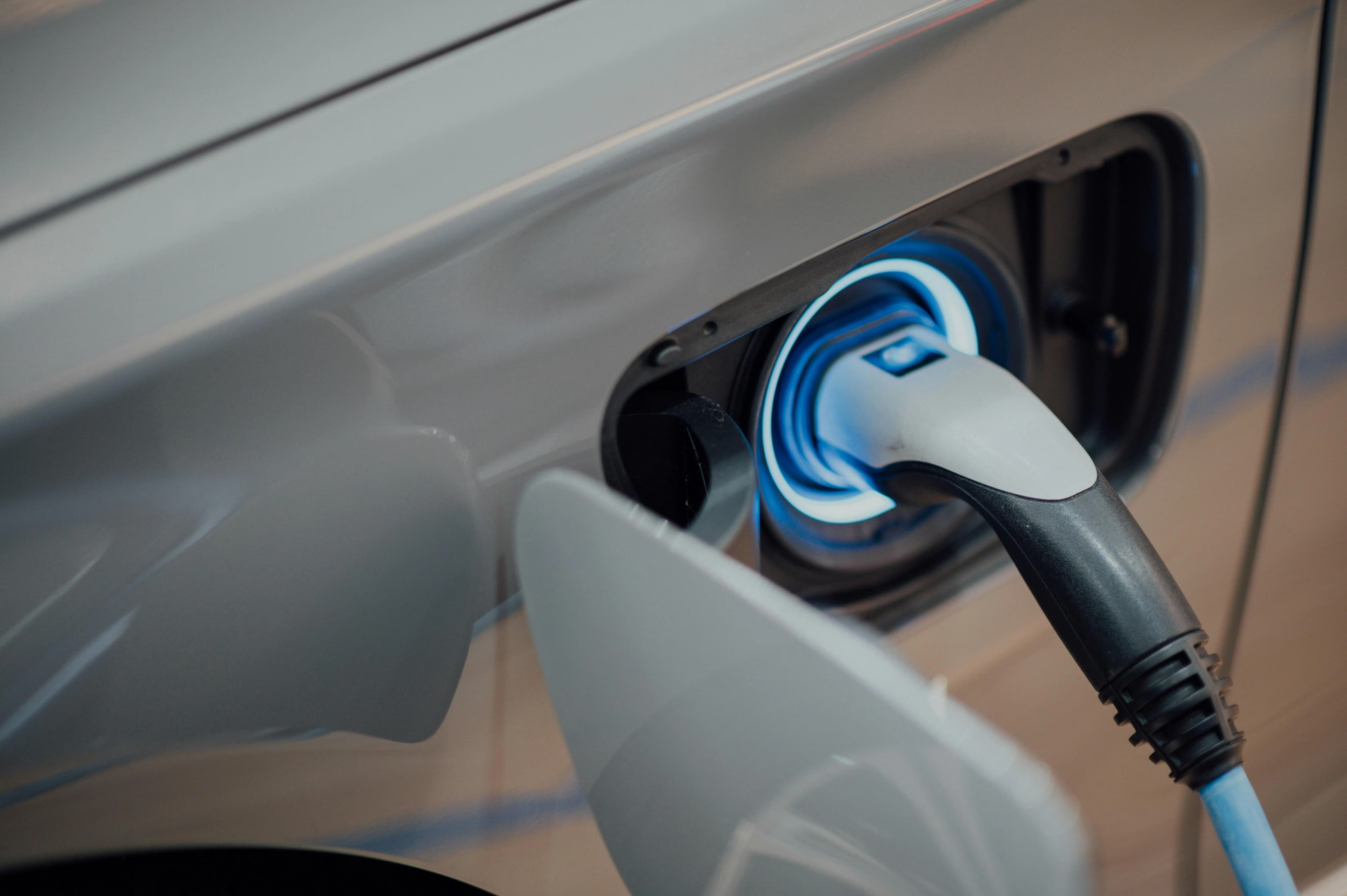
If you have been following the electric vehicle battery wars for the last decade, you know it has essentially been a two-horse race. In one corner, you have the high-performance, high-cost Nickel-Manganese-Cobalt (NMC) cells that power your long-range Lucids and Teslas. In the other corner, you have the cheaper, durable Lithium Iron Phosphate (LFP) bricks that power standard-range models and essentially the entire Chinese domestic market.
But today, the conversation shifted entirely to something you likely have sitting on your kitchen table right now.
Breaking news dropped this morning that CATL, the absolute titan of global battery manufacturing, is officially moving its sodium-ion technology from "cool science experiment" to "actual car you can buy." According to a press statement released just hours ago by CATL’s Chief Technology Officer Gao Huan, the company will begin mass installation of its sodium-ion batteries in passenger vehicles starting in Q2 of this year. The first recipient? A refreshed crossover model from GAC Aion.
Why should you care about a battery made of salt? Two reasons: Cold weather and cold hard cash.
Let’s talk about the weather first. We all know that lithium-ion batteries are notorious prima donnas when the temperature drops. They lose range, they charge slower, and they generally act like a teenager asked to mow the lawn at 7:00 AM on a Saturday. The chemistry just gets sluggish. Sodium-ion, however, is the honey badger of battery chemistry. CATL’s testing data shows that these new "Tectrans II" sodium cells retain over 90% of their discharge capacity at -4°F (-20°C).
For anyone living in the Midwest or the Northeast who has watched their projected range get slashed in half during a January freeze, this is the holy grail. It means consistent performance regardless of the thermometer, eliminating one of the biggest psychological hurdles for EV adoption in snow-belt states.
The trade-off has always been energy density. Historically, sodium ions are physically larger than lithium ions. Imagine trying to pack basketballs into a suitcase instead of tennis balls; you just can't fit as much energy into the same space. That is why sodium was relegated to scooters and energy storage grids. But CATL claims their new generation has cracked the code, hitting an energy density of 175 Wh/kg.
To put that in perspective, that number effectively catches up to the LFP batteries found in many standard-range EVs on the road today. They have managed to make the basketballs squishy, so to speak.
By swapping expensive, market-volatile lithium for abundant, dirt-cheap sodium, the cost of manufacturing drops significantly. We aren't talking about $100,000 luxury barges here; this tech is destined for the affordable mass-market segment that automakers have been neglecting while they built six-figure electric Hummers.
This is exactly the kind of innovation the market needs to finally democratize electric mobility. While high-end manufacturers are chasing 0-60 times that make you nauseous, the real battle for EV adoption is happening in the budget segment. If you're looking to make the switch but have been priced out, keep an eye on OptiCar later this year. We expect these sodium-powered models to start hitting our marketplace listings by late summer, likely undercutting their lithium counterparts by a healthy margin while offering the same interior space and tech.
It is cleaner to mine, cheaper to build, and it actually works when it snows. The future of affordable motoring might just be worth its salt after all.