Your EV Is One Pothole Away From Being Totaled, Says New Insurance Report
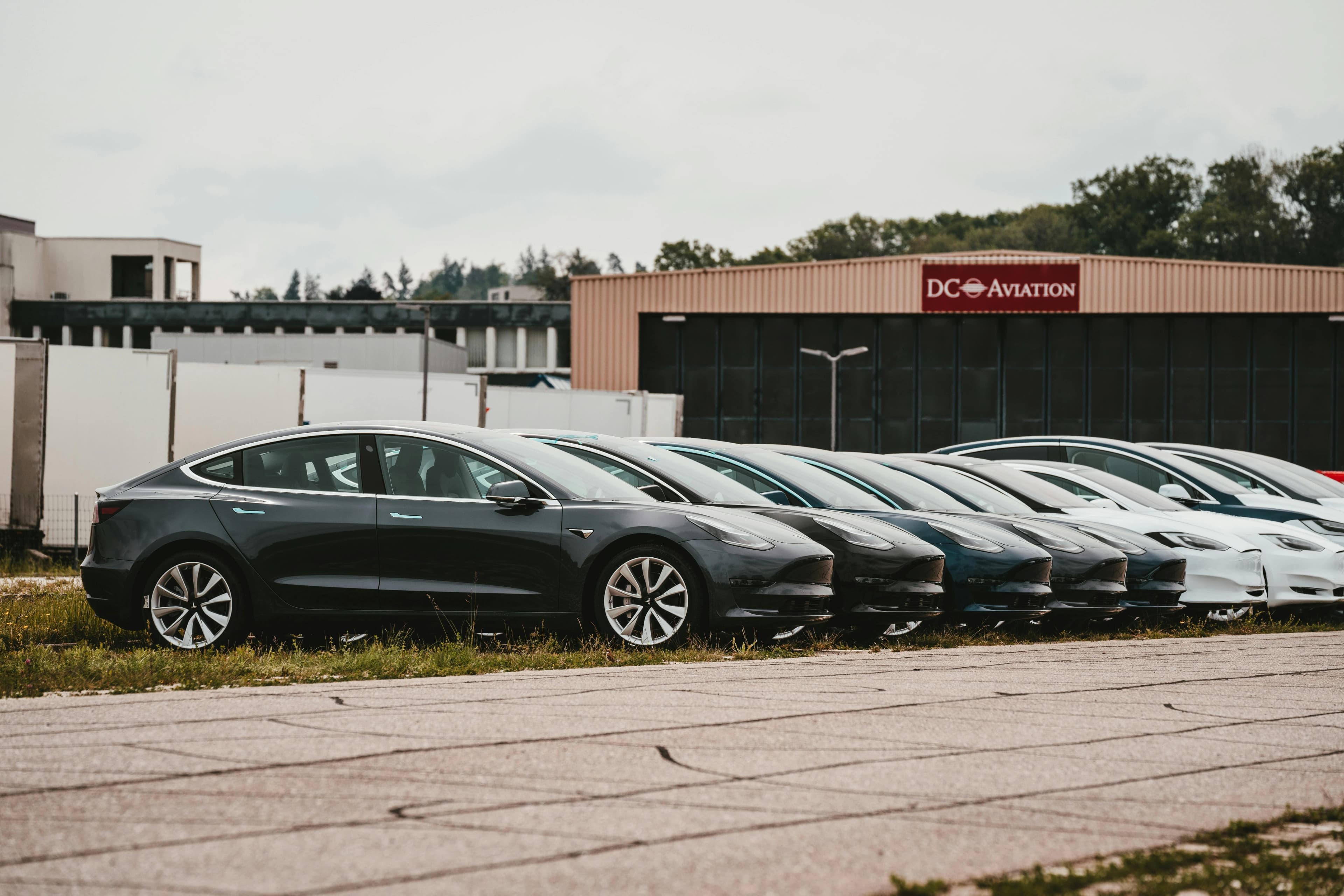
If you thought the "EVs are disposable" narrative was just fear-mongering spread by people who hoard V8 engines and tin foil, I have bad news for you. Yesterday, the Highway Loss Data Institute (HLDI) and Mitchell International dropped a joint report that reads like a horror story for anyone with a lithium-ion battery in their driveway.
The headline statistic is enough to make you check your policy deductibles immediately: The "total loss" rate for EVs with minor underbody damage has spiked 30% year-over-year in Q1 2026.
Let’s translate that into English. If you are driving your shiny new Hyundai Ioniq 5, Tesla Model Y, or virtually any other modern EV with a structural battery pack, and you run over a particularly aggressive speed bump or a rogue piece of highway debris, you aren't looking at a repair bill. You are looking at a new car.
The problem, as the report painstakingly details, is the industry’s complete inability—or perhaps refusal—to diagnose and repair battery casings. The automotive industry has spent the last five years racing to build the "skateboard" chassis, where the battery is not just a fuel tank, but a structural component of the car’s frame. It’s brilliant for manufacturing efficiency and torsional rigidity. It makes the cars drive better and cost less to build. But it has turned the most expensive component of your vehicle into an eggshell.
If a service technician puts the car on a lift and sees even a scratch on the protective plate of a structural battery pack, the liability risk of sending that car back on the road is currently considered "infinite" by corporate legal departments. The car might be perfectly fine mechanically. The cells might be balanced. The range might be 100%. But because the "skateboard" has a dent the size of a quarter, and because there is no approved repair procedure for "patching" a structural member that holds 800 volts of electricity, the car is scrap.
This is creating a bizarre "Uncanny Valley" in the used market. We are seeing thousands of low-mileage EVs sitting in salvage yards with absolutely nothing wrong with them other than a cosmetic blemish on a part you can’t even see. These aren't twisted wrecks; they are cars you would happily drive, if only the VIN wasn't branded "Salvage."
Of course, this wastefulness is wreaking havoc on insurance premiums. The report notes that insuring a mid-range EV now costs roughly 40% more than insuring a comparable luxury ICE vehicle. It’s not because EVs catch fire (statistically, they don't, compared to gas cars). It’s because they are brittle. Underwriters have realized that a fender bender in a BMW 3-Series is a $4,000 bumper job, but a bottom-out in a Model Y is a $45,000 payout.
This reality has fundamentally changed the game for the used car buyer. If you are looking at a second-hand EV, you are walking through a minefield. You can’t just kick the tires and check the oil anymore. You need to know if the previous owner hopped a curb three years ago.
The automakers, for their part, promised us modular repairs. They promised us swappable cell modules. Instead, we got "mega-castings" and packs that are glued together with the permanence of the Pyramids. Until they figure out how to let us fix a scratch without throwing away a $15,000 component, the "affordable EV" will remain a myth—not because of the sticker price, but because of the insurance bill.