Your Car Wants to Chat About Your Feelings Now
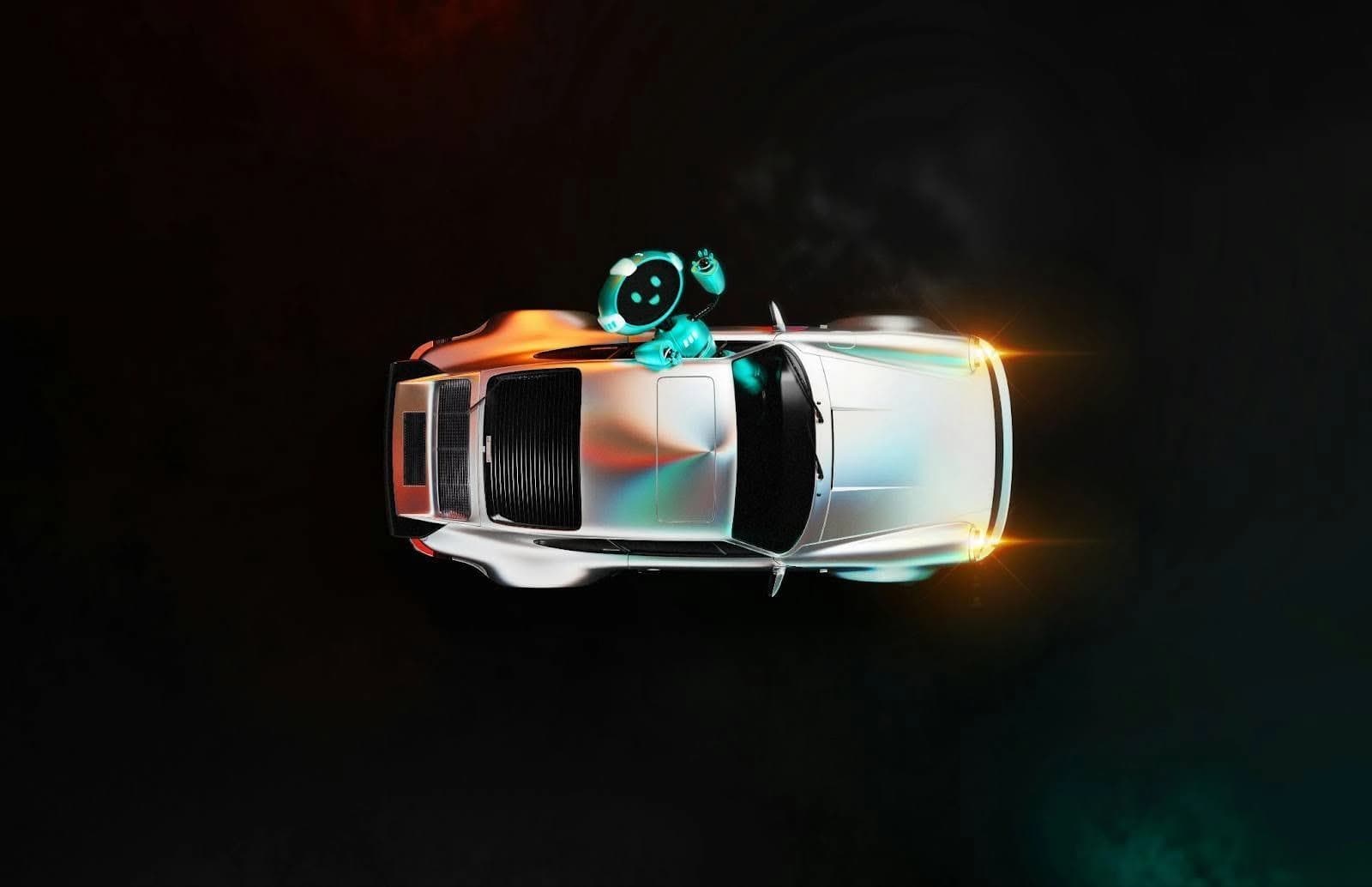
Remember when talking to your car meant yelling "CALL MOM" three times before it finally understood you, then accidentally dialing your ex instead? Yeah, those days might actually be numbered. Cerence AI just unveiled its latest voice assistant technology at IAA Mobility 2025, and it's giving serious J.A.R.V.I.S. vibes—except it won't help you build an Iron Man suit, just find the nearest Starbucks.
The company's new Cerence xUI platform is built on what they're calling CaLLM—because apparently every AI company needs its own trademarked acronym now. This isn't your grandfather's voice recognition system that could barely handle "navigation." We're talking full conversational AI that understands context, handles multi-turn dialogue, and can even manage multiple passengers talking at once. It's like having a really patient friend who never gets tired of your questions about sports scores and weather updates.
Cerence claims its technology is already in 525 million cars worldwide, working with more than 80 automakers and Tier 1 suppliers. That's a lot of cars having one-sided conversations with drivers who still talk to inanimate objects. The new system works both online and offline, which means you can have an existential conversation with your dashboard even when you're out in the middle of nowhere with no cell service. Progress!
What makes this interesting—beyond the novelty of your car actually understanding what you're saying—is the hybrid approach. The system combines cloud-based AI for real-time information with onboard processing for basic functions. Translation: when you ask about traffic, it hits the cloud. When you ask it to turn up the heat, it handles that locally. This means faster responses for the stuff that matters and fewer instances of your car freezing mid-sentence.
The platform integrates with Microsoft 365 Copilot, turning your vehicle into a mobile office. Because what we all needed was another way to work while driving. Nothing says "safe commute" like dictating emails to your car while navigating rush hour traffic. Cerence insists this is hands-free and eyes-off technology, designed for safety. Sure, but we all know how that one friend uses voice commands—screaming at their phone like it personally offended them.
The system can handle vague commands, understands follow-up questions, and even catches when you change your mind mid-sentence. It's basically designed for indecisive people who can't commit to a restaurant choice. "Find Italian food. Actually, make it Mexican. Wait, is that Thai place still open?" Your car will patiently sort through your dinner crisis without judgment. Unlike your spouse.
Automakers can customize the assistant's personality, voice, and behavior to match their brand identity. So BMW owners can have an assistant that sounds appropriately German and efficient, while Jeep drivers get something that suggests they should probably take that trail over there. The system supports multiple languages and can be updated over-the-air, meaning your car's personality might evolve over time. Hopefully not toward homicidal AI—we've all seen that movie.
The real question is whether consumers actually want this level of interaction with their vehicles. We're still in the early stages where most people treat voice assistants like slightly smarter versions of the old systems—barking commands and hoping for the best. Cerence admits that nobody really knows how this will develop until consumers start using it, which is corporate-speak for "we built it, now let's see if they come."
The technology is rolling out now in various automakers' vehicles, with pure cloud updates that work with existing hardware. So if you bought a car recently, there's a decent chance a software update might give it conversational abilities it didn't have before. Just what every driver needs—their car suddenly developing opinions about their music choices. The future is here, and it's chatty.