Your Car Is Not Junk: How to Win the Trade-In Poker Game

Walking into a dealership to trade in your car feels a lot like walking into a high-stakes poker game where you are the only one who hasn't seen the deck. You pull up in your trusty commuter, the one with the slight coffee stain on the passenger seat and a service history longer than a CVS receipt, hoping for a fair shake. Instead, you are met with a number that feels like a personal insult to your vehicle's dignity.
It is a classic tale of two valuations. You see a well-maintained machine that has never missed an oil change; the dealer sees a wholesale unit that needs a reconditioning budget and a quick trip to the auction. This gap between expectation and reality is where most car deals fall apart, but it doesn't have to be that way. If you want to stop leaving thousands of dollars on the table, you need to stop thinking like a seller and start thinking like a floor manager.

The Great Wholesale Illusion
The first thing to understand is that the number the salesperson scribbles on a four-square sheet isn't the value of your car. It is an opening bid in a negotiation designed to protect their margins. Dealers operate on the spread between what they pay you (wholesale) and what they can sell it for on the lot (retail).
Wholesale is the price a dealer pays to acquire inventory without the intention of keeping it for their own showroom. They might send it to a regional auction where other dealers bid on it. Retail is the price a consumer pays after the car has been detailed, inspected, and potentially certified. When a dealer lowballs your trade, they are often trying to bake in enough profit to cover the risk of the car sitting on the lot or the cost of shipping it to an auction house. Your job is to prove that your car is a retail-ready gem, not an auction-bound headache.

Arming Yourself With Digital Paperwork
Gone are the days when the Blue Book was the only Bible in town. Today, the market moves faster than a turbocharger on a cold morning. To establish a firm floor price, you need real-time data from multiple sources. Don't just look at one website and call it a day.
Start by gathering three distinct types of valuations. First, get an instant cash offer from a major online retailer. These are backed by actual checks and represent the true floor of the market. If a digital giant is willing to wire you twenty thousand dollars for your SUV today, that is your absolute minimum. Second, look at local listings for similar vehicles. This gives you the retail ceiling. Finally, use a market-specific valuation tool that accounts for regional demand. If you are selling a convertible in Los Angeles in July, the price will be significantly higher than if you were selling that same car in Minneapolis in January.

The Visual Appraisal Strategy
Dealers are visual creatures. When an appraiser walks around your car, they are looking for excuses to deduct five hundred dollars here and a thousand dollars there. A dirty interior suggests mechanical neglect, even if the engine is pristine.
Before you even think about driving onto the lot, spend the money on a professional detail. A hundred dollars spent on a deep clean and a wax can easily translate into a thousand-dollar bump in trade-in value. Remove the car seats, vacuum the crumbs out of the crevices, and make sure the wheels are free of brake dust. You want the appraiser to look at the car and see a vehicle they can put on the front row of their lot tomorrow morning without spending a dime on reconditioning.
The Maintenance Manifesto
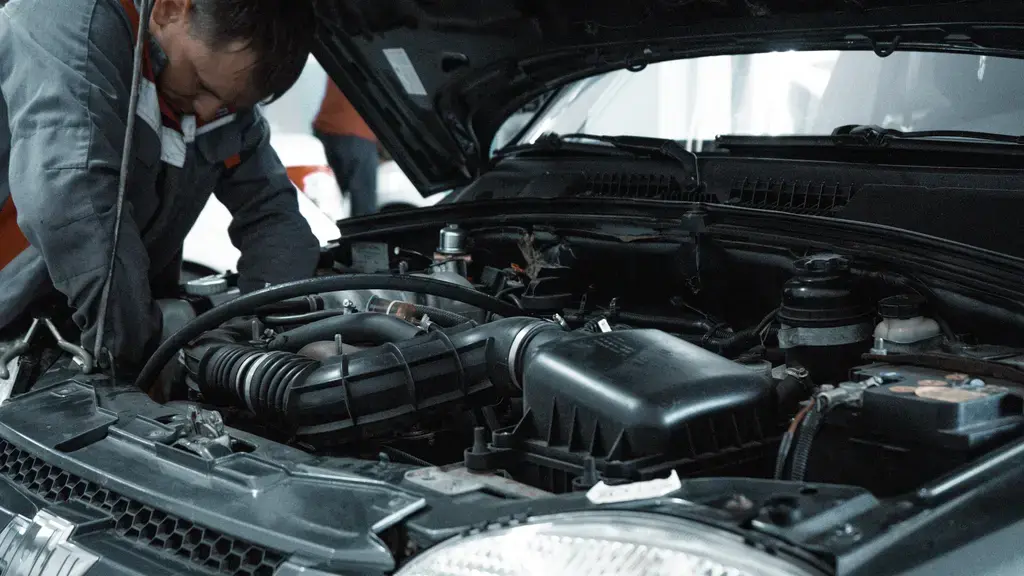
Nothing kills a trade-in value faster than uncertainty. If the dealer doesn't know when the timing belt was last changed or if the tires have enough tread to pass a safety inspection, they will assume the worst and deduct the cost from their offer.
Show up with a neatly organized folder of every service record you have. If you have replaced the brakes in the last six months, highlight that. If the tires are new, point it out. By providing a transparent history of the vehicle, you are removing the risk for the dealer. You are essentially telling them that this car is a safe bet, which gives them the confidence to offer a higher price. It is much harder for a manager to justify a lowball offer when they are staring at a stack of receipts proving the car is in top-tier mechanical shape.
Using the Tax Advantage as a Lever
In many states, the value of your trade-in is deducted from the purchase price of your new car before sales tax is calculated. This is a powerful tool in your negotiation kit, but only if you know how to math your way through it.
If you are buying a forty thousand dollar truck and your trade is worth twenty thousand, you only pay sales tax on the remaining twenty thousand. In a state with an eight percent tax rate, that is a sixteen hundred dollar savings. If an independent buyer offers you twenty-one thousand dollars, you might actually be better off taking the twenty thousand dollar trade-in from the dealer because of the tax credit. Understand these numbers before you walk in, so you can quickly calculate if a dealer's offer is truly competitive or just a clever distraction.
Walking Away Is Your Best Move
The most important tool in any negotiation isn't a spreadsheet or a stack of receipts; it is the willingness to leave. Dealerships are designed to make you feel like you are committed once you have spent an hour in the showroom. They use your time as a sunk cost to pressure you into accepting a mediocre deal.
If the numbers don't align with the market data you have gathered, simply thank them for their time and head for the exit. More often than not, the manager will find an extra few hundred dollars the moment your hand touches the door handle. If they don't, you have the peace of mind knowing that you can take your car elsewhere. The market is huge, and there is always another dealer who needs inventory.

The Final Hand
Proving your car is worth more than the initial offer isn't about being confrontational; it is about being the most informed person in the room. When you walk in with a firm floor price backed by instant cash offers, a clean vehicle, and a complete service history, you aren't just a customer; you are a partner in a business transaction.
By bridging the gap between wholesale and retail, you reclaim the equity you have built in your vehicle. Don't let the shiny lights of the showroom distract you from the fact that your current car is a valuable asset. Treat it like one, defend its value with data, and you will walk away with a deal that actually makes sense for your wallet, not just the dealership's bottom line.