You No Longer Need to Sell a Kidney for a 10-Year-Old Tacoma
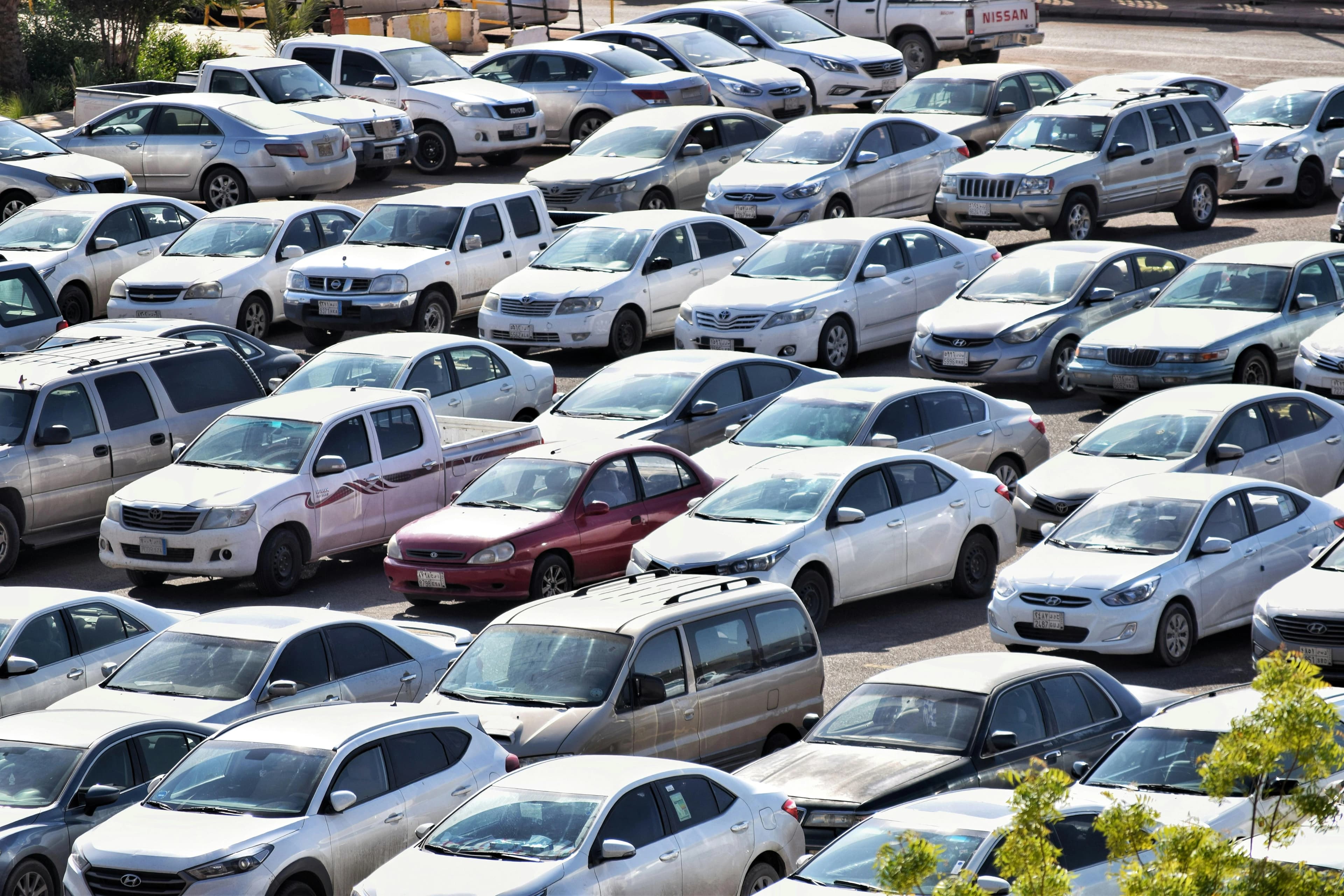
Cast your mind back to 2022, when desperate car shoppers were routinely handing over forty thousand dollars for six-year-old Toyota Tacomas with dented tailgates and a hundred thousand miles on the odometer. If you attempted to purchase a pre-owned vehicle anywhere between late 2021 and early 2025, you likely retain vivid memories of getting thoroughly squeezed at the dealership. Microchip shortages crippled factory assembly lines, new vehicle inventory evaporated overnight, and the used car market transformed into a lawless swap meet where sellers demanded eye-watering sums for completely ordinary daily drivers.
Fortunately for anyone who relies on a motor vehicle to get to work, mid-2026 market data indicates that the long fever dream has officially broken. Industry statistics show that used vehicle wholesale and retail prices have stabilized, lot inventory levels have rebounded to healthy historical norms, and auto loan interest rates are finally cooling off after a grueling climb. For the first time in nearly half a decade, everyday consumers looking for a used car actually possess genuine leverage when walking onto a dealer lot.
This market realignment comes down to straightforward supply chain math and the passage of time. New car assembly plants have been running at full capacity for months, which means fleet operators, leasing companies, and trade-in customers are flowing through their normal replacement cycles once again. That steady stream of trade-ins has refilled pre-owned vehicle inventories across the country. Dealerships that spent the past few years hoarding overpriced inventory now find themselves forced to price cars reasonably if they want to clear lot space before floorplan financing costs swallow their profit margins.
None of this means used vehicles are suddenly going to be dirt cheap. General economic inflation and higher baseline manufacturing costs ensure that we will probably never return to the days of finding bulletproof five-thousand-dollar commuter cars on every corner. However, price predictability is an enormous victory for consumers who were previously pushed into panic buying. Instead of competing against three other desperate buyers for a rusty crossover, shoppers can now take their time, negotiate on price, request thorough pre-purchase inspections, and sleep on a decision before signing financing paperwork.
Ultimately, the stabilization of the pre-owned market is the most encouraging news car shoppers have received in years. The era of blind desperation, astronomical dealer markups, and taking whatever vehicle happened to be parked on the lot is finally receding into history. If you have been carefully nursing an aging daily driver while waiting for automotive market sanity to return, it might finally be safe to open up a browser tab and start shopping with confidence. Just remember to research thoroughly, inspect every potential purchase carefully, and leave the panic back in 2022 where it belongs.