Winter Storms Have Left Dealerships Drowning in Unsold Cars
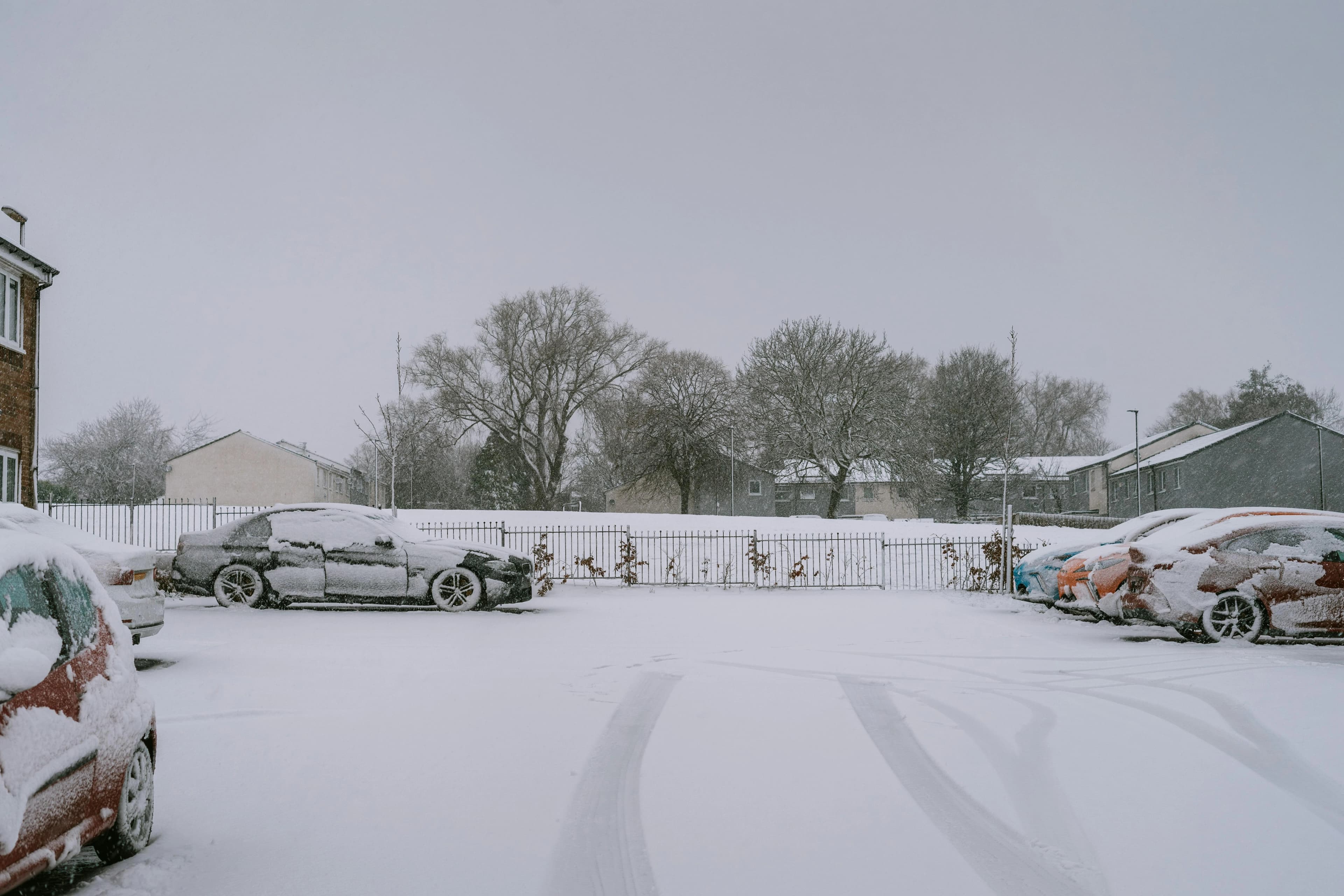
The American car dealership has always been a place of high drama, but this February, the drama is mostly coming from the weather and the sheer volume of metal sitting idle under a layer of frost. Recent winter storms, most notably the late-January blast known as Winter Storm Fern, have done more than just cancel school and ruin commutes; they have effectively frozen the automotive market in its tracks. While buyers were huddled inside with hot cocoa, dealerships were watching their inventory levels swell to a national average of 98 days' supply. For context, the industry usually aims for about 60 to 75 days. We are now well into the territory of a bloated market where the cars are staying on the lot longer than some Hollywood marriages.
The pressure is most visible at Stellantis franchises, where brands like Jeep are currently ballooning to a 143-day supply. That is nearly five months of inventory sitting and waiting for a home. When a car sits that long, it starts to cost the dealer a significant amount of money through floorplan loans—the high-interest credit lines used to keep those shiny new Gladiators and Grand Wagoneers on display. Every day a Jeep sits in the snow, it eats away at the dealer’s potential profit. This creates a massive amount of leverage for anyone brave enough to put on a heavy coat and walk onto a lot right now.
This inventory glut is the result of a perfect storm—literally. The combination of high interest rates, the seasonal January slump, and record-breaking snowfall has created a prime buyer’s market. Brands like Ford and Chevrolet are also seeing their days' supply jump into the triple digits for certain models. The F-Series, usually the king of quick turnover, is finding itself spending a lot more time getting acquainted with the local pavement than usual. Even with the traditional tax refund season approaching, which usually provides a much-needed boost to showroom traffic, the sheer volume of unsold 2025 and early 2026 models is giving buyers the upper hand for the first time in years.
Navigating this sea of unsold vehicles can be overwhelming, which is where tools like OptiCar become essential. By scanning millions of listings across the country, you can pinpoint exactly which regions are the most overstocked, allowing you to find the deepest discounts without having to drive through a blizzard yourself.
The current situation is a fascinating look at the fragility of the automotive retail model. Dealers are stuck between a manufacturer that wants to keep the assembly lines moving and a consumer base that is increasingly price-sensitive. The result is a standoff that the consumer is currently winning. If you are looking for a Jeep or a domestic pickup, you are no longer asking for a discount; you are practically doing the dealer a favor by taking the car off their hands and stopping the bleeding on their floorplan interest. It is a rare moment of transparency in the market where the inventory numbers speak louder than any TV commercial.
As the snow begins to melt and the 98-day supply starts to slowly dwindle, the window for these lot-sitting deals will eventually close. But for now, the sheer weight of all those unsold vehicles is pressing down on prices across the board. The industry is structurally healthy, but it is currently having a very slow, very cold morning. If you have the patience to dig through the digital listings and the fortitude to negotiate, February 2026 might just be the month you land the deal of a lifetime on a vehicle that has been waiting very patiently for you to show up.