Why Your Gas-Guzzling Mustang Is Actually More Honest Than a Supercomputer on Wheels
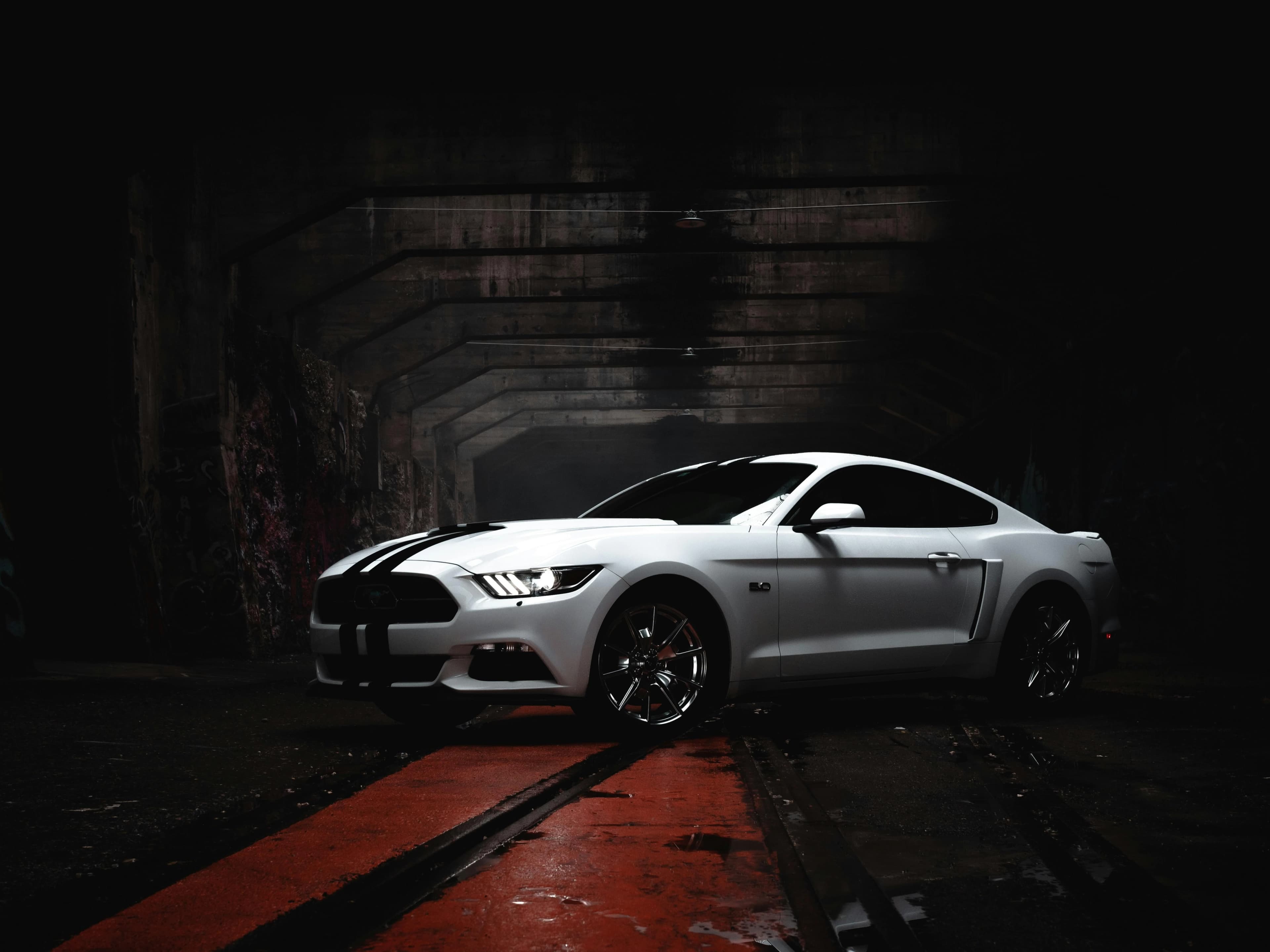
There is a certain irony in the fact that we have spent the last decade being told that the internal combustion engine is a relic of a less efficient past. We were promised a future where every kilowatt-hour was accounted for and every mile was a scientific certainty. Yet here we are in February 2026, looking at fresh data from the Australian Automobile Association and Edmunds that suggests our digital saviors might be fudging the math while the old-school muscle cars are quietly overachieving.
The headline for today is a bit of a shocker for anyone who thinks a V8 is just a machine for turning gasoline into noise. In recent real-world efficiency trials, the Ford Mustang GT with its 5.0-liter Coyote engine did something practically unheard of in the modern era. It actually beat its official lab-tested fuel consumption figures by a staggering 22 percent. While the government-mandated stickers suggested one thing, the actual physics of driving on real roads with real hills and real wind told a much better story. Even the four-cylinder EcoBoost model got in on the action, outperforming its rating by six percent.
Contrast this with the current crop of high-tech marvels. The same testing cycle found that the BYD Seal, a car that looks like it was shaped by a supercomputer in a wind tunnel, saw its real-world range drop by 25 percent compared to the laboratory results. This is not just a minor discrepancy or a rounding error. This is the difference between making it to your destination and spending forty minutes at a charging station in the middle of a literal nowhere because the window sticker lied to you.
The problem here is not the technology itself, but the way we measure it. Laboratory tests are performed in controlled environments that favor aerodynamics and steady-state cruising. They do not account for the way a human being actually interacts with a throttle. Paradoxically, the high torque and specific gearing of a large V8 like the one in the Mustang allow it to lope along at highway speeds without breaking a sweat. It is the ultimate long-distance runner that doesn't realize it is supposed to be out of breath. Meanwhile, EVs are often optimized to excel in the specific rhythms of the EPA test cycle, leaving them vulnerable to the harsh realities of the open road.
This range gap is creating a crisis of confidence for consumer-focused shopping. If you cannot trust the most prominent number on the window sticker, how are you supposed to plan a road trip? We are seeing a market where the "range reckoning" is finally hitting home. People are realizing that a car with a 300-mile rating might only give them 220 miles of actual utility, while that "thirsty" Mustang they were afraid of might actually be the more predictable partner for a cross-country sprint.
For those of you looking to navigate this confusing landscape without getting burned by bad math, it helps to have a marketplace that lets you see everything in one place. OptiCar is a great resource for this, as it allows you to shop millions of vehicles across the country and compare these real-world performers against the over-hyped newcomers. Whether you want the honest rumble of a Coyote V8 or a high-efficiency hybrid that actually lives up to the brochure, having the right data is the only way to avoid sticker shock.
The lesson here is simple. We are living in an era where software and sensors try to manage every drop of energy, but they still cannot account for the sheer unpredictability of the world. The Mustang proves that sometimes the old ways are the most reliable, not because they are more advanced, but because they do not have to try so hard to look good on paper. As the industry continues its pivot toward electrification, manufacturers would do well to remember that consumers value honesty just as much as they value innovation. Until the lab tests start looking like actual roads, we will keep our eyes on the cars that do more with less, even if they have eight cylinders and a heavy foot.