Why ADAS Calibration Just Became Your Insurance Company’s New Favorite Phrase
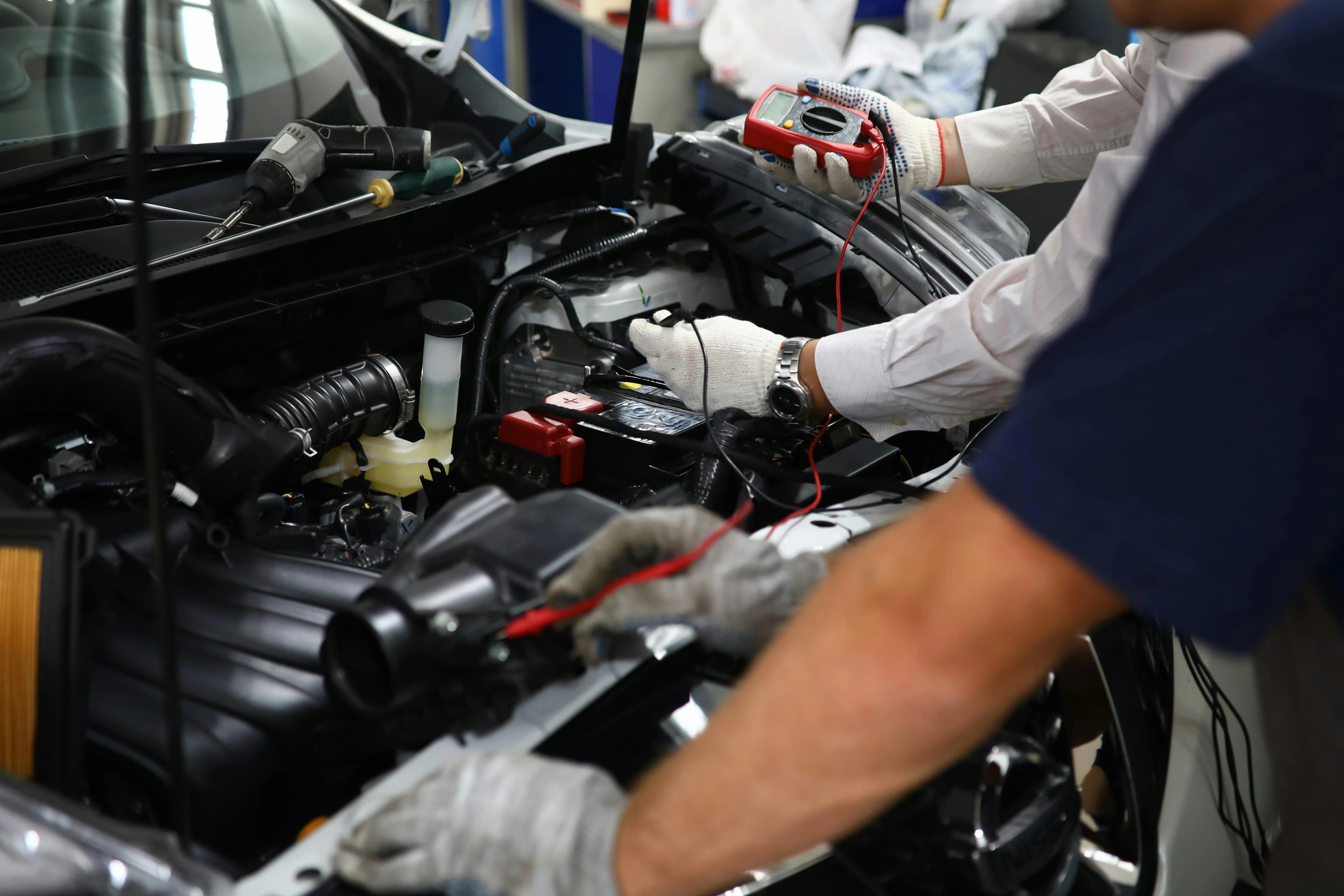
You get into a fender bender. It’s minor. A cracked bumper, a scuffed headlight. In the old days, a body shop would slap on a new plastic cover, paint it, and send you on your way in three days.
Welcome to 2025, where that same fender bender is now a three-week ordeal involving laser targets, radar alignments, and an insurance adjuster who suddenly cares very deeply about "millimeter-wave radar variances."
Insurance carriers are raising the alarm over a massive spike in claims related to ADAS (Advanced Driver Assistance Systems) misalignment. It turns out that the sensors keeping you in your lane and stopping you from rear-ending the guy in front of you are incredibly sensitive. And, more importantly, they are incredibly easy to mess up during a repair.
The issue isn't the crash itself; it’s the repair. A simple windshield replacement—once a $300 job done in a parking lot—now requires a camera recalibration that can cost $800. If that calibration is off by even one degree, your Automatic Emergency Braking might decide a shadow is a brick wall, or worse, decide a brick wall is a shadow.
Insurers have noticed a disturbing trend: "Re-crash" rates. Vehicles that have had bodywork done are showing up in accidents again shortly after repair, often due to ADAS failure. As a result, carriers are clamping down.
New internal guidance at major insurance firms is requiring significantly more documentation for calibration. They aren't just taking the shop’s word for it anymore. They want printouts of the pre-scan, the post-scan, and the calibration targets. This added layer of bureaucracy is slowing down claim approvals significantly. Drivers are finding themselves in rental cars for weeks while an adjuster argues with a body shop over whether a "dynamic calibration" (driving the car) is sufficient or if a "static calibration" (using targets in a bay) is required.
It gets messier. Many insurance policies have vague language regarding "prevailing competitive price." But ADAS calibration is a specialized skill. If your local certified shop charges $1,000 for a calibration but the insurer thinks it should cost $400 because "Joe’s Garage" down the street says they can do it (spoiler: Joe cannot), the consumer is stuck with the difference.
We are also seeing insurers totaling cars that look perfectly fine. If a sensor array behind a grille is damaged and the mounting points on the frame are tweaked by a fraction of an inch, the manufacturer often says the car can never be safely calibrated again. A $40,000 car might be written off because a bracket is bent 2mm.
This is the hidden cost of the "safety bubble" we drive in. We demanded cars that drive themselves, stop themselves, and watch our blind spots. We got them. But we forgot that sophisticated machines require sophisticated—and expensive—maintenance.
So, the next time you see a "minor" dent on a modern car, don't assume it's an easy fix. That dent might be right in front of a $2,000 radar unit that is currently having a panic attack. And your insurance company is already drafting the denial letter.