Why 90s Japanese Sports Cars Are Commanding Millions At High-End Auctions
For decades, Monterey Car Week was the undisputed playground of retired hedge fund managers arguing over the correct shade of leather on a 1930s European touring car. You could set your watch to it. Every August, wealthy gentlemen in straw hats would gather on manicured golf grass, sip champagne, and bid astronomical sums on polished brass lanterns and wire-spoked roadsters. That era is officially dead. This year's auction blocks witnessed a total regime change, as million-dollar bids flew left and right for twin-turbo Japanese icons and pure analog supercars from the 1990s and early 2000s. The Gran Turismo generation has arrived with deep pockets, and they are aggressively reshaping the collector universe.
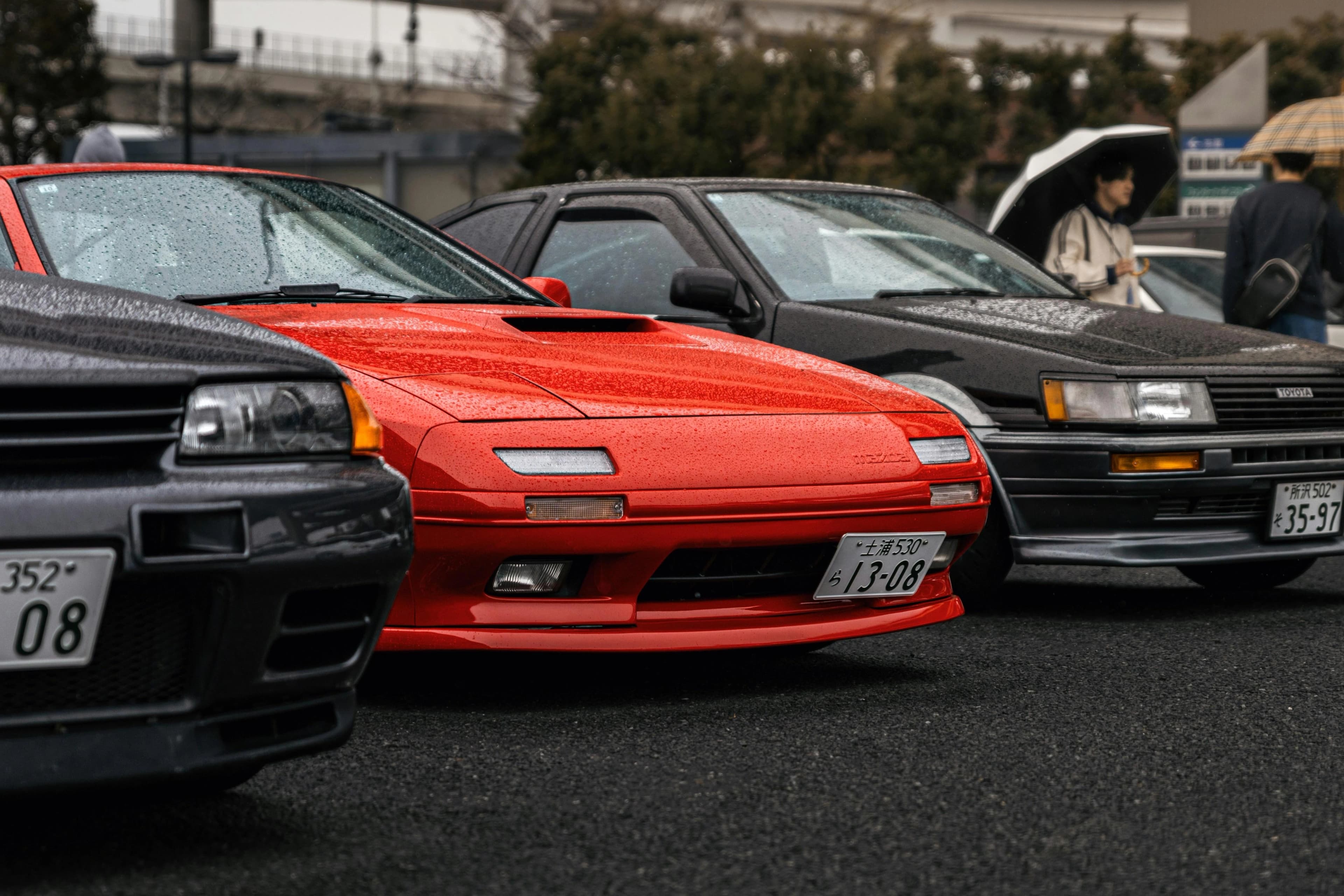
Auction houses across the peninsula recorded staggering results as pristine examples of Japanese Domestic Market legends crossed the stage. Bidders engaged in feral shouting matches over unmolested Nissan Skyline GT-Rs, ultra-clean Toyota Supras, pristine Acura NSXs, and low-mileage Mazda RX-7s. In the past, these cars were viewed by traditional classic car bluebloods as disposable tuner platforms or quirky enthusiast novelties. Today, they are treated like high-grade fine art. The market has spoken with relentless financial force, making it clear that a bone-stock Japanese legend with original paint and matching numbers commands the kind of serious money previously reserved for vintage Italian V12s.
The frenzy extended well beyond Japanese performance royalty into the golden era of mid-engine analog supercars. Late-1980s through mid-2000s exotic coupes featuring gated manual transmissions, naturally aspirated engines, and zero touchscreen distractions blew right past their pre-sale estimates. Collectors are fleeing modern hypercars stuffed with heavy hybrid batteries, complex electric motors, and synthetic exhaust notes. Instead, they are dropping eye-watering fortunes on vehicles that offer raw mechanical involvement and three physical pedals. There is a deep, desperate hunger for machines that actually require skill to drive, and buyers are willing to pay house-sized prices for that tactile experience.
This massive valuation explosion is pure demographic math. The enthusiasts who spent their teenage years staring at bedroom posters, playing video games, and watching late-night street racing movies are now in their prime earning years. For a forty-something tech executive or venture capitalist, emotional connection is not tied to a pre-war roadster that tops out at forty miles per hour. Their nostalgia is hardwired into the spool of a twin-turbo setup, the click of a metal shift gate, and the iconic rear wing of a nineties legend. Auction houses that spent decades catering exclusively to brass-era collectors are scrambling to restructure their catalogs around Rad-era icons.
Naturally, this feeding frenzy creates a minefield for enthusiasts trying to shop for iconic performance cars outside the rarefied atmosphere of elite auction houses. Finding a clean Japanese sports car or classic exotic that has not been wrapped around a telephone pole or butchered by questionable aftermarket modifications is a monumental challenge. Prospective buyers turning to market tools like OptiCar can examine nationwide inventory and review detailed vehicle history records, helping separate authentic preservation pieces from rusty project cars wearing fresh paint.
What happened in Monterey this year was not a random market anomaly or a temporary bubble. It was a permanent changing of the guard. The golden age of 1990s Japanese engineering and analog supercar design has cemented its place in the top tier of international automotive collecting. While the days of picking up a clean twin-turbo Japanese sports car for pocket change are long gone, watching these incredible machines finally receive the global respect they deserve is a bitter-sweet victory for every enthusiast who loved them from day one.