Where's My $15,000 EV? Spoiler: It's Not Coming Anytime Soon
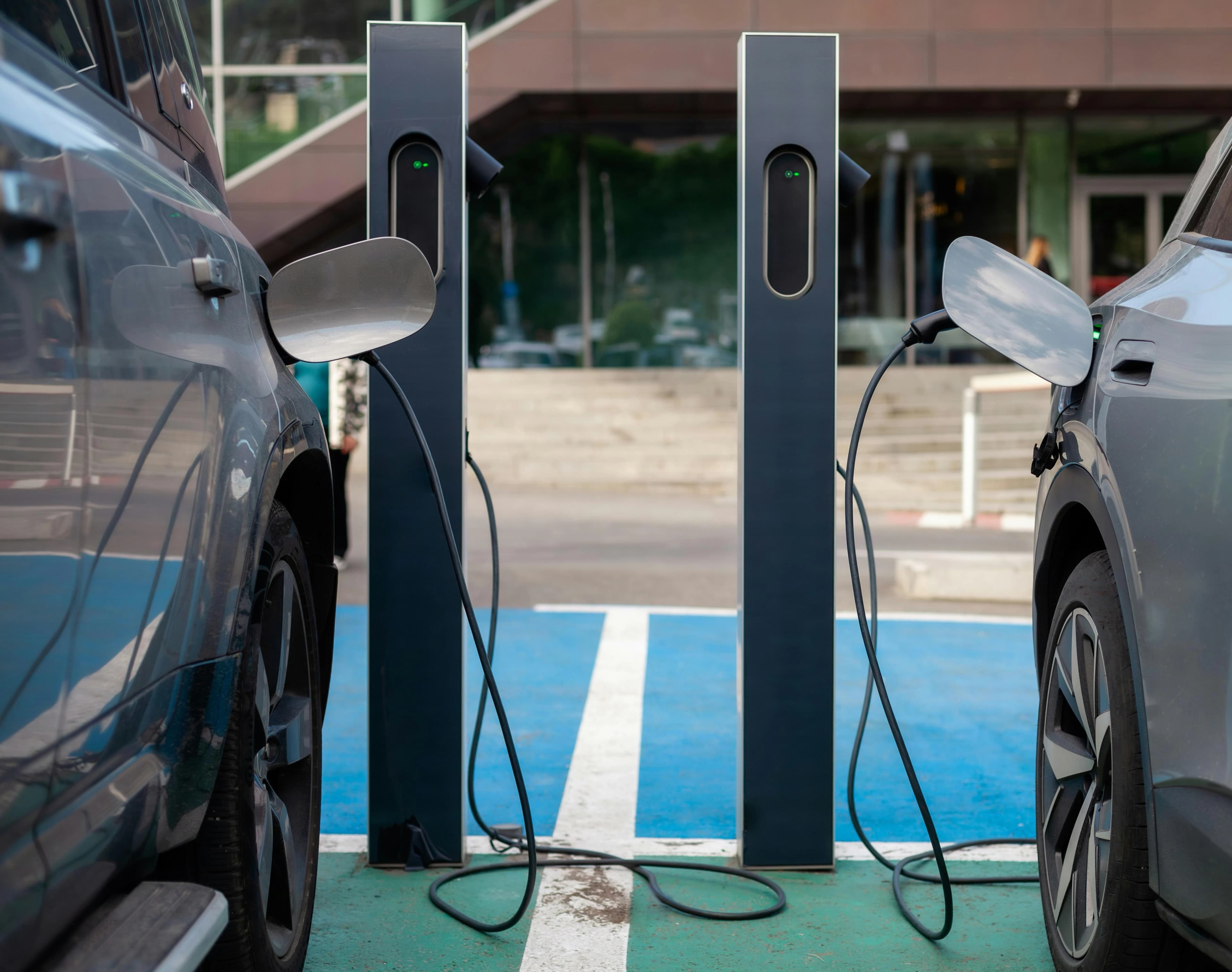
Remember when EVs were supposed to reach price parity with gas cars by 2023? Remember when we were promised affordable electric transportation for the masses? Yeah, about that. The average new EV now costs $57,245, a cool $9,100 more than the average gas car. That mythical $15,000 EV everyone keeps talking about? It's about as real as Tesla's Full Self-Driving timeline.
The cheapest new EV you can actually buy in the U.S. right now is the 2025 Nissan Leaf at $29,635. That's double the promised $15K figure, and for that money you get a car with 149 miles of range and a CHAdeMO charging port that's rapidly becoming as useful as a Betamax player. The Fiat 500e starts at $32,495 with 141 miles of range. These aren't $15K EVs. They're not even close.
What happened? Well, for starters, the federal $7,500 EV tax credit expired on September 30, 2025. That cushion that made EVs somewhat affordable? Gone. Before it disappeared, the credit's rules kept changing constantly, with battery sourcing requirements, income limits, and eligible models shifting quarterly. Nobody could plan because the goalposts never stopped moving. Now there are no goalposts at all.
The automotive industry has been dangling the carrot of cheap EVs for years while delivering nothing but excuses. Ford delayed its affordable electric truck from 2025 to 2027, then quietly pushed it to 2028. The Chevrolet Bolt was discontinued. Every time a manufacturer announces a sub-$30K EV, it either gets delayed, cancelled, or shows up with a price tag thousands higher than advertised.
Here's the reality: automakers don't actually want to sell you a $15,000 EV because there's no profit in it. They'd rather sell you a $50,000 electric crossover with every bell and whistle imaginable. That $35,000 base model you saw advertised? It's always $42,000 once you add the features that make it actually livable. The industry has trained buyers to accept that advertised starting prices are fictional.
The used EV market offers a glimmer of hope. Used EV prices have dropped faster than new car prices, with the premium over comparable gas cars shrinking to just $897 in August 2025. You can find a used Tesla Model 3 averaging $23,278, a Nissan Leaf around $12,890, or a Chevy Bolt for about $14,705. These are three-year-old EVs with 80-90% battery capacity remaining, priced like economy gas cars but with electric operating costs.
There's also a massive wave of off-lease EVs hitting the market in 2026, with over 1.1 million leased EVs reaching end of term. That flood of inventory should push used prices down even further. Buying a three-year-old EV in late 2026 might actually be smarter than waiting for new 2027 models, especially if you're comfortable with 200-250 miles of range instead of 300-plus.
Looking ahead, there are some genuinely affordable EVs on the horizon. The 2027 Chevrolet Bolt is promised at $28,995. The 2026 Nissan Leaf will allegedly remain the cheapest EV in the U.S. Tesla reportedly has a stripped-down Model Y variant targeting $30,000 for late 2025. But we've heard these promises before. The automotive industry has cried wolf on affordable EVs so many times that nobody believes them anymore.
The fundamental problem is that without federal subsidies, automakers have to compete on real prices, and EVs are still more expensive to build than gas cars. Until battery costs drop significantly or manufacturers accept lower margins, that $15,000 EV will remain a fantasy. In the meantime, we're stuck with $30,000 entry-level options that cost almost as much as a decent used car used to cost for an entire family. Progress, apparently, is expensive.