What's better in 2026: CPO or third-party warranty?

Remember when a used car purchase was a game of listening for rod knock and checking the dipstick for anything that looked like a forbidden milkshake? In the simpler times of 2015, you could take a chance on a high-mileage German sedan, find a local specialist who spoke fluent Bosch, and keep that thing running with a few hundred dollars and some patience.
Fast forward to March 2026. The dipsticks are gone, replaced by digital sensors that require a subscription to read. The rod knock has been replaced by a flickering lidar sensor that costs four thousand dollars to calibrate. Today, cars are less like mechanical machines and more like rolling server stacks with four wheels and a heated massage seat. As we dive deeper into the era of the software-defined vehicle, the question for every used car buyer has shifted from whether the engine will last to whether the software will let you in.
In this landscape, the choice between a Certified Pre-Owned (CPO) vehicle and a third-party warranty is no longer just a financial math problem. It is a question of who has the keys to the kingdom.
The 2026 Reality: Your Car is a Computer First
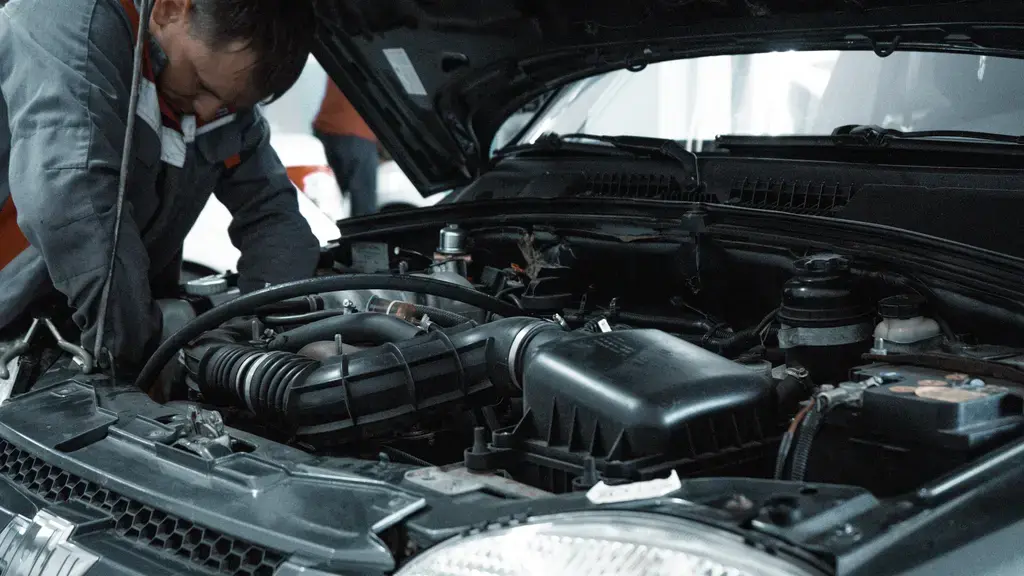
The automotive industry has officially hit the tipping point where electronic components represent nearly 40 percent of a vehicle's total cost. We are no longer talking about a radio and some power windows. We are talking about Advanced Driver Assistance Systems (ADAS) that rely on a delicate web of cameras, radar, and ultrasonic sensors. If a rogue pebble cracks your windshield today, it is not just a glass replacement; it is a high-stakes calibration event.
Traditional mechanics are facing a brutal choice: invest six figures in specialized diagnostic equipment and training or stick to changing oil and brake pads on 2018 Camrys until the business dies. For most independent shops, the complexity of 2026 tech—specifically the proprietary nature of the code—means they often have to sublet the most expensive repairs back to the dealership anyway. When your car needs a firmware handshake just to recognize a new headlight module, the guy with the toolbox down the street is effectively locked out.
The CPO Advantage: The Factory-Backed Safety Net
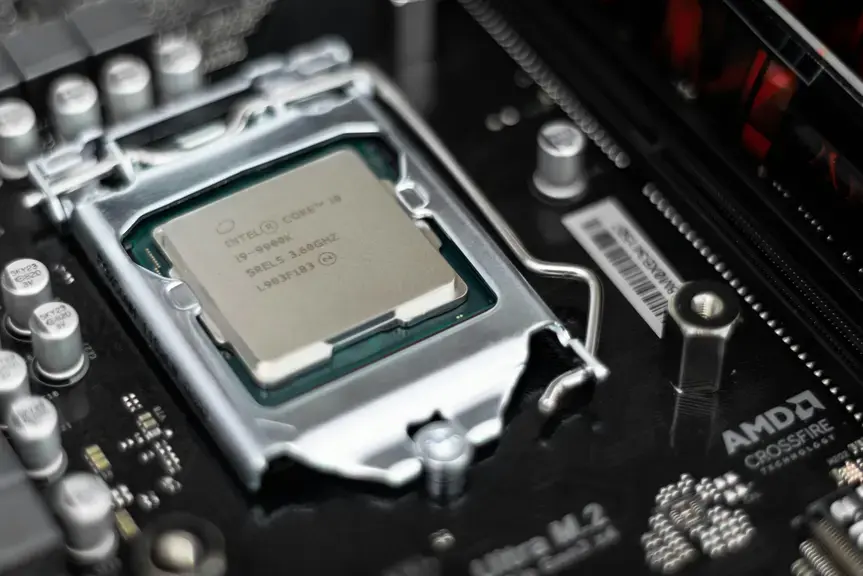
A Manufacturer CPO program is essentially the automaker saying: We looked at this thing, we updated the apps, and we promise it won’t brick itself for at least another year. While every brand has different standards, the gold standard CPO usually involves a 160-plus point inspection and a warranty that mirrors the original bumper-to-bumper coverage.
The real value of CPO in 2026 is not the free oil changes or the roadside assistance. It is the guaranteed access to the official service network. Because modern cars are so deeply integrated, a failure in the infotainment screen can actually prevent the car from charging if it is an EV, or disable the climate control and safety features in an internal combustion model. When you have a CPO warranty, you are not just buying a repair fund; you are buying a priority pass to the only people who have the software tools to actually fix the problem.
Furthermore, CPO vehicles usually have a cleaner history. To qualify for these programs, cars generally have to be under a certain age and mileage limit. In a world where parts shortages still occasionally haunt the supply chain, a CPO buyer often gets preference for loaner cars and backordered components. It is a premium experience that aims to take the anxiety out of the fact that you just bought a used laptop with a turbocharger.

The Third-Party Warranty: The Wild West of 2026
On the other side of the fence, we have the third-party vehicle service contracts. These are often sold as a way to get CPO-level protection on a non-CPO car, or to extend coverage long after the factory blessing has expired. In theory, they are great. They offer flexibility in where you take the car and can sometimes be significantly cheaper than the CPO premium.
However, the third-party world is fraught with fine print that hasn't always kept up with 2026 technology. Many of these contracts were written with mechanical failures in mind. They cover pistons, valves, and transmissions with ease. But does your contract cover a software glitch that requires a total re-flash of the Gateway Control Module? Does it cover the calibration of the blind-spot monitoring system after a minor bumper scuff?
The biggest risk with third-party providers is the authorization process. Most of these companies require a shop to call in and get approval before work starts. Dealership service advisors, who are already overworked and dealing with complex diagnostic protocols, often loathe dealing with third-party adjusters who want to haggle over labor rates or insist on using refurbished electronic modules. In the high-stakes world of 2026 vehicle tech, using a refurbished sensor is often a recipe for a recurring nightmare.
The Software-Defined Struggle
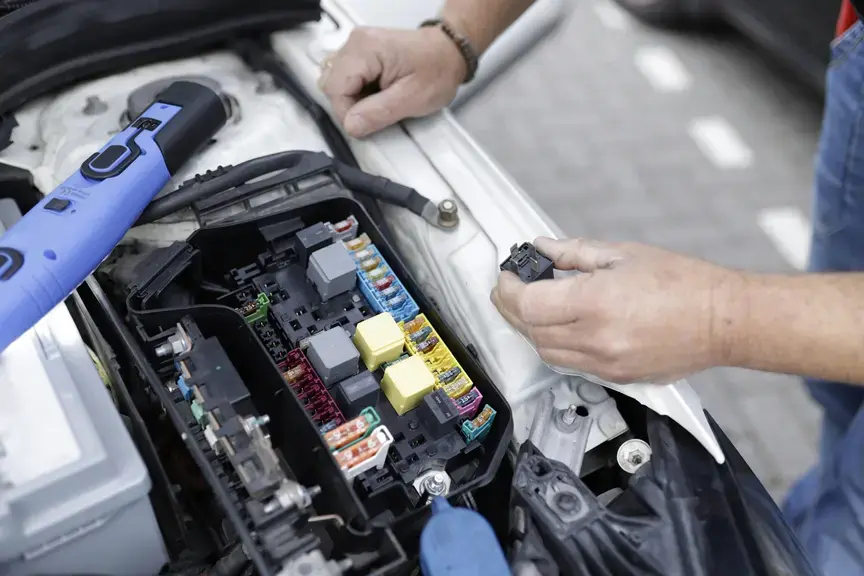
The term software-defined vehicle (SDV) sounds like marketing fluff until your car receives an over-the-air update that accidentally kills the Bluetooth and makes the adaptive cruise control think every bridge is a brick wall. In 2026, the car's architecture is centralized. Instead of fifty small computers hidden in the doors and seats, many new models use powerful central processors that manage everything from the powertrain to the TikTok app on the passenger screen.
If a central processor fails, the car is a very expensive paperweight. Repairing these systems requires a level of data security and encryption clearance that most third-party shops simply do not have. This is where the CPO backing becomes a must-have. When the manufacturer owns the warranty, they also own the responsibility to ensure their proprietary software is functioning correctly. If you are relying on an independent warranty, you might find yourself in a finger-pointing match where the warranty company claims it is a software issue (not covered) and the manufacturer claims it is a hardware failure (out of warranty).
The Price of Peace of Mind
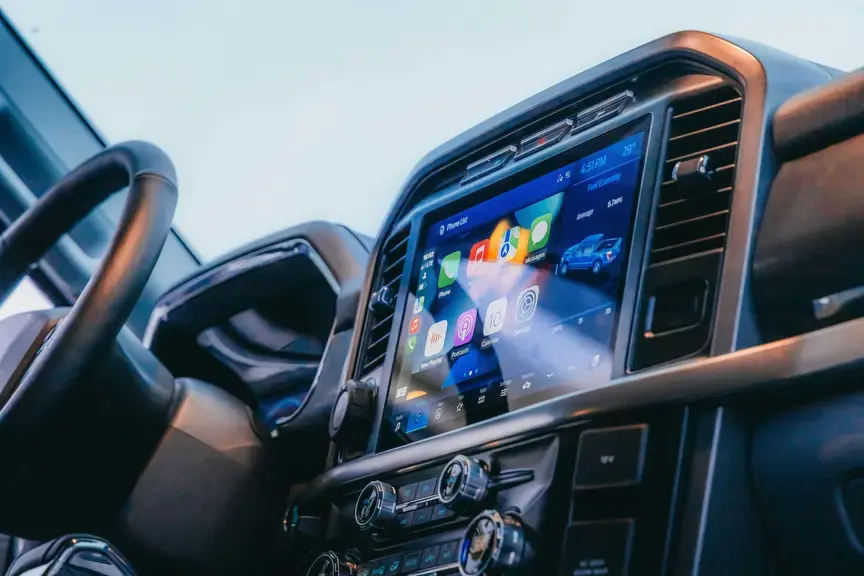
Let’s be honest about the CPO tax. You will almost certainly pay between two thousand and five thousand dollars more for a CPO car than a private-party equivalent. In the past, enthusiasts would scoff at this, arguing that they could save that money in a repair fund and come out ahead.
In 2026, that logic is getting shaky. A single major electronic failure—say, a failed drive unit in an EV or a toasted OLED dashboard—can easily exceed five thousand dollars. When you factor in the labor for diagnostic scans and the mandatory calibrations required after every major repair, the CPO premium starts to look like an insurance policy against a total financial catastrophe.
There is also the resale factor. A CPO car carries a level of prestige that helps it hold value better than a standard used car. When it comes time for you to sell, having that transferable factory backing is a massive selling point for the next buyer who is just as terrified of 2026 repair costs as you are.
Is CPO a Must-Have for 2026?
If you are buying a car that was built in the last three to four years, the answer is leaning heavily toward yes. We are living in a transitional era where the hardware is reliable, but the software is still evolving. The complexity of modern ADAS and the integration of EV powertrains have created a repair environment that favors the manufacturer.
If you are an enthusiast who loves the idea of a project car and you have a dedicated diagnostic tablet and a high-speed internet connection in your garage, you might still enjoy the thrill of the hunt without a warranty. But for the average consumer who just wants their car to work every morning and doesn’t want to spend their Saturday arguing with a service advisor about whether a lidar sensor is a wear item, the CPO route is the only logical path.
Third-party warranties still have a place for older, more mechanical vehicles. If you are buying a 2019 pickup truck with a V8 and a simple screen, a reputable third-party plan can save you a fortune. But for anything with a battery larger than a toaster or more cameras than a movie set, stick to the factory-certified stuff.

The Final Verdict
The era of the shade-tree mechanic isn’t entirely dead, but it is certainly on life support. As we navigate the tech-heavy waters of 2026, the peace of mind offered by a CPO program is becoming the new standard for used car ownership. It is better to pay the CPO tax upfront than to find yourself stranded with a car that won't start because its cloud-based authentication server thinks you are trying to hack your own steering wheel.
Buying a car in 2026 is an exercise in risk management. By choosing a factory-backed certified model, you are effectively outsourcing that risk back to the people who designed the complexity in the first place. And in a world of rolling computers, that might be the smartest upgrade you ever make.