Weissach, We Have a Problem: Why Your Porsche Might Be Ghosting You in Reverse
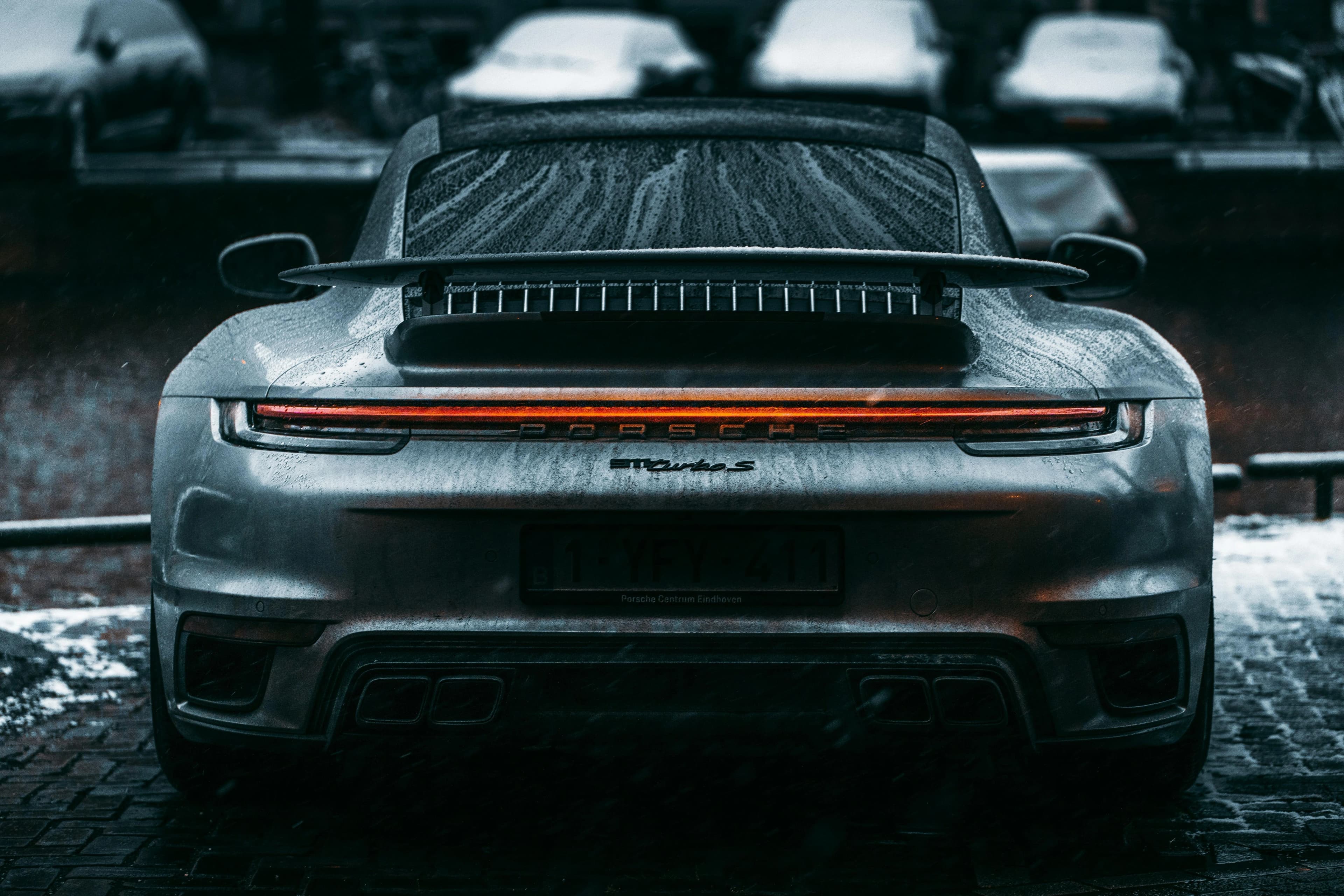
If you’ve recently slipped your Cayenne or Taycan into reverse only to be greeted by a screen that looks more like a minimalist art installation than a parking aid, you aren't alone. In a move that feels like a collective groan from the tech-heavy luxury sector, Porsche issued a recall late last month that spans a significant chunk of its U.S. lineup. The culprit? An "intermittent display failure" in the backup camera system that affects both internal combustion engines (ICE) and their electric vehicle (EV) counterparts.
Now, before anyone starts lighting torches and marching toward the dealership with pitchforks made of carbon fiber, let’s add some context. Modern vehicles are essentially rolling supercomputers, and occasionally, the code gets a little tangled. This isn't an exploding engine or a wheel falling off; it’s a software glitch that renders the rearview image invisible just when you need to avoid backing into that concrete bollard at Whole Foods. But because the backup camera has been a federally mandated safety feature in the U.S. since 2018, the National Highway Traffic Safety Administration (NHTSA) takes a dim view of them flickering out—even if it only happens occasionally.
The recall covers a broad spectrum of the current portfolio. We’re talking about the usual suspects that sell in high volumes—the Macan and Cayenne—as well as the 911 and the electric Taycan. It’s a reminder that as legacy automakers pivot to shared electronic architectures (the "brains" that run everything from your heated seats to your traction control), a bug in one system can propagate across the entire family tree, regardless of whether there’s a flat-six or a battery pack under the floor.
For owners, the situation is annoying but manageable. The fix is strictly software-based. In the old days, a recall meant a mechanic with grease under their fingernails physically swapping out a part. Today, it mostly means a technician plugging in a laptop, or in some fortunate cases, an Over-the-Air (OTA) update that resolves the issue while the car sits in your garage. Porsche has stated that notifications are going out to owners now, urging them to schedule a service appointment to patch the system.
This brings up a critical point about buying used luxury cars in this highly digitized era. When you’re shopping for a pre-owned performance vehicle, you aren't just checking for tire tread and oil leaks anymore; you’re checking for software versions. This is where tools like Price360 become indispensable. Beyond just telling you if the car has been in a fender bender, a comprehensive history check can flag open recalls like this one. If you’re eyeing a 2025 Panamera on the secondary market, knowing whether it’s had its "eyes" fixed is just as important as knowing the brake pad life.
Ultimately, this recall is a hiccup, not a heart attack. It highlights the growing pains of the software-defined vehicle era. Porsche engineers’ are likely already scrubbing the code to ensure that when you put it in 'R', the only thing you see is exactly what’s behind you—not a digital void. So, check your VIN, call your dealer, and maybe turn your head to look out the back window like it's 1999 until the patch is installed.