We Shrank The Engines, Cranked The Boost, And Now Everything Is Breaking
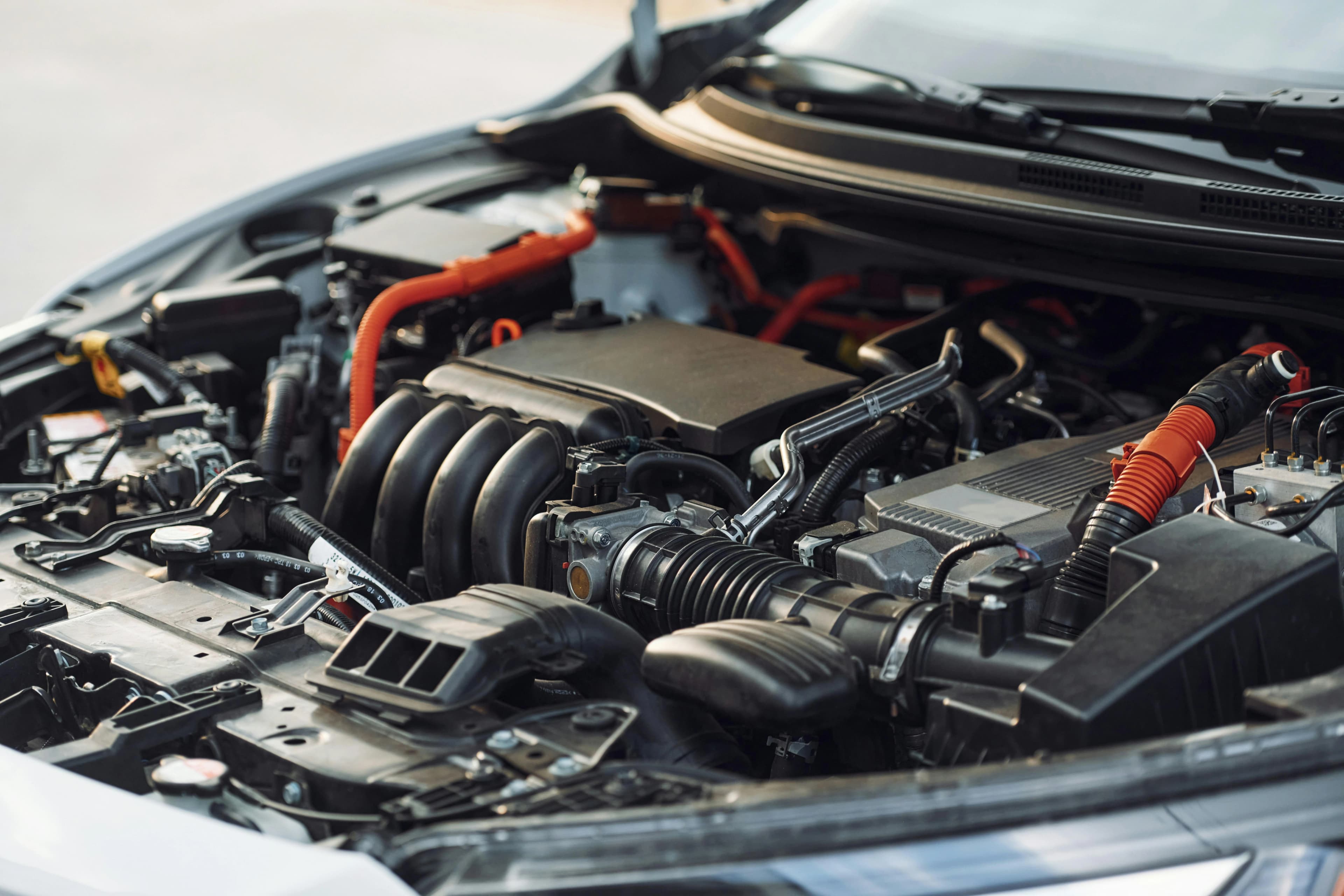
There is a distinct, rhythmic anxiety that comes with reading the latest NHTSA recall reports. It’s not the panic of a sudden brake failure, but rather the slow-burn realization that physics, much like a tired toddler, only tolerates being pushed so far before it throws a tantrum. A new industry analysis making the rounds today suggests that the modern automotive holy grail—small-displacement, turbocharged engines designed to sip fuel and hug trees—might actually be biting the hand that feeds it. And by "biting," I mean suffering catastrophic failures that leave owners stranded and manufacturers footing bills the size of a small country's GDP.
We have spent the last decade watching displacement shrink while horsepower figures climb. It’s been a marvelous engineering magic trick. A 1.5-liter three-cylinder pushing 200 horsepower? Sure. A 2.0-liter four-banger doing the work of yesterday's V6? Absolutely. But this new data argues that the relentless pressure to hit tightening emissions targets and efficiency standards is creating a pressure cooker under the hood—literally and metaphorically. The analysis points a finger at the massive campaigns we’ve seen recently from major players like Hyundai and Stellantis, specifically noting Jeep models, suggesting these aren't just isolated bad batches of metal but symptoms of a systemic strain.
The premise is simple, even if the engineering is complex. To get big power and low emissions from small engines, you need boost. Lots of it. You need direct injection operating at pressures that could cut diamonds. You need tighter tolerances and hotter operating temperatures. When you combine that high-stress environment with the extended oil change intervals that marketing departments love to tout ("See you in 10,000 miles!"), you create a recipe for premature wear. We aren't talking about engines that get tired at 200,000 miles. We are talking about connecting rods making a break for freedom before the warranty is even dry.
The analysis raises a difficult question for the consumer: what does this mean for long-term ownership? The era of the "forever car"—the simple, overbuilt machine you could hand down to your kids—feels like it is fading into the rearview mirror. If a highly strung powertrain requires a teardown at 80,000 miles, the math of buying used changes dramatically. We are looking at a market where depreciation might accelerate not because of style, but because of the looming threat of a five-figure repair bill. It turns the second-hand market into a game of hot potato, where nobody wants to be holding the keys when the turbo seals finally give up.
It is important not to paint with too broad a brush, of course. Manufacturers are doing incredible work with metallurgy and synthetic lubricants to keep these engines alive. But when you look at the sheer volume of engine-related recalls recently, it’s hard not to wonder if we have hit the point of diminishing returns. The complexity required to squeeze that last 5% of efficiency out of an internal combustion engine adds layers of failure points that simply didn't exist twenty years ago. We wanted 40 MPG and 300 horsepower, and we got it. We just didn't read the fine print about long-term durability.
This isn’t an indictment of engineers, who are doing heroic work within a regulatory box that keeps getting smaller. It is, however, a reality check for the rest of us. The cost of cleanliness and efficiency isn't just paid at the pump or the dealership; it’s paid in complexity. And complexity, historically speaking, has a nasty habit of breaking down right when you need to get to work. As we transition to electrification, these high-pressure ICE engines are the bridge technology. The worry now is that the bridge might be developing a few structural cracks just as traffic is heaviest.