Waymo’s School‑Bus Problem Just Became NHTSA’s Problem
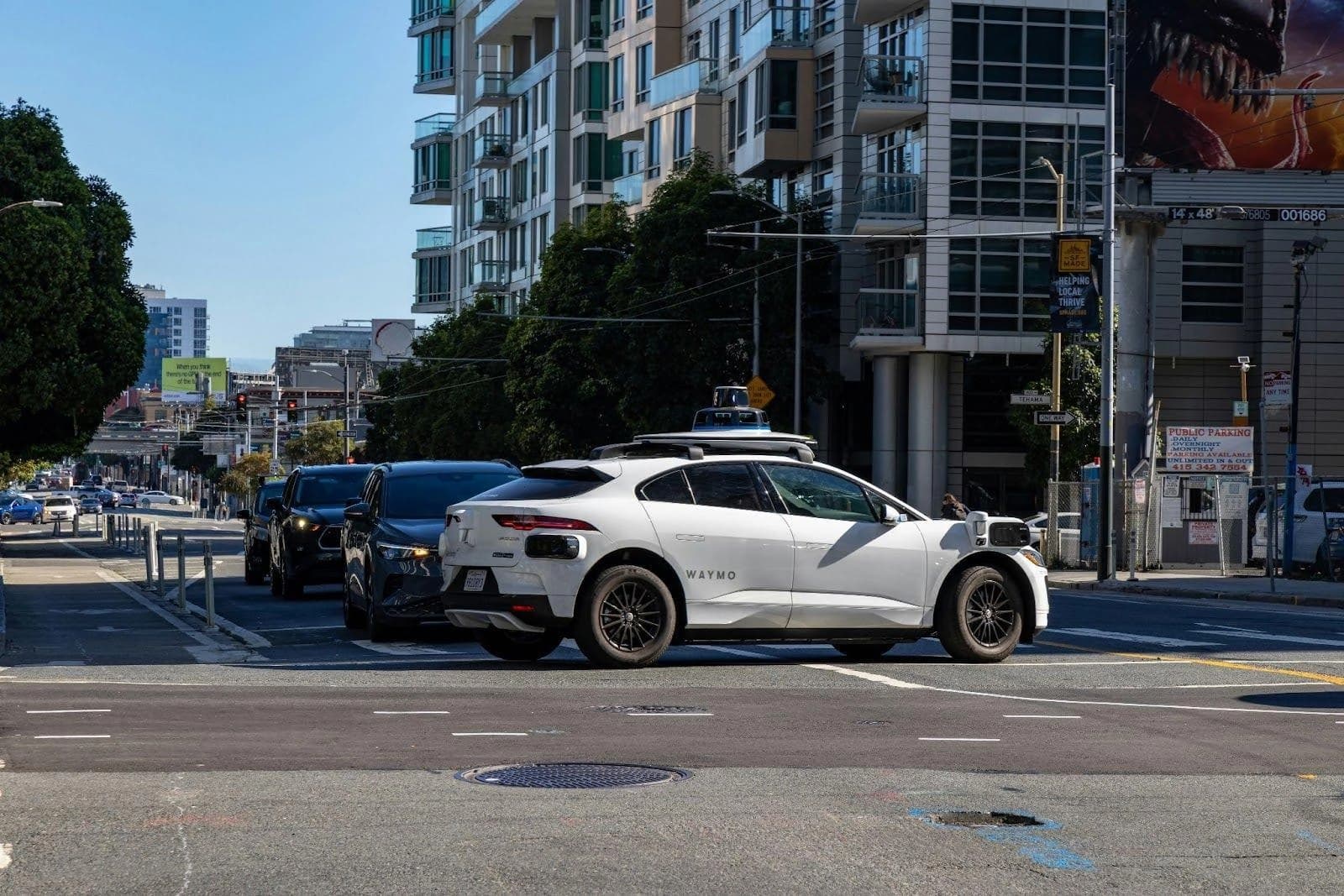
Autonomous‑vehicle companies love to say their cars never get distracted. That’s great until the vehicle allegedly fails the most basic human test: don’t pass a school bus with the stop‑arm out. On November 1, NHTSA opened a probe into Waymo after a widely shared video appeared to show a robotaxi rolling by a stopped bus in Atlanta while children were unloading. The agency wants to know exactly what the car saw, what it decided, and why.
Waymo says it’s cooperating and points to years of safety data. That’s worth considering—Waymo’s record is better than Cruise’s, and the company has generally taken a cautious approach to robotaxi rollouts. But automated driving doesn’t get the luxury of “close enough.” The whole pitch is that computers won’t make the kinds of boneheaded, catastrophic errors humans make. A school‑bus incident is a five‑alarm PR fire because every parent understands that scenario on a gut level.
The technical questions will sound familiar to anyone following autonomous driving. Did the system correctly classify the bus and detect the stop sign? How did the planner rank the risk and decide to proceed? Was there a confusing edge case in local signage, lane markings, or occluded visibility? These are solvable problems in simulation; they’re much messier when you put sensors in the rain and tell them to interpret the real world.
For regulators, this is also about trust. States and cities have been burned by premature autonomy promises and are in no mood for another “we fixed it in a patch” press release. NHTSA’s involvement all but guarantees fresh scrutiny across the entire robotaxi sector, including additional data requests and tighter operational constraints in places where school traffic patterns create obvious risks. That’s not a death sentence for autonomy—it’s a reminder that the bar keeps moving upward.
If you’re rooting for driverless tech, the right outcome is clear rules that treat robotaxis like real products, not eternal betas. That means sunlight on testing data, faster recalls when software does something unsafe, and a less cozy relationship between glossy demos and actual deployment. If Waymo clears this with a robust explanation and verifiable fixes, the industry moves forward. If not, expect more cities to show them the curb.