Waymo’s Highway Expansion Means The Robotaxi Future Is Moving Faster Than You Think
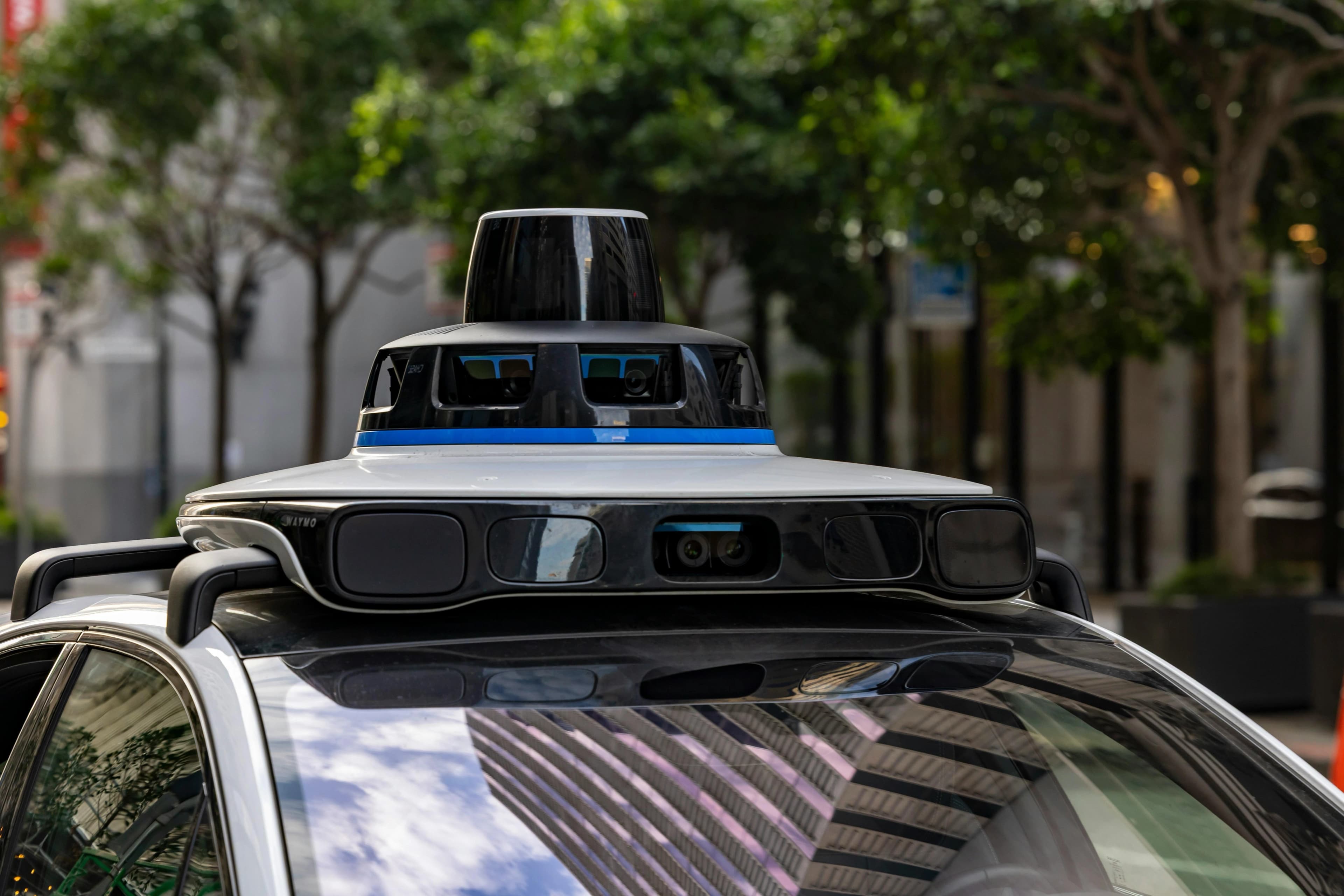
For years, autonomous driving technology was confined to specific geofenced areas of city streets, avoiding the complexities of high-speed merging and aggressive freeway behavior. That changed dramatically when Waymo announced a massive expansion of its driverless ride-hailing service, utilizing enhanced AI to operate fully autonomous vehicles on major interstate highways connecting several new metropolitan areas.
This move represents a critical hurdle cleared for the Alphabet-owned company. While navigating city traffic requires intense focus on pedestrians and traffic lights, highway driving presents a different set of challenges: higher speeds, unpredictable lane changes, and the sheer volume of truck traffic. Waymo’s ability to map these freeways and train its AI to behave naturally among human drivers is a testament to the maturation of their fifth-generation Driver technology.
The expansion is not just about technology; it is about scaling a commercial reality. Waymo has been operational in Phoenix, San Francisco, and Los Angeles, but connecting these cities via freeway routes changes the utility of the service entirely. It shifts the perception of robotaxis from convenient local transport to a viable alternative for longer-distance commuting and airport transfers. This is no longer just a science experiment; it is a business ready to scale globally, and the capital injection accompanying this announcement suggests they have the financial backing to do just that.
However, this rapid scaling is not without its risks. Federal regulators, including the NHTSA and NTSB, have been investigating past incidents where robotaxis failed to respond correctly to school buses in other markets. As the fleet expands onto highways, the margin for error shrinks significantly. The public’s trust in this technology hinges on a flawless record, making this expansion a high-stakes gamble for the company. Safety is of the utmost importance, and the company has been methodical, starting with manual testing before full deployment, showing it has learned from competitors' missteps.
For the average consumer, this means the future of transportation is closer than ever. But as we move toward a world with fewer human drivers on the road, knowing exactly what is driving you and ensuring its safety record is impeccable is paramount. As the line between commuting and being transported blurs, the focus must remain on reliability and safety, both for passengers and the other vehicles sharing the highway.
The company claims their self-driving cars are statistically safer than human drivers, and they have logged over 100 million fully autonomous miles and more than 10 million trips with their series of self-driving software. While rivals like Tesla and Uber are nipping at their heels, Waymo's new war chest allows it to move with unprecedented velocity. With 16 billion dollars in the bank, the company is focusing on maintaining industry-leading safety standards while meeting an exploding global demand.