Waymo Just Took Robotaxis to the Freeway
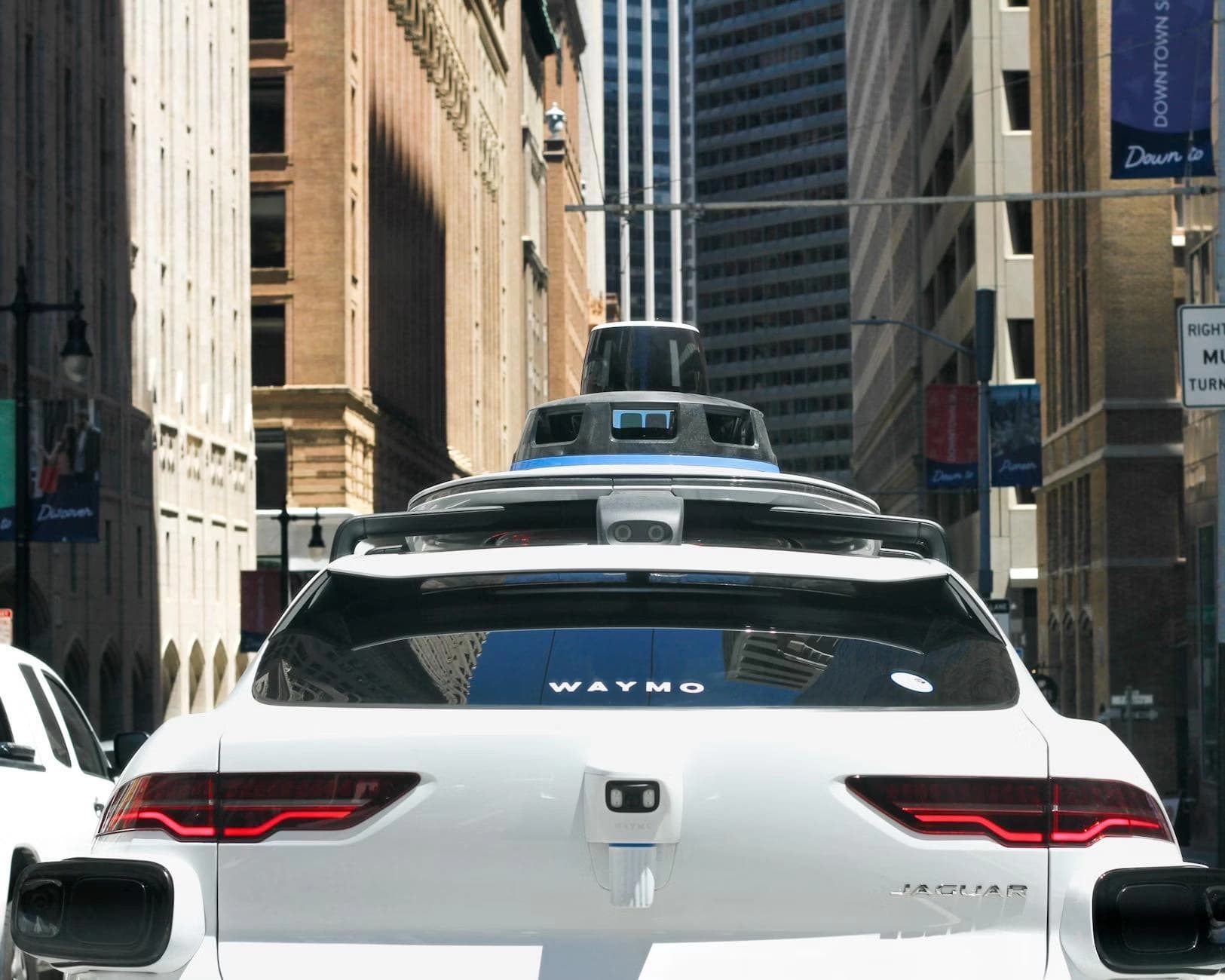
Waymo just did something that should terrify every human driver who thinks they're hot stuff on the interstate: the company started offering robotaxi rides on freeways across Los Angeles, San Francisco, and Phoenix. Yes, freeways. The same stretches of asphalt where people routinely drive like they're auditioning for Fast & Furious 27 while scrolling through TikTok.
This is huge. Not "we added Apple CarPlay" huge. This is legitimately the biggest expansion Waymo has made this year, and probably the most significant milestone in the autonomous vehicle space since these cars started picking up paying customers. After more than a decade of testing, Waymo is finally confident enough to let its robo-chauffeurs merge onto the 101 at 65 mph with your butt in the back seat.
The company says freeway access could cut ride times by up to 50 percent in sprawling metro areas like LA and Phoenix, where getting anywhere without touching a freeway is like trying to solve a Rubik's cube blindfolded. This isn't just about speed. It's about Waymo proving its technology can handle highway speeds, aggressive lane changes, and all the chaos that comes with freeway driving.
Here's what makes this more impressive than it might sound: highway driving is easy for humans but stupidly hard for autonomous systems to master at scale. Sure, the car goes straight most of the time, but when stuff goes sideways, it happens fast. You've got motorcycles splitting lanes, cars merging without looking, trucks throwing up road debris, and the occasional mattress flying across traffic. Waymo's systems have to handle all of that without a human backup plan.
The rollout isn't available to everyone immediately. Waymo is doing the smart thing and introducing freeway rides gradually to riders who opt in for early access. When the app determines a freeway route is "meaningfully faster," it'll match you with one. Over time, more riders will get access as Waymo gathers data and proves the system works.
This expansion also includes a push into San Jose, creating what Waymo calls a "unified 260-mile service area" across Silicon Valley. The cars can now pick you up at San Jose Mineta International Airport, which is the second airport to get Waymo service after Phoenix Sky Harbor. For tech workers commuting between San Francisco and San Jose, this could actually change the game.
The skeptics will point out that Waymo's been testing freeway driving for over a year with employees, conducting simulations of rare but critical scenarios like flipped cars and lane-splitting motorcyclists. They'll say the company picked the easiest possible conditions: California and Arizona, where the weather is perpetually perfect and the roads are wide and well-marked. They're not wrong to be skeptical.
But here's the thing: Waymo co-CEO Dmitri Dolgov straight-up acknowledged that freeway driving is "easy to learn, but very hard to master" for full autonomy. The company isn't claiming they've solved every problem. They're saying they've solved enough problems to start offering this service in specific conditions, which is how progress actually works in the real world.
The data Waymo has released is genuinely impressive. We're talking millions of miles logged on freeways, extensive closed-course testing, and published research showing their fleet experiences 82 percent fewer crashes with motorcyclists and 92 percent fewer crashes with pedestrians than human drivers. Of course, that research is from Waymo itself, so take it with appropriate skepticism.
This expansion comes at an interesting time for Waymo. The company is aggressively scaling up, with plans to add service in Austin, Atlanta, Miami, San Diego, and Washington D.C. They're introducing a new van to supplement their Jaguar fleet and even partnering with Toyota on putting Waymo tech into personal vehicles. The message is clear: this isn't a cute science project anymore.
Will it work? Who knows. The economics of robotaxis are still murky, and there are plenty of ways this could all fall apart. But as someone who's been stuck in LA freeway traffic behind someone doing 45 in the fast lane, I'm willing to give the robots a shot.