Washington Just Pulled The Plug On Polestar
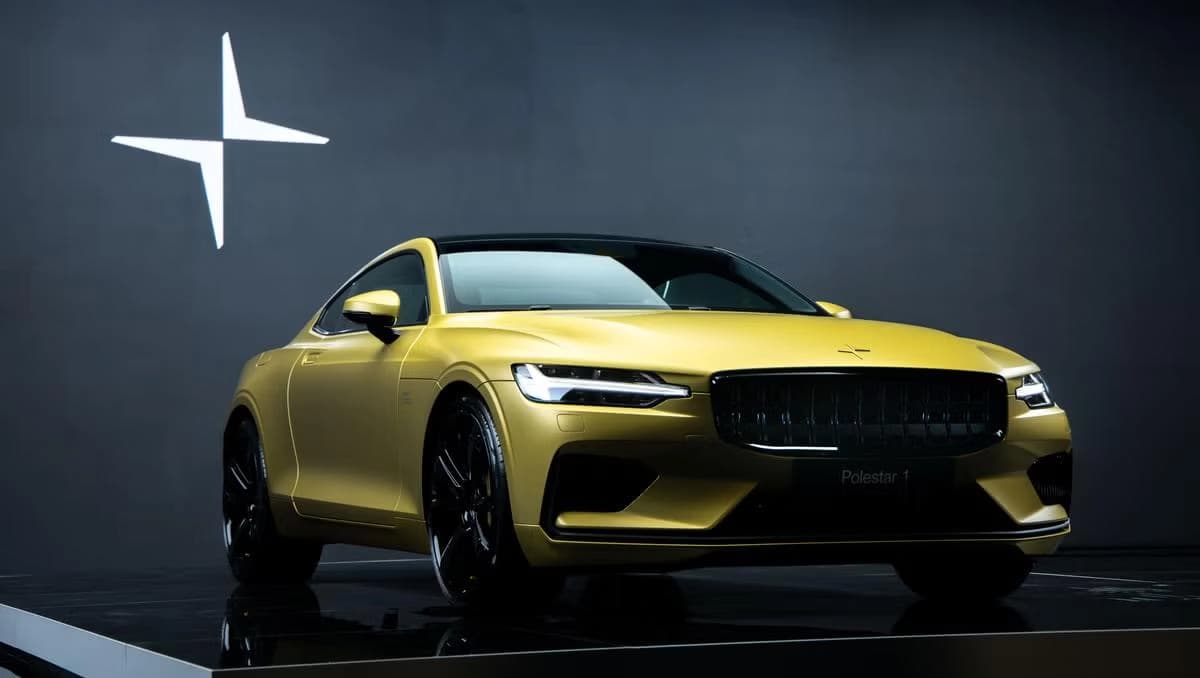
Image courtesy of Polestar
The modern car industry is a complex web of global partnerships, shared platforms, and international software architectures. Sometimes, that web gets tangled up in geopolitics, and the results can be catastrophic for a young car brand trying to find its footing. The latest and most dramatic casualty of this shifting landscape is Polestar. The Swedish electric vehicle brand has officially announced that it will cease selling new vehicles in the United States starting with the 2027 model year. This sudden exit is not due to a lack of ambition or attractive designs, but rather a firm regulatory wall. The United States Department of Commerce has officially denied Polestar authorization to sell its cars under the federal Connected Vehicle Rule, effectively locking the company out of the American new car market.
To understand how a premium brand based in Gothenburg, Sweden wound up on the wrong side of Washington, you have to look at who writes the checks and code. Polestar is majority owned by the Chinese automotive manufacturing giant Geely. Because of this corporate relationship, Polestar vehicles rely heavily on infotainment systems, digital backbones, and connected tech stacks developed or maintained by Geely in China. The Connected Vehicle Rule, which was originally drafted during the closing days of the Biden administration and is now being strictly enforced by the Trump administration, draws a hard line in the sand. It specifically bans the import or sale of vehicles equipped with connected software or hardware tied to China or Russia, citing national security concerns regarding driver data collection.
The irony is Polestar actually builds its flagship crossover, the Polestar 3, right here in America at a manufacturing plant in Ridgeville, South Carolina. The sleek Polestar 4 is assembled in South Korea to help avoid steep import tariffs. Yet under the strict guidelines of the Bureau of Industry and Security, the physical location of the assembly line matters far less than the origin of the digital software running inside the vehicle. Because the cars utilize communication tech, Bluetooth modules, Wi-Fi architectures, and satellite systems developed under the Geely umbrella, the federal government deemed them a compliance risk.
What makes the decision even more puzzling is that Polestar’s sister brand, Volvo, which is also owned by Geely and utilizes incredibly similar foundational technology, managed to secure a regulatory waiver from the Department of Commerce just last month. Volvo successfully argued its case by highlighting its distinct corporate governance and localized data security measures. For reasons the federal government has not fully detailed publicly, Polestar was not granted the same leniency.
From a financial perspective, Polestar was already facing an uphill battle in the American market. The brand has endured slower consumer spending and a broader cooling of the domestic electric vehicle segment. During the first quarter of this year, sales in the United States accounted for a meager 6% of Polestar’s global volume. By contrast, Europe serves as the primary engine for the company, making up nearly 80% of its total retail sales. Chief Executive Officer Michael Lohscheller noted that the global auto industry is rapidly entering a highly regionalized phase, and Polestar’s strategy must pivot accordingly. The company will focus its future growth and the launch of upcoming models, like the Europe-built Polestar 7, on European, Latin American, and Canadian markets where the regulatory climate is more favorable.
For current Polestar owners or those holding active leases, the brand is emphasizing that they will not be left stranded. The existing network of 32 American dealers will remain open to handle service requests, supply replacement parts, and honor all factory warranties. These locations will also spend the coming months selling down the remaining domestic inventory of 2025 and 2026 model year vehicles. Because the brand needs to clear out this remaining stock quickly, automotive bargain hunters are already noticing unprecedented factory incentives on dealer lots. If you have been eyeing one of these avant-garde electric machines, the current liquidation environment might represent a unique buying window, provided you are comfortable owning a vehicle from a departing manufacturer.