Volvo Recalls 413,000 Cars Because The Backup Camera Is Just A Black Void
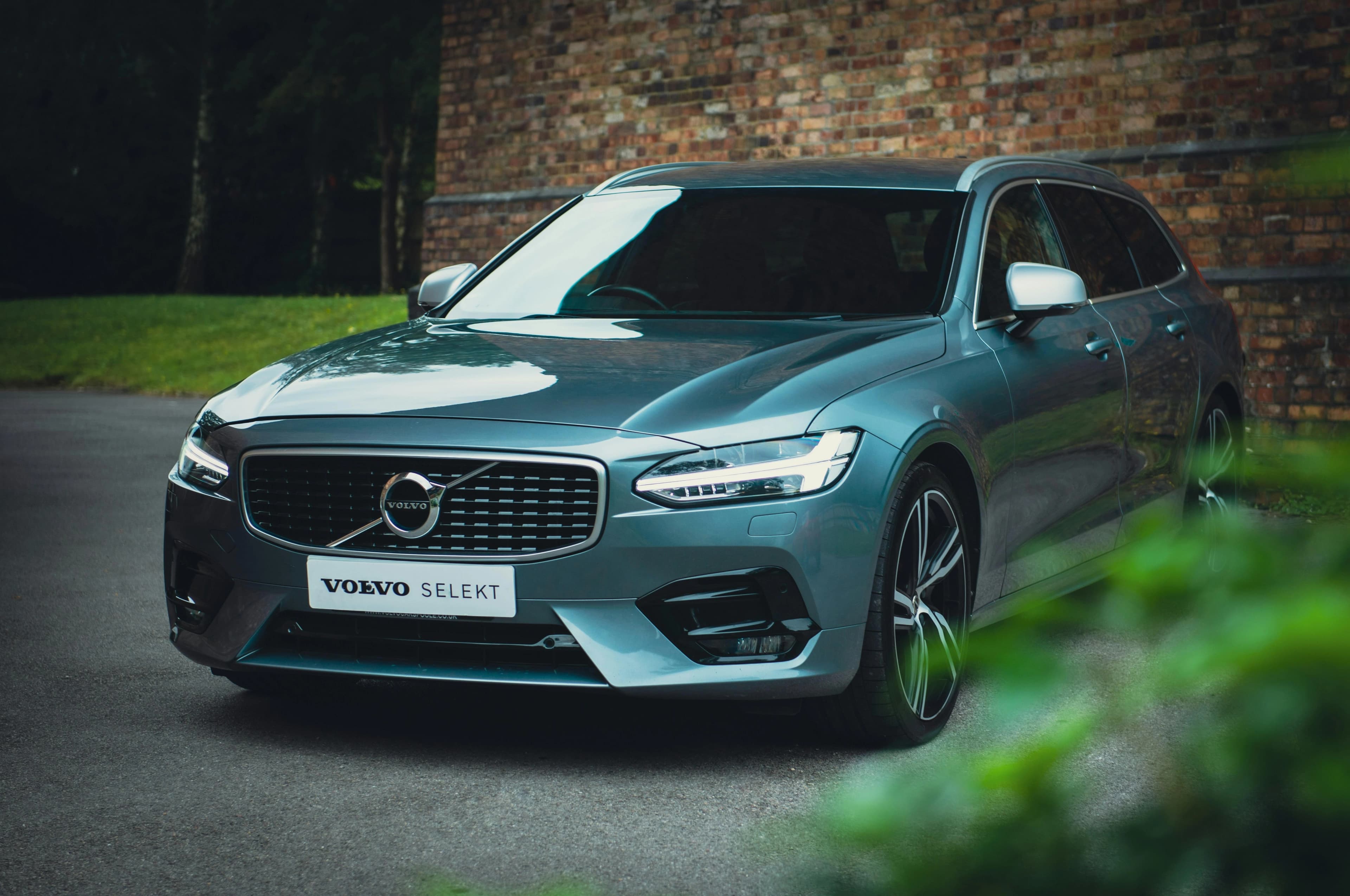
If you drive a modern Volvo, you know the routine. You get in, you admire the Scandinavian minimalism, you twist the little crystal start knob, and then you wait. You wait for the Google Built-in system to wake up, find a signal, and decide if it wants to play Spotify today. But for over 400,000 Volvo owners in the U.S., that morning ritual has taken a darker turn—quite literally.
Volvo, the brand that has spent the last century synonymous with "safety," has issued a massive recall for 413,151 vehicles spanning model years 2021 through 2025. The culprit isn’t a faulty airbag or a loose brake line; it’s the silicon brain of the car itself. According to filings with the NHTSA, the Google-based infotainment system is suffering from a software failure that prevents the backup camera feed from displaying. Instead of seeing the toddler on a tricycle behind your bumper, drivers are greeted with a black screen or a polite, terrifying little message: "Camera is temporarily unavailable."
The scope of this recall is staggering because it essentially covers the entire modern Volvo lineup. We’re talking about the XC40, S60, V60, XC60, S90, V90, and the C40 Recharge. Even the shiny new EX40 and EC40 electric crossovers aren’t immune. If it runs the Android Automotive OS (which Volvo pivoted to aggressively starting in 2021), it’s likely on the list.
It is a deeply ironic situation for Volvo. This is the company that gave away the patent for the three-point seatbelt because they believed safety was too important to monetize. Now, in 2026, their cars are arguably safer in a rollover than anything else on the road, but they can’t reliably show you what’s behind you in a Trader Joe’s parking lot because of a coding error. It highlights the growing pains of the "Software Defined Vehicle" era. We were promised cars that would get better over time, like fine wine. Instead, we got cars that age like milk, needing constant patches just to perform basic functions that a 2005 Honda Civic did with a wire and a blurry CRT screen.
The specific failure mode is a "logic error" in the booting sequence of the Central Information Module (CIM). When the car’s processor is under heavy load—say, booting up maps, connecting to 5G, and indexing your contacts all at once—it deprioritizes the camera feed. In the hierarchy of digital needs, the car apparently thinks loading the Google Assistant logo is more critical than letting you see the concrete pillar behind you.
Fortunately, this is 2026, so you don’t necessarily have to drink terrible dealership coffee to get this fixed. Volvo is rolling out the remedy via an Over-the-Air (OTA) update, pushing software version 3.5.14 to affected cars starting later this month. However, for those of you looking to buy a used Volvo right now, this adds a layer of homework.
The broader implication here is the fragility of our tech-heavy cabins. Automakers have been racing to turn dashboards into iPads, removing physical buttons and hard-wired connections in favor of centralized computing. It saves weight and manufacturing complexity, sure. But when that central brain has a hiccup, you lose critical safety systems. Volvo is taking the heat today, but they aren't alone. This is an industry-wide headache that is only going to get worse as cars become more code than steel. Until the update hits your car, maybe do it the old-fashioned way: crane your neck, look over your shoulder, and pray.