Volvo ES90 Debut: The Swedish Flagship that Thinks It Is a Supercomputer
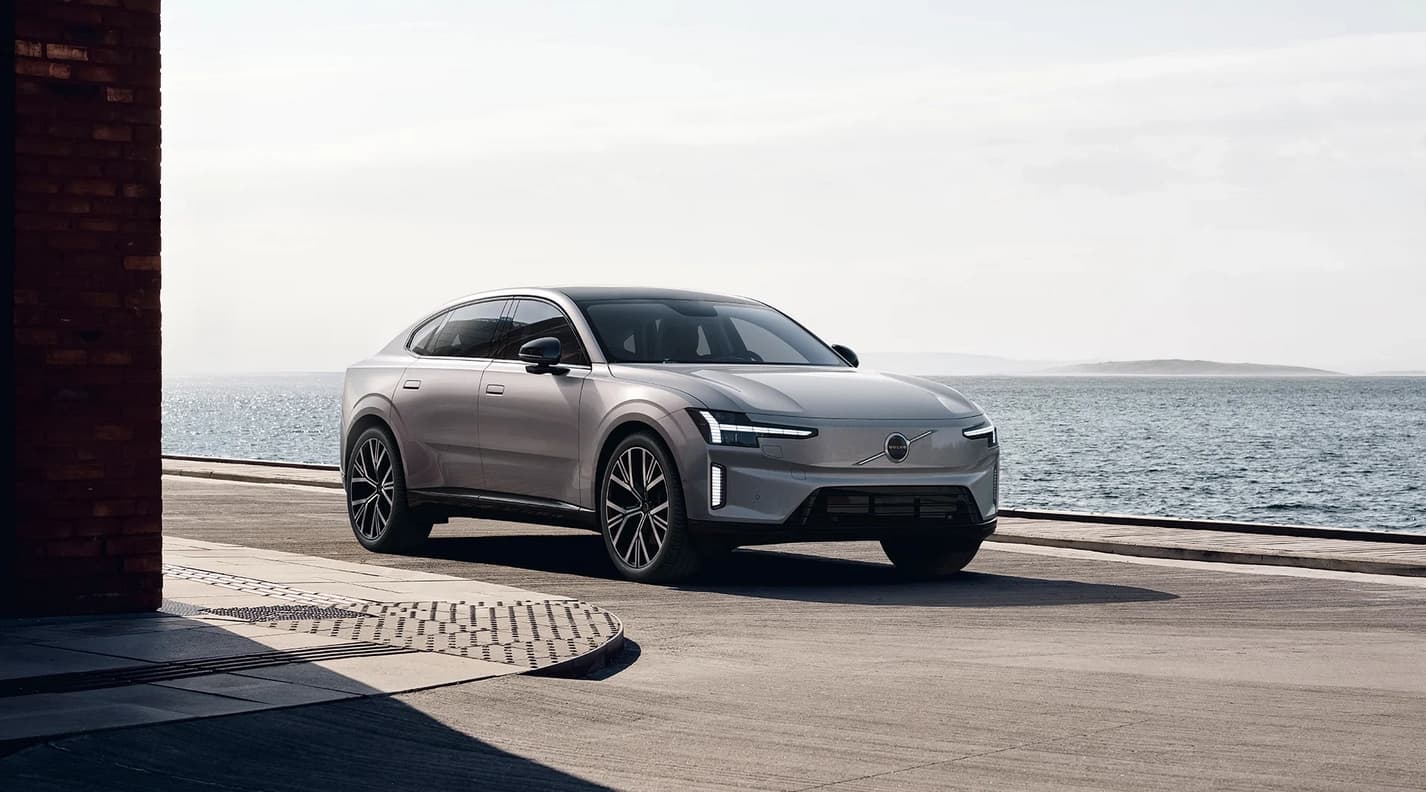
Image courtesy of Volvo
Volvo has spent the better part of the last decade convincing the world that they are a crossover company that just happens to sell a few sedans on the side. But today, the Swedish automaker reminded everyone that they still know how to build a proper flagship four-door. The 2026 Volvo ES90 has officially broken cover, and it is a fascinating piece of industrial design that looks like it was carved out of a single block of high-end Icelandic glacier water. It is sleek, it is minimal, and it is arguably the most important car Volvo has launched since the original XC90 saved the company from certain doom.
The big story here is not just the range, though with a 111 kilowatt hour battery pack and an estimated 430 miles of range under the WLTP cycle, it is certainly competitive. The real headline is what is happening under the skin. Volvo has packed this car with dual NVIDIA DRIVE Orin system on a chip setups, giving the ES90 more computing power than some small research laboratories. This is all part of Volvo’s push toward a software defined vehicle future. The car is designed to learn, adapt, and eventually handle most of the driving duties on the highway through its advanced LiDAR based safety suite provided by Luminar. The computer can perform over 500 trillion operations per second, which is a number so large it essentially loses all meaning to the human brain.
Visually, the ES90 is a masterclass in restraint. It ditches the traditional grille for a smooth, shielded face that incorporates a digital version of the Thor’s Hammer headlights. The silhouette is classic executive sedan but with a slightly raised beltline that suggests a bit of that Swedish ruggedness we have come to expect. It manages a drag coefficient of just 0.25, meaning it slices through the air with the efficiency of a hot knife through goat cheese. Inside, the cabin is a shrine to Scandinavian sustainability. You will find recycled PET bottles, pine oil resins, and something Volvo calls Nordico, which is a leather alternative that actually feels like it belongs in a six-figure car rather than a high-end yoga mat. The 14.5 inch center screen is the command center for everything, powered by a Google built in system that actually responds when you talk to it.
For those who care about more than just pixels and sustainable fabrics, the performance specs are surprisingly stout. The range-topping Twin Motor Performance variant delivers 670 horsepower and can rocket from a standstill to sixty miles per hour in just 3.9 seconds. This is all built on the same SPA2 architecture that underpins the EX90, but it feels more focused here. The 800 volt architecture is a first for Volvo, allowing for lightning fast charging that can add 186 miles of range in just ten minutes. It is the kind of practical engineering that makes the transition to electric life feel less like a chore and more like a logical upgrade.
The challenge for Volvo is the market itself. The luxury sedan segment is currently a bloodbath, with the BMW i5 and Mercedes-Benz EQE already firmly entrenched. Volvo is betting that there is a subset of buyers who are tired of the aggressive, light up grille aesthetic of the German brands and want something that feels more like a mobile Scandinavian living room. It is a bold move, especially as the world remains obsessed with SUVs. But for those of us who still believe that a low center of gravity and a trunk are superior to a high seating position and a liftgate, the ES90 is a breath of fresh air.
If you are currently in the market for a high end EV but are worried about how these complex software defined vehicles hold up over time, OptiCar is here to help. Our marketplace allows you to compare millions of vehicles across the country, ensuring you find the right tech-heavy flagship without the headache of visiting twenty different dealerships.
The ES90 is expected to hit North American shores by late 2026. While pricing has not been finalized, industry insiders expect it to start somewhere in the 75,000 range. For a car that doubles as a supercomputer and a luxury lounge, that might actually be the bargain of the decade. We will have to wait and see if the software lives up to the hardware, but for now, Volvo has our undivided attention. It represents a pivot back to the sedan that many thought was impossible, proving that there is still a place for elegance in an era of boxy utility vehicles.