V-8 Forever: Dodge Doubles Down On High-Output Muscle SUVs
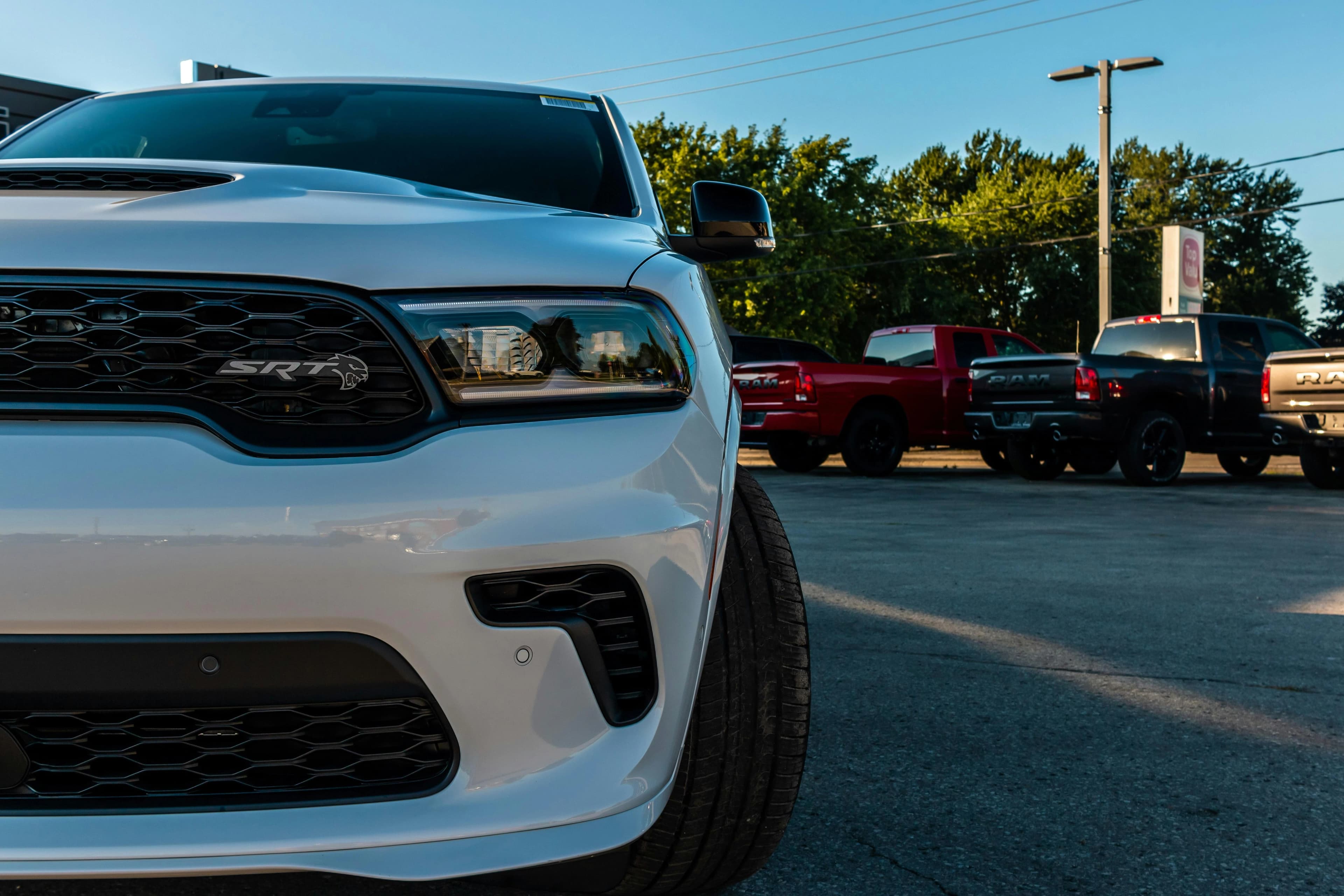
In an automotive landscape increasingly dominated by silent electric crossovers, direct-injected turbo-fours, and synthetic fake engine noises pumped through stereo speakers, Dodge remains entirely unrepentant. While nearly every major global manufacturer has spent the last few years publicly pledging allegiance to battery-electric futures and carbon-neutral fleet goals, Dodge and its parent company Stellantis have chosen a decidedly louder path. Defying industry trends, shifting emissions regulations, and corporate downsizing trends, the brand is doubling down on high-output combustion power by extending production of its full-size V-8 performance SUVs. While executives at rival automakers crunch numbers over corporate average fuel economy math, Dodge is keeping the heavy-metal thunder alive for drivers who still measure family transportation in supercharger whine and tire smoke.
The undisputed flagship of this persistent combustion push is the Dodge Durango, a full-size three-row SUV that continues to offer big-displacement HEMI V-8 power plants in a segment where almost everyone else has retreated to turbocharged six-cylinders or hybrid setups. From the rumbling 5.7-liter R/T models to the unhinged 710-horsepower supercharged 6.2-liter Durango SRT Hellcat, Dodge has transformed a practical family vehicle into a genuine drag-strip menace. Industry analysts previously expected Stellantis to rapidly sunset these high-displacement bent-eights in favor of its modern, highly efficient 3.0-liter twin-turbocharged Hurricane inline-six engine family. But while the Hurricane six is undeniably a technical marvel with impressive power output, Dodge leadership clearly recognized an undeniable truth about its core customer base: nobody buys a three-row muscle SUV because they want a whisper-quiet, direct-injected six-cylinder. They buy it because they want to wake up the entire neighborhood every time they press the starter button.
From a financial perspective, Dodge's stubborn refusal to abandon the V-8 is actually a brilliant balance sheet maneuver. Developing brand-new electric vehicle platforms and modular battery architectures requires tens of billions of dollars in upfront capital investments, all while leaving automakers exposed to fluctuating consumer EV adoption rates. In contrast, leveraging mature, long-proven V-8 engine production tooling allows Stellantis to generate immense profit margins on every high-spec Durango that rolls off the assembly line. Enthusiasts and family haulers alike are routinely eager to spend anywhere from $60,000 to well over six figures for a fully loaded V-8 SUV, producing a steady stream of high-margin cash flow that helps bankroll the corporate transition toward future electrified technologies behind the scenes.
For car shoppers navigating the current market, finding one of these high-powered three-row monsters, either brand new off the dealer lot or as a late-model pre-owned vehicle, requires some careful homework. Because these performance SUVs invite aggressive driving and heavy towing, used car buyers need to be extra vigilant when evaluating used inventory. Tools like OptiCar Reports can prove invaluable here, providing comprehensive vehicle history data and AI-powered visual damage inspections so prospective buyers can check for hidden body damage and prior accidents before committing six figures to a used Hellcat.
Navigating environmental regulations while continuing to market supercharged V-8s is admittedly no easy feat for Stellantis. To keep these high-emission performance models on sale, the company relies on a combination of fleet fuel efficiency balancing, regulatory compliance credits, and targeted production caps. Rather than viewing emissions penalties as an insurmountable roadblock, Stellantis essentially treats them as an acceptable cost of doing business to satisfy a passionate, high-margin customer niche that shows zero interest in quiet electric commuters.
Whether this extended V-8 production run represents the final glorious hurrah of traditional American muscle or a pragmatic business strategy that will linger longer than critics expect, one thing is certain: Dodge has no intention of quietly slipping into an electrified future. While other brands attempt to convince car buyers that simulated exhaust sounds and battery-electric launch control are just as exciting as mechanical horsepower, Dodge is going out the only way it knows how: burning rubber, making noise, and leaving a cloud of tire smoke in its wake.