Used EVs Are Flying Off Lots While New EVs Sit Around Looking Expensive
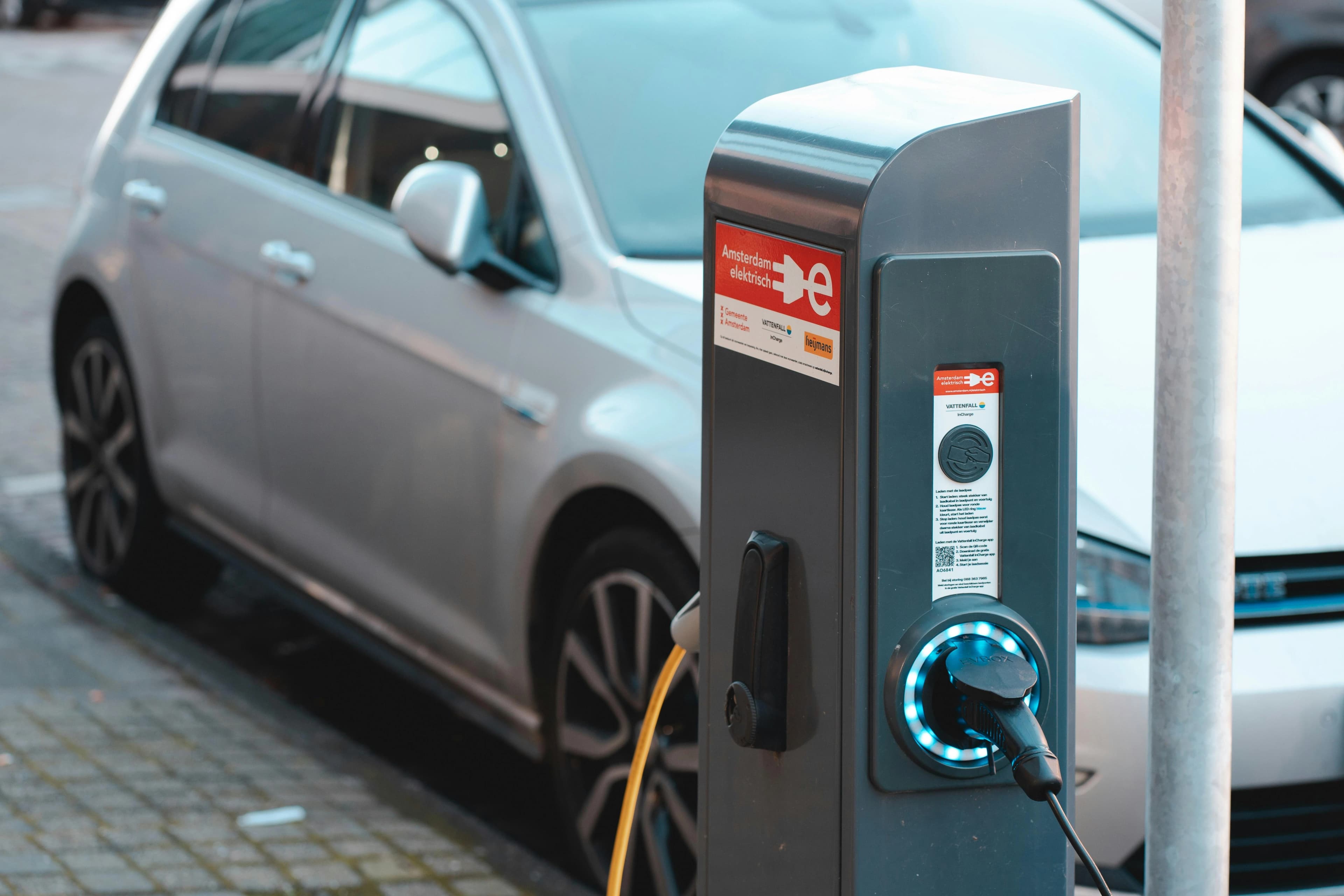
For the past couple of years, mainstream auto analysts have been busy writing obituaries for the electric vehicle revolution, pointing to cooling demand and a collective shrug from buyers not ready to commit to public charging. But if you walk away from the glittering showrooms of new car dealerships and wander over to the used car lot, you will find a completely different story. The pre-owned electric vehicle market is currently on fire.
Instead of paying massive premiums for brand new models, smart car buyers are hunting for bargains in the secondhand market. Used electric vehicle sales have nearly tripled since the early months of 2023. The experts at Cox Automotive forecast approximately 128,000 used electric vehicle sales for the second quarter of 2026. This represents a massive 28 percent leap from the first quarter, as well as a similar jump compared to the same period last year.
The driving force behind this sudden surge is simple: economics. Average listing prices for pre-owned electric cars have plunged by about 40 percent from their historic highs. Today, the average used electric vehicle lists for right around 37,000 dollars. This massive price correction is finally bringing electric motoring within reach of normal household budgets.
Additionally, a massive wave of off-lease electric vehicles is hitting the market. A few years ago, the federal government offered lucrative 7,500 dollar tax credits that prompted a leasing frenzy. Those three-year leases are now expiring, sending a flood of clean, relatively new electric cars back to dealerships. Experian expects these returned vehicles to make up 15 percent of all off-lease inventory by the end of 2026, which is a major jump from under eight percent at the start of the year.
This sudden influx of inventory has opened up the market beyond a single dominant brand. While Tesla used to be the only game in town, buyers can now choose from a wide variety of manufacturers. This diversification is a huge win for consumers who want electric efficiency but prefer the styling, physical buttons, or dealership networks of traditional automakers.
This booming demand for used models stands in stark contrast to the sluggish sales of brand new electric cars. New electric vehicle demand has cooled significantly, with second-quarter sales in 2026 projected to reach around 244,000 units, representing a 22 percent decline compared to the previous year. Instead of buying new battery-electric models, many new-car shoppers are flocking to hybrids. Hybrid market share reached a record of 14.1 percent in the first quarter of 2026, showing that plenty of motorists still prefer a gas engine backup to ease their charging anxiety.
Yet for those willing to go fully electric, the used market is proving irresistible. This is especially true because regular gasoline prices in the United States have surged by about 30 percent due to ongoing geopolitical tensions. When gas gets expensive, electric power looks incredibly attractive. As a result, the inventory supply of used electric vehicles has tightened to just 31 days. For comparison, traditional gasoline cars are sitting on lots for an average of 42 days before finding a buyer.
To add a bit of regulatory comedy, new electric vehicles are facing an artificial hurdle in 2026. The Department of Energy recently adjusted its calculations for the Petroleum Equivalency Factor, slashing the equivalent fuel economy rating of battery-electric vehicles by 72 percent.
This means that starting with the 2026 model year, the official miles-per-gallon equivalent, or MPGe, stamped on the window sticker of a shiny new plug-in vehicle will look significantly less impressive on paper. Despite the fact that nothing has physically altered under the hood, and the batteries are just as capable as they were yesterday, the cars will suddenly seem less efficient to anyone reading the window stickers. This bureaucratic trick is intended to nudge manufacturers toward pushing efficiency limits even further, but it has the side effect of making used electric cars look like an absolute steal by comparison.
After all, a pre-owned electric vehicle from a couple of model years back still boasts its original, loftier MPGe ratings on paper. Buyers looking at the window stickers of new models might be left scratching their heads, wondering why a brand new vehicle appears to be less efficient than an older, cheaper, second-hand equivalent. For savvy shoppers, this paperwork fluke is just one more reason to skip the new dealership showroom entirely and head straight for the pre-owned lot.
Whether you are looking to dodge the rising cost of gasoline or simply trying to get the most range for your hard-earned buck, the secondhand electric market is no longer a niche corner for tech enthusiasts. It has transitioned into a highly competitive, fast-moving space where cars rarely sit long enough to gather dust. For the budget-conscious motorist, the used lot has officially become the smartest place to go electric.