Used EVs Are Finally Behaving Like Normal Used Cars (And That’s Good News)
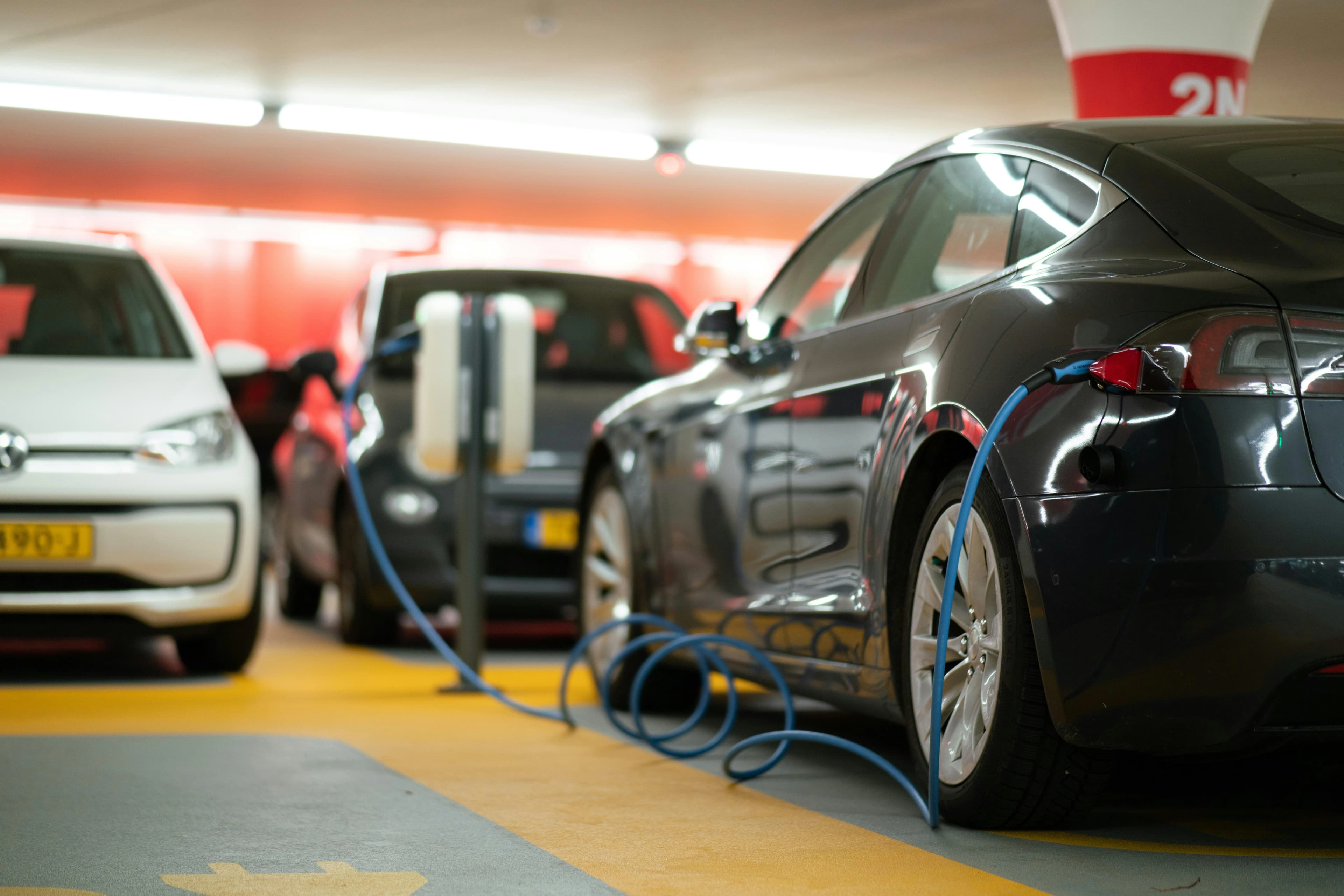
If you rewind the clock about two years, the used electric vehicle market was the Wild West. Prices were erratic, dealers were terrified of battery health degradation, and consumers were paralyzed by the fear that buying a used EV meant buying a rolling brick. Fast forward to November 2025, and the script has flipped so completely it’s almost comical.
The federal EV tax credits that prop up new car sales have largely evaporated or become so restrictive that many models no longer qualify. Predictably, this has cooled the new EV market. But in a twist of irony that only the car market could produce, the used EV sector has become the industry's surprise "bright spot."
Here is what is happening: Depreciation has done its job. The early adopters paid the premium, and the second-hand market is now reaping the benefits. Used EVs have finally hit a pricing floor that makes genuine financial sense for the average commuter, independent of government handouts. Lower prices, combined with significantly higher inventory levels as leases mature, have created a buyer’s market that is actually moving metal.
We are seeing data indicating that "days-to-turn"—the metric dealers use to measure how long a car sits on the lot—is shrinking rapidly for used EVs. Dealers who wouldn't touch a used electric car with a ten-foot charging cable in 2023 are now actively sourcing them at auctions. Why? Because they are behaving like normal used cars.
This normalization is critical. For years, EVs were treated as tech products rather than automobiles. They were spec-sheet comparisons of range and kilowatt-hours. But now, at the used level, they are being cross-shopped as simply "cars." A consumer looking for a $25,000 commuter sedan is looking at a used gas-powered Civic and a used Tesla Model 3 or Chevy Bolt, and realizing that the EV is often the better value proposition when you factor in running costs and the fact that the depreciation curve has flattened out.
The "affordability" crisis in the new car market is fueling this. With new EVs still commanding a premium, the used market is the only entry point for millions of Americans who want to go electric but cannot justify a $50,000 loan at 7% interest. The used market offers the utility of electrification without the early-adopter tax.
Furthermore, the battery anxiety that plagued the industry hasn't really materialized into a catastrophe. We now have enough data to show that modern thermal management systems do a pretty good job of keeping batteries viable well past the 100,000-mile mark. Dealers are getting better at diagnosing and certifying battery health, which removes the biggest psychological barrier for used buyers.
It is fascinating to watch the dealers pivot. Two years ago, they were complaining that they didn't want to invest in EV infrastructure for their service departments. Now, they are finding that a steady stream of used EV sales provides a nice, predictable revenue churn. The maintenance is lower, sure, but the volume is picking up to compensate.
There is also a geopolitical angle here. As new EV manufacturing gets tangled in tariffs and supply chain localization requirements to meet whatever scraps of incentives remain, the used market is immune to that drama. A 2022 EV already exists. It’s here. It doesn't care about battery mineral sourcing regulations or trade wars. It just needs a driver.
This is the healthy correction the EV market needed. We couldn't rely on subsidies forever. Eventually, the product had to stand on its own two feet (or four wheels) in the brutal arena of the used car lot. And it looks like, finally, it is holding its ground.