U.S. Automakers Declare 'Clear and Present Threat' From Chinese EVs
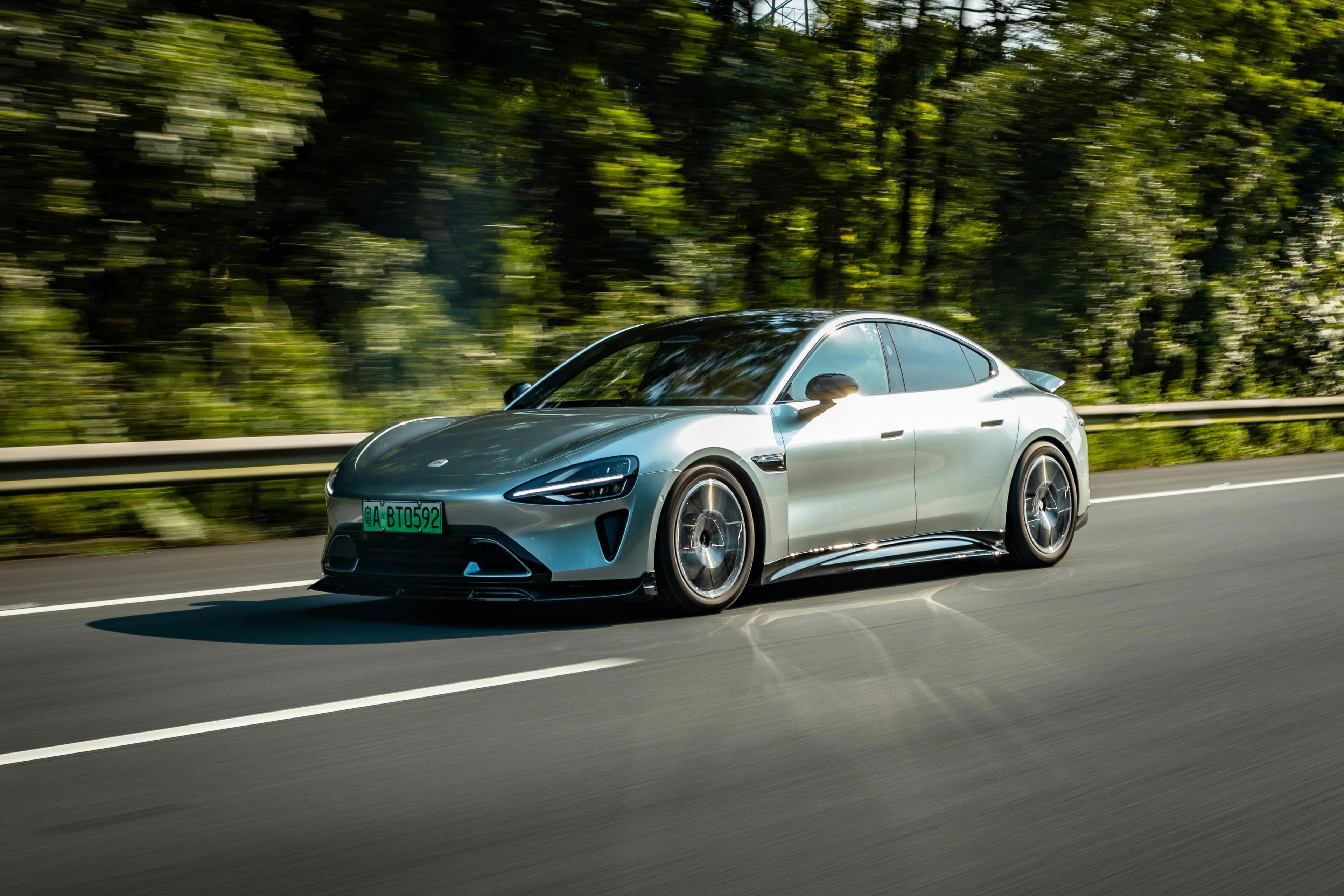
Usually, when the Alliance for Automotive Innovation (which represents heavy hitters like GM, Ford, Toyota, and Stellantis) releases a statement, it is a dry, carefully worded PDF about emissions credits or safety regulations. It’s the kind of thing you read if you need help falling asleep. Not today. Today, they chose violence. Or, at the very least, extreme urgency.
In a statement released this morning, the Alliance warned of a "clear and present threat" to the U.S. auto industry posed by Chinese EV manufacturers. This isn't just grumbling about competition; this is a unified distress flare from the legacy automakers. They are arguing that heavily subsidized Chinese companies, if allowed unrestricted access to the American market, could undercut U.S. pricing so dramatically that it would essentially break the domestic industry.
The core of the argument touches on economics, technology, and national strategy. Automakers are pointing to the massive state-backed scaling occurring in China, which allows for component costs—specifically batteries—that Western manufacturers simply cannot match right now. There is also the lingering, complex issue of software and data security, with concerns that connected cars are essentially data vacuums on wheels, potentially sending information back to servers in Beijing.
This discussion is dominating the news cycle because it strips away the polite veneer of "global free trade" and gets down to the brass tacks of survival. We aren't talking about politics here; we are talking about the math of building a car. If a Chinese manufacturer can sell a comparable EV for $20,000 less than a Ford or Chevy (like the BYD Seagull, which sells for peanuts in other markets), the market dynamics collapse. You can't brand-loyalty your way out of a $20k price gap.
The "threat" terminology is significant. It signals that U.S. automakers are done pretending they can simply "innovate their way out" of this gap in the short term. They are admitting they are vulnerable. They are calling for continued scrutiny of import pathways—specifically looking at Chinese-linked factories in places like Mexico that might try to bypass tariffs via the USMCA trade agreement (the "Mexico Backdoor").
For the consumer, this is a double-edged sword. On one hand, everyone wants cheaper EVs. Affordability is the #1 barrier to EV adoption right now. If China can build them, why shouldn't we buy them? Why should the American consumer subsidize Detroit's inability to lower costs? On the other hand, the automotive industry is a massive pillar of the U.S. economy. Letting it be hollowed out by state-subsidized competitors is a recipe for long-term economic pain and job losses.
We are watching a high-stakes game of poker where the chips are factories and jobs. The legacy automakers have shown their hand today: They are worried. They are seeing what is happening in Europe, where Chinese brands are gaining a foothold, and they are terrified. They want Washington to know that the storm isn't just coming—it’s already making landfall globally, and they want the levies reinforced before it hits Detroit.