Uber’s $3 Million Bet: The High-Stakes War Over Your Insurance Bill
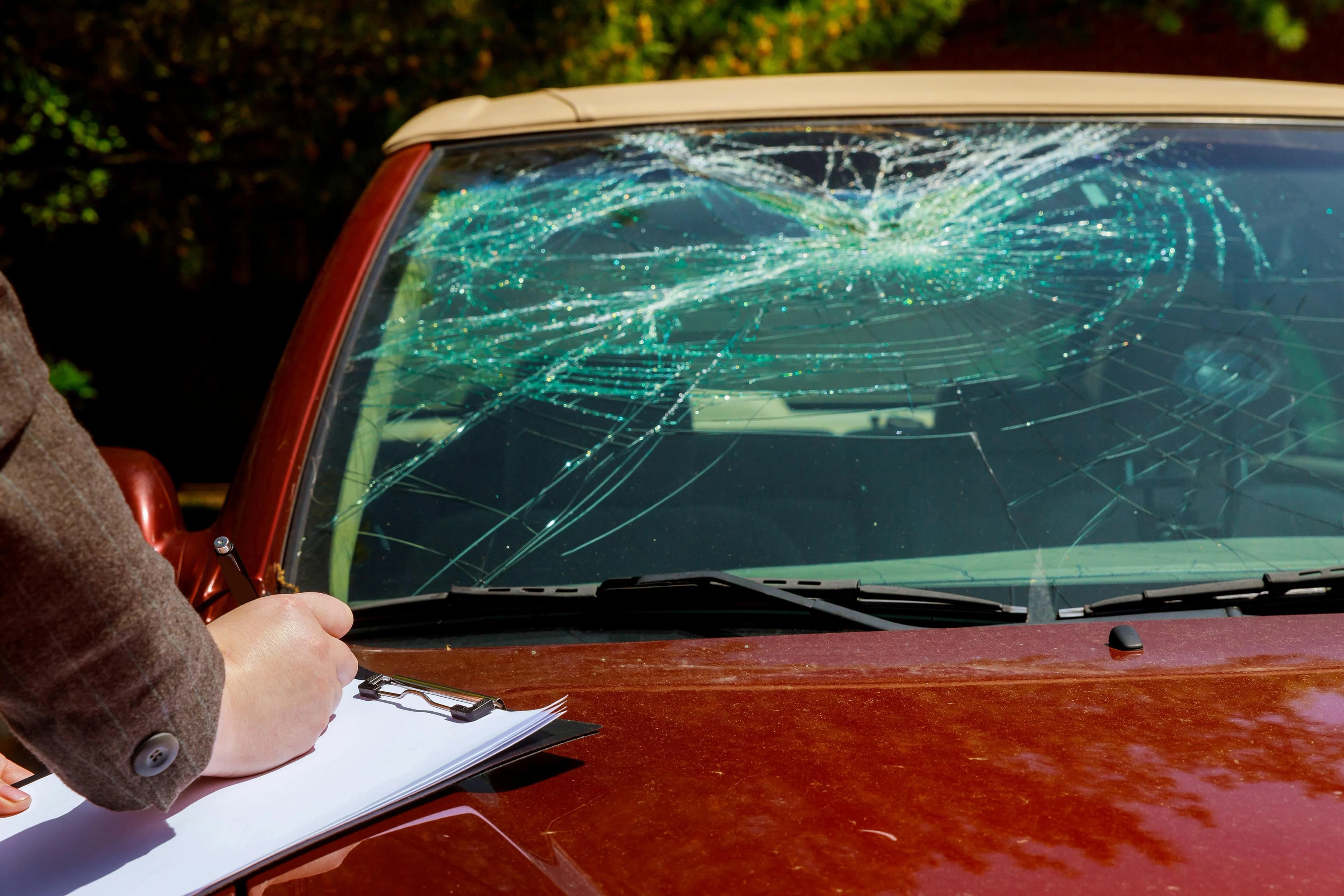
If you have noticed your car insurance premiums lately, you might have wondered if you are accidentally insuring a small fleet of private jets instead of a 2019 Camry. New York is currently the epicenter of a massive political brawl that could change the math for drivers across the country. On February 3, 2026, records revealed that Uber has dropped a cool $3 million into an independent expenditure committee called Citizens for Affordable Rates. This group exists for one primary reason: to support Governor Kathy Hochul’s 2026 budget bill. On the surface, it looks like corporate lobbying as usual, but the heart of the matter is something much more personal: how much your insurance company has to pay out when things go crunch.
The bill in question is a central piece of Governor Hochul’s affordability agenda. It aims to cap certain auto insurance payouts by narrowing the legal definition of what constitutes a serious injury. Right now, New York has some of the highest insurance rates in the nation, with families paying an average of over $4,000 annually. Hochul argues that these costs are driven by a culture of staged crashes and legal loopholes that allow people to game the system for what she calls jackpot awards. Uber, which sees about twenty-five percent of every fare go straight to mandatory insurance costs, is understandably tired of the bill. They have joined forces with trucking associations to push for these reforms, arguing that the current system is essentially a tax on the poor and the middle class.
The specifics of the proposal are where things get heated. Currently, New York law defines a serious injury through a list that includes things like dismemberment, fracture, or a non-permanent injury that prevents someone from their daily activities for more than ninety days. Hochul wants to tighten these "objective and fair medical standards" to ensure that temporary injuries that only sideline an individual for a short time don't result in massive payouts. According to state data, there were over 1,700 staged crashes in New York in 2023, ranking it second in the nation for this type of fraud. The Governor claims that these scams inflate everyone’s premiums by as much as $300 per year.
Naturally, the trial lawyers are not taking this sitting down. The New York State Trial Lawyers Association has labeled the proposal a victim tax. They argue that narrowing the definition of a serious injury is simply a gift to big insurance companies that will leave legitimately injured people high and dry. They contend that the billions of dollars insurance companies make should be enough to cover the risks of driving in a dense urban environment like New York City without punishing those who are hurt through no fault of their own. It is the classic Albany standoff: one side says they are fighting for affordability, the other says they are fighting for justice, and both sides are spending millions of dollars to convince you they are the hero of the story.
Uber’s involvement is particularly interesting because they are not just lobbying; they are funding television ads to tout the Governor’s commitment to lowering rates. For Uber, this is a bottom-line issue. If insurance costs drop, they can potentially lower fares or increase driver earnings—or, more likely, just improve their own margins. But for the average New Yorker, the reality is that owning and operating a car is becoming an unsustainable luxury. Between the cost of the vehicle, the gas, and the four-figure insurance bills, the math is getting harder to justify every single month.
The debate also touches on the rise of sophisticated fraud rings that use elaborate accidents to trigger insurance payouts. Governor Hochul has proposed a cross-agency task force to crack down on these swindlers, but the legal community argues that the focus should be on punishing the criminals, not changing the rules for everyone else. They worry that a grandmother with a legitimate back injury from a rear-end collision might find herself unable to seek compensation because her injury doesn't meet the new, stricter definition of serious. It is a delicate balance between stopping fraud and protecting the rights of the injured, and right now, the scale is being tipped by millions of dollars in corporate spending.
Whether the Governor’s bill passes or the trial lawyers hold the line, the one thing that is certain is that the cost of being on the road is not going down without a massive, expensive, and very public fight. In the end, this battle is about more than just legal definitions; it is a preview of the future of car ownership in America’s most expensive cities.