Turns out Waymos Like to Drive Into Highway Construction
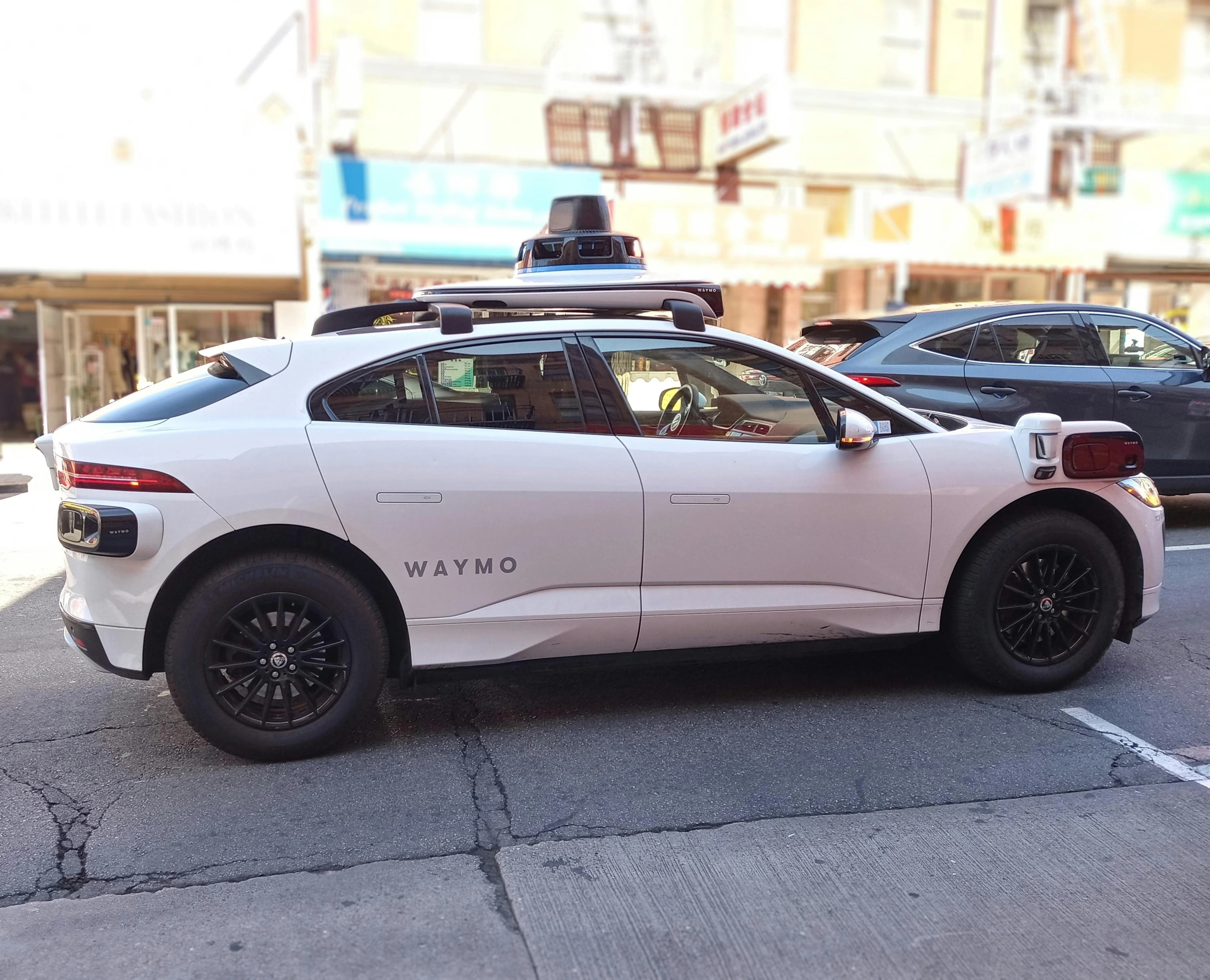
Building a vehicle that can successfully pilot itself through the chaotic expanse of modern public roads is easily one of the greatest engineering challenges of our time. It requires teaching a computer how to read the unpredictable behavior of human drivers, spot jaywalkers in the dark, and adapt to sudden changes in the environment. However, it seems that one of the most stubborn hurdles for the smartest artificial intelligence on the planet is the humble orange construction cone. Alphabet-owned Waymo has officially issued a voluntary safety recall with the National Highway Traffic Safety Administration for 3,871 of its autonomous vehicles after a series of highly public mishaps involving active construction zones.
According to the official federal safety reports, the recall impacts all of Waymo’s fifth-generation automated driving systems that are capable of driverless freeway operations. The primary issue stems from a critical software bug that handles spatial prioritization. Under certain complex circumstances, the self-driving system would fail to properly recognize highway construction zones, occasionally causing the vehicle to drive straight past ramp closure signs and barrel barriers without slowing down. Instead of stopping for the closed lanes, the computer would continue sailing along at full highway speeds, creating an obvious and highly dangerous hazard for both the occupants of the vehicle and the construction crews working on the asphalt.
The federal documents reveal that the recall was triggered after the company logged at least thirteen separate instances of its robotaxis wandering into places they absolutely did not belong. The errors were split between two major operational hubs over a two-month span. Six of the incidents took place around Phoenix, Arizona, where vehicles completely missed bright ramp closure signs and rolled into active work areas. The remaining seven incidents occurred in the San Francisco Bay Area, where the robotaxis navigated themselves directly between rows of traffic cones to enter lanes that had been intentionally blocked off for highway maintenance. Waymo explained that the onboard software was occasionally prioritizing the avoidance of other immediate highway hazards, which effectively blinded the vehicle to the broader construction zone layout.
In response to these unnerving events, Waymo took the proactive step of completely pausing its autonomous freeway operations. The company quietly restricted its fleet from entering highways to eliminate the risk while its engineering teams scrambled to develop a comprehensive over-the-air software update. While the robotaxis are still permitted to ferry passengers around standard city surface streets, highway trips will remain on a strict hiatus until the new code is fully deployed. The remedy will focus on heavily upgrading the vehicle's ability to detect when it has entered a construction area and ensuring it actively avoids closed lanes, all of which will be pushed out to the fleet.
This development comes at a particularly ironic moment for the autonomous vehicle pioneer. Just recently, Waymo launched its very first national advertising campaign during a major international soccer match, leaning heavily into a corporate message centered around public safety. The advertisements proudly claim that the autonomous driving system is significantly safer than a typical human driver in the specific cities where it operates. While statistical data regarding standard city street driving generally supports their claims, this sudden highway recall serves as a stark reminder that public infrastructure remains incredibly unpredictable. Human construction zones do not always follow rigid geometric rules, and teaching a computer to respect temporary signs is a vital milestone that the industry must conquer before robotaxis can truly conquer the open American highway.