Truck Nation: You Will Buy a Ford F-150 and You Will Like It
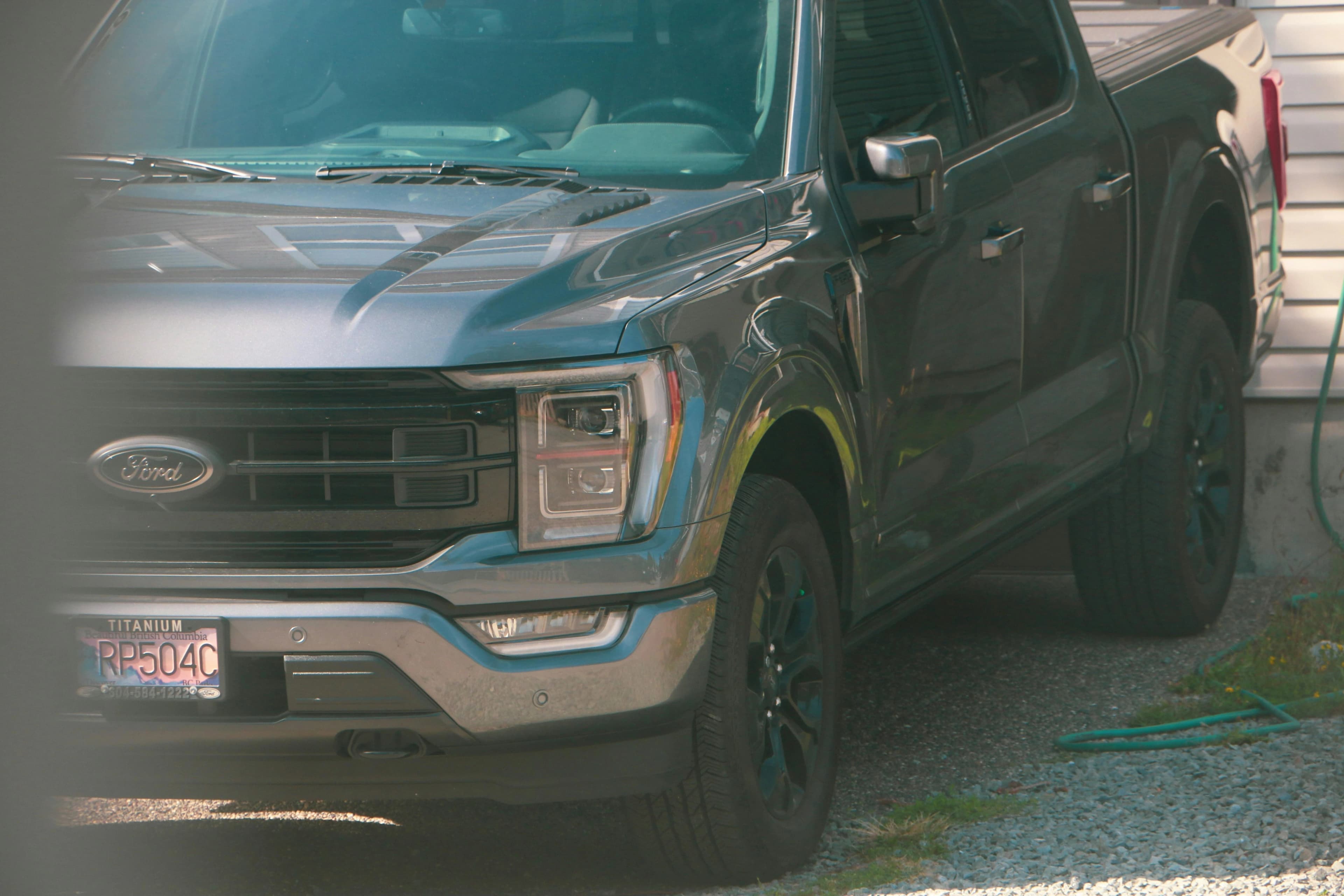
If you needed proof that America’s obsession with pickup trucks is less of a "market segment" and more of a "religious affiliation," look no further than the latest report from S&P Global Mobility dropped on November 27. The numbers are in, and they paint a picture of a segment that is practically immune to outside influence. Full-size half-ton pickups now account for a massive 15% of the entire U.S. new vehicle market. That is one out of every roughly seven vehicles sold in this country.
But the real story isn't the volume; it’s the tribalism. The report highlights a brutal reality for anyone trying to break into the truck game: once you buy a Ford F-Series or a Chevy Silverado, you basically never leave. Brand loyalty for these two titans is hovering in the stratospheric 55-65% range.
To put that in perspective, most car segments are happy with 40% loyalty. In the truck world, leaving Ford for Chevy is akin to changing your favorite football team or converting to a different religion. It just doesn't happen. This "moat" of loyalty gives Detroit pricing power that defies economic gravity. It’s why you see $80,000 trucks flying off lots. Buyers aren't cross-shopping; they are simply upgrading their F-150 to a newer F-150. They don't even look at the price tag of the competitor; they just ask, "How much is the new King Ranch?"
However, there is one loser in this data dump: Ram. The brand that redefined the luxury truck interior a few years ago is slipping. Ram’s loyalty rates have tumbled into the low 30s. This is a five-alarm fire for Stellantis.
Why the drop? It’s a combination of factors. The competition caught up. Ford and GM radically improved their interiors, added better tech (like GM’s Super Cruise and Ford’s BlueCruise), and maintained their powertrain dominance. Meanwhile, Ram’s pricing crept up without a corresponding leap in innovation. The "Ram is the luxury truck" argument doesn't hold as much water when a GMC Sierra Denali Ultimate interior looks like a private jet cockpit.
Furthermore, Ram has been hurt by the lack of a clear mid-size companion until very recently. Ford has the Ranger and Maverick; Chevy has the Colorado. These smaller trucks act as "gateway drugs" to the big trucks. Ram had nothing, leaving a hole in their lineup that allowed customers to drift away.
For the savvy buyer, this data is actionable intelligence. If you want a deal on a truck, don't look at Ford or Chevy; their buyers aren't going anywhere, so they don't need to discount. Look at Ram. They are bleeding loyalists and need to stop the hemorrhage, which means they are the ones likely to put cash on the hood.
Ultimately, the S&P report confirms what we already knew: The Truck Wars are over, and the incumbents won. We are living in a feudal system of towing capacity and leather seats, and the lords of Detroit are charging high taxes for the privilege of entry. Unless you are Ram, in which case, the war has just become a fight for survival.