Trailseeker and the Next Wave of Mainstream EV Crossovers
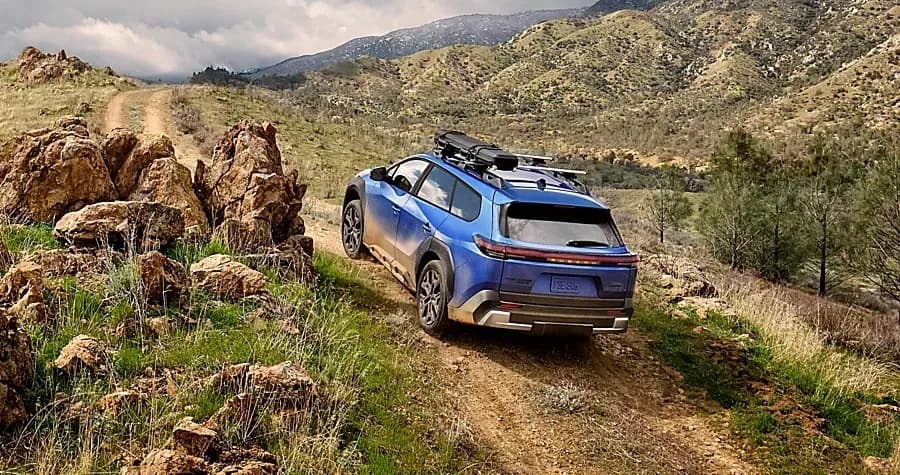
Image courtesy of Subaru
If you want to see the future of electric vehicles, stop looking at the Cybertrucks and the six-figure luxury barges that can CrabWalk. Look at the 2026 Subaru Trailseeker. Announced this week with pricing and specs, the Trailseeker is profound specifically because it is so incredibly normal. It is the boring, practical, dog-hauling future we were promised, and that is exactly why it’s important.
The Trailseeker is Subaru’s second dedicated EV effort, following the Solterra, which… well, let’s just say the Solterra had a "learning curve." It had range issues, charging issues, and wheels that famously threatened to fall off early in production. The Trailseeker corrects almost every grievance of that first attempt. It doesn't look like a spaceship. It doesn't have bizarre cladding that looks like it was applied with a trowel. It looks like a Subaru Forester that went to the gym and cut carbs. It has 8.7 inches of ground clearance, X-Mode AWD as standard, and roof rails that can actually hold a tent without buckling.
Critically, Subaru (and their partner Toyota, who has a bZ5X twin) focused on the metrics that matter to actual families. The range is a solid, honest 310 miles EPA estimated. Not 500 miles, not 200. Just enough to do a weekend camping trip without a panic attack. They also fixed the cold-weather charging performance, installing a dedicated battery pre-conditioning system that works manually or with the nav—a must-have for a brand whose demographic lives primarily in Vermont, Colorado, and the Pacific Northwest where "winter" lasts six months.
But the biggest win? The interior. Subaru resisted the urge to glue a giant tablet to the dash and remove all the buttons. The Trailseeker has physical buttons for the climate control (Hallelujah!). It has a volume knob. It has a wiper stalk that works like a wiper stalk. It normalizes the EV experience to the point where the powertrain is just a detail, not the entire personality of the car. They also passed the "Dog Test"—using durable, wipe-down materials in the back instead of fancy carpets that trap fur forever.
This car signals a shift away from "Halo EVs" toward "Replacement EVs." The Trailseeker isn't trying to be an iPad on wheels or a 0-60 monster. It’s trying to be a better Forester. The pricing is the kicker. Starting at roughly $38,000 after incentives, it lands right in the meat of the market. This is the wave of EVs that will finally crack the "early majority" of buyers.
These buyers don’t care about Gigapresses or 800-volt architectures; they care about getting the kids to hockey practice and not getting stuck in the mud. They want a car that starts every time, heats up quickly, and doesn't require a PhD to operate the radio. The Trailseeker is boring, capable, and reasonably priced. And in 2025, that makes it one of the most exciting cars on the market. It proves that the EV revolution doesn't have to be radical; it just has to be practical.