Toyota Tries To Make Hydrogen Not Suck
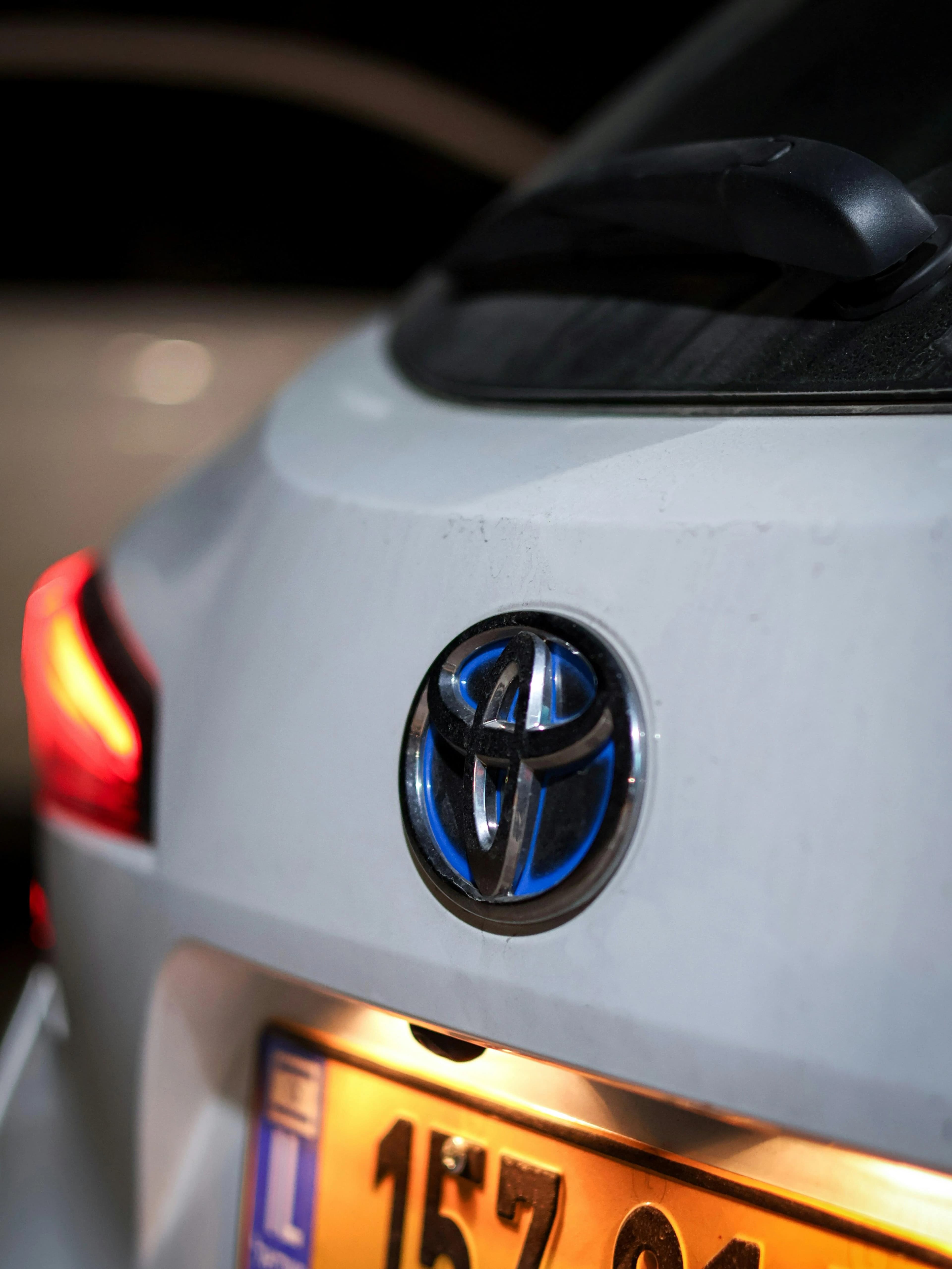
Toyota has long been the stubborn holdout of the automotive world, the one kid in class who refuses to use a tablet because they really, really like the way a fountain pen feels. While every other manufacturer has spent the last five years pivoting violently toward battery-electric vehicles, Toyota has kept one foot firmly planted in the world of hydrogen. Today, they gave us a glimpse into why they haven't given up the ghost just yet, unveiling a prototype for a solid-state hydrogen storage system that could actually make fuel-cell cars feel like a normal part of the landscape.
The biggest problem with hydrogen has always been the tanks. To get any decent range, you currently have to store hydrogen gas at 700 bar of pressure in massive, cylindrical carbon-fiber tanks that take up half the trunk and make the car look like it’s hauling around a pair of oversized scuba tanks. Toyota’s new prototype suggests a shift toward solid-state storage materials that allow hydrogen to be packed in at much lower pressures and in much more flexible shapes. This means engineers could theoretically package hydrogen storage like a flat battery pack, giving us back our trunk space and lowering the center of gravity.
This isnt just a win for the Mirai, which currently has the acceleration of a very comfortable glacier. It’s a signal that Toyota still believes in a multi-pathway future. The argument is simple: batteries are great for city cars, but for heavy-duty hauling and long-distance travel, hydrogen’s quick refueling and energy density are hard to beat. By moving to solid-state storage, they are addressing the packaging and safety concerns that have kept hydrogen relegated to a niche experiment for the wealthy and the weird.
Of course, the infrastructure problem remains the elephant in the room. You can have the most advanced storage system in the world, but if there are only three places in the entire state of California to fill up, you’re still driving a very expensive paperweight. However, Toyota’s persistence is starting to look less like stubbornness and more like a long-term hedge. If they can crack the code on making hydrogen cars as easy to package and live with as a Corolla, they might just get the last laugh.
There is also the matter of international competition. While Toyota is refining the fuel cell, companies like Chery are already pushing the boundaries of solid-state batteries for EVs. It’s a high-stakes race where the winner gets to define the next fifty years of transportation. Toyota is betting that a variety of solutions will be needed, rather than a single silver bullet. This approach is frustrating to some who want a clear winner now, but in the world of global manufacturing, being the only one with a working Plan B is usually a pretty good strategy.
For those not ready to gamble on the hydrogen revolution, you can use Price360 to get a full AI-powered visual inspection and history report on a more traditional used car to ensure you aren't buying someone else’s mechanical headache. Whether you are buying a hybrid, a diesel, or a pure EV, knowing exactly what you are getting into is the only way to avoid a financial rollaway. As we watch this technology evolve, it's clear that the combustion engine isn't going away without a fight, and Toyota is more than happy to provide the gloves.