Toyota Quietly Rolls Out Mid-Cycle Upgrades to a Bestselling SUV
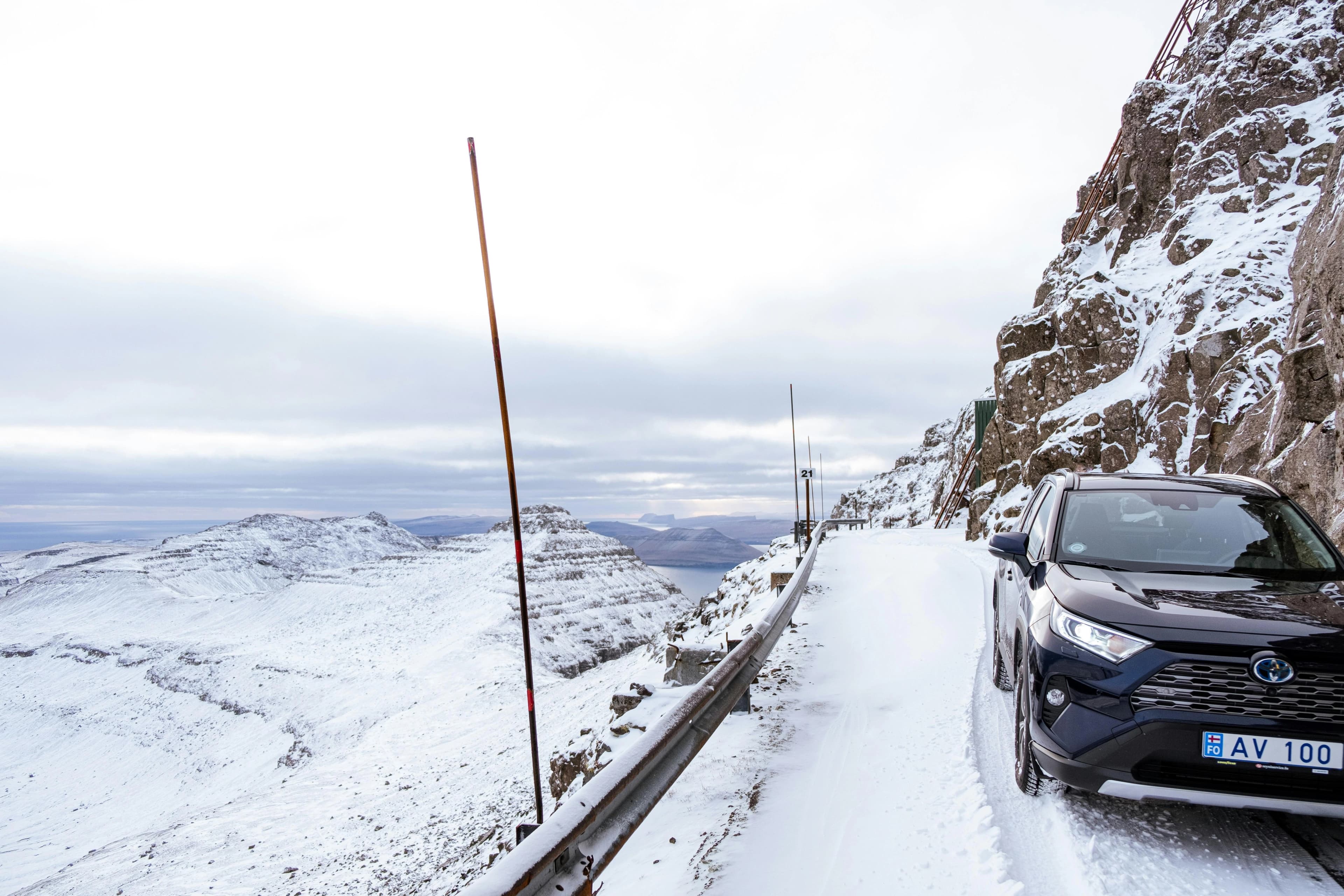
Toyota is the undisputed master of the "if it ain’t broke, don’t fix it" philosophy. It is why they can sell the 4Runner for fifteen years without changing the lug nuts, and people will still line up around the block to buy one. The RAV4 has been riding this wave, selling approximately eight billion units despite remaining largely unchanged since its last major overhaul. But eagle-eyed enthusiasts, forum dwellers, and dealer inventory photographers have spotted something interesting happening on the lots this December.
Fresh deliveries of the 2025 RAV4 seem to be sporting upgrades that were not there a few months ago, and certainly weren't in the initial brochure. We are talking about a quiet, unannounced mid-cycle refresh that Toyota didn’t even bother to issue a press release for. This is the automotive equivalent of a stealth patch in a video game—you log in one day, and suddenly the graphics are better and the bugs are gone.
The changes appear to be small but significant for the daily user. Reports indicate updated interior materials, specifically addressing the hard plastic "knee-knockers" that taller drivers have complained about for years. There is also a revised infotainment processor that actually responds to touch inputs in the same century they were made, and what looks like an updated revision of the Toyota Safety Sense suite, likely offering smoother lane-tracing assist and less panic-prone automatic braking.
Why the stealth update? Why not scream it from the rooftops? It is likely a bridge strategy. With the all-new, next-gen RAV4 looming on the horizon for 2026 or 2027, Toyota needs to keep the current model competitive against newer rivals like the Honda CR-V and the refreshingly competent Hyundai Tucson. The current RAV4 is a sales juggernaut, but it is aging. By slipping in these changes now, they keep the value proposition high without cannibalizing the hype (or the marketing budget) for the next big launch.
For shoppers, this creates a tricky "check the build date" situation. If you are buying a RAV4 this month, you need to be a detective. Do not just look at the window sticker; look at the manufacturing date on the door jamb. You want a unit built in late Q4 2025. You might be looking at two identical RAV4 XLEs on the lot—same color, same price, same options—but one of them has the "good" interior and the faster screen, and the other one is the "old" stock.
This is where the enthusiast mindset pays off. Most buyers will just pick the color they like. You, the informed reader, will be checking VINs and tapping dashboards like a weirdo. But you will be the one driving home in a better car for the exact same money. It is a reminder that in the world of car manufacturing, "model year" is just a suggestion. Continuous improvement—Kaizen—means the car you buy in December might be objectively better than the one your neighbor bought in June.