Toyota Just Went All-In On Hybrids, And You Can't Stop Them
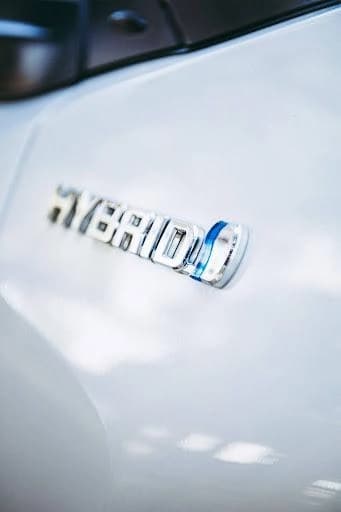
Toyota just made a bet that's either brilliant or insane, and honestly, it's probably both. The completely redesigned 2026 RAV4—America's best-selling vehicle, not just best-selling SUV—will start hitting dealerships in December. And every single one will be either a hybrid or a plug-in hybrid. No gas-only option. None. Zero. If you want a RAV4, you're getting electric motors whether you asked for them or not.
Let's put this in perspective. Toyota sold 475,000 RAV4s in 2024. It's not just dominating the compact SUV segment—it's the best-selling passenger vehicle in America period. And Toyota just decided to make it 100% electrified. That's not a cautious test. That's Toyota betting the entire franchise on hybrid technology and saying "deal with it."
The sixth-generation RAV4 comes in three design themes: Core, Rugged, and Sport. The Core lineup includes LE, XLE Premium, and Limited grades with Toyota's fifth-generation hybrid system delivering 226 hp in front-wheel drive and 236 hp in all-wheel drive. Toyota claims up to 44 MPG combined, which would make it one of the most efficient non-plug-in SUVs on the market. For context, a Honda CR-V gets around 32 MPG. That's a massive difference.
The Rugged design gets you the Woodland grade, sitting half an inch higher thanks to all-terrain tires. It includes a multi-terrain monitor, 3D panoramic view, and front cross-traffic alert. Toyota's basically targeting the Subaru Outback Wilderness crowd—people who want to look outdoorsy even if they never leave pavement. And there's absolutely nothing wrong with that.
The Sport lineup includes SE, XSE, and the first-ever RAV4 GR Sport, developed with Toyota Gazoo Racing. The GR Sport is plug-in hybrid only, making 320 hp (up 18 from the previous gen) and delivering 50 miles of electric-only range, up from 42 miles. That's one of the longest EV ranges of any current PHEV. Most people could do their daily commute without burning a drop of gas.
Here's where it gets interesting: all PHEVs come with DC fast charging capability through either a CCS port (XSE and Woodland) or J1772 port (SE and GR Sport). Fast charging on a PHEV is unusual but incredibly useful. Most plug-in hybrids can only charge on Level 2, which takes hours. Being able to quick-charge at a public station makes the PHEV actually viable for longer trips.
Tech-wise, the 2026 RAV4 launches Toyota's new Arene software platform, underpinning Safety Sense 4.0 and the new multimedia system. Every model gets a 12.3-inch digital gauge cluster and a touchscreen ranging from 10.5 to 12.9 inches. The system integrates AT&T 5G connectivity—a first for Toyota—with smartphone-like customizable widgets, enhanced voice assistant, SiriusXM with 360L, and native Spotify integration.
Pricing starts "in the low $30,000s" for the base hybrid FWD model, according to Toyota. That's competitive with gas-only rivals like the Honda CR-V and Mazda CX-50. PHEV models won't arrive until spring 2026, and Toyota hasn't released pricing yet, but expect mid-$40,000s based on current PHEV pricing.
Here's what's really interesting about Toyota's move: they're going all-in on hybrids at exactly the moment when pure EV sales are cratering. With the federal tax credit gone and EV market share dropping from 12.9% to 5.2% in October, Toyota's hybrid strategy looks increasingly smart. They're giving buyers fuel efficiency and environmental benefits without range anxiety, charging infrastructure hassles, or EV price premiums.
Toyota's already done this with the Camry sedan and Sienna minivan—both are now hybrid-only in the U.S. The RAV4 is just the latest vehicle in their gradual electrification strategy. And unlike automakers who went all-in on pure EVs and are now backpedaling frantically, Toyota's hybrid approach is actually selling. Remember those October sales numbers where hybrids jumped to 14.2% market share? Yeah, Toyota read the room.
The gamble is whether buyers will accept losing the gas-only option. RAV4's target demographic tends to be practical and value-focused. If the hybrid models deliver on fuel economy without charging hassles or price premiums, buyers will probably embrace it. The 44 MPG combined rating would be a huge selling point against gas-only competitors.
One concern: production capacity. With supply chain issues everywhere and the Nexperia chip crisis threatening global production, can Toyota actually build enough RAV4s to meet demand? The hybrid powertrain uses more semiconductors than a traditional gas engine. Any supply chain disruptions hit harder.
Bottom line: Toyota's making a massive bet that buyers are ready for an all-hybrid RAV4. Given October's sales trends—hybrids up, EVs down—it's probably the right call. The RAV4 has been America's best-selling vehicle for good reason: it's practical, reliable, and reasonably priced. Adding hybrid efficiency across the board without killing affordability could cement its dominance for another generation.
Expect these rolling into dealerships starting in December. If you're in the market for a compact SUV and want to future-proof your purchase, the 2026 RAV4 might be worth waiting for. Just don't ask for a gas-only version—Toyota's already decided that ship has sailed. And honestly? They're probably right.