Toyota Finally Starts Making Batteries in America
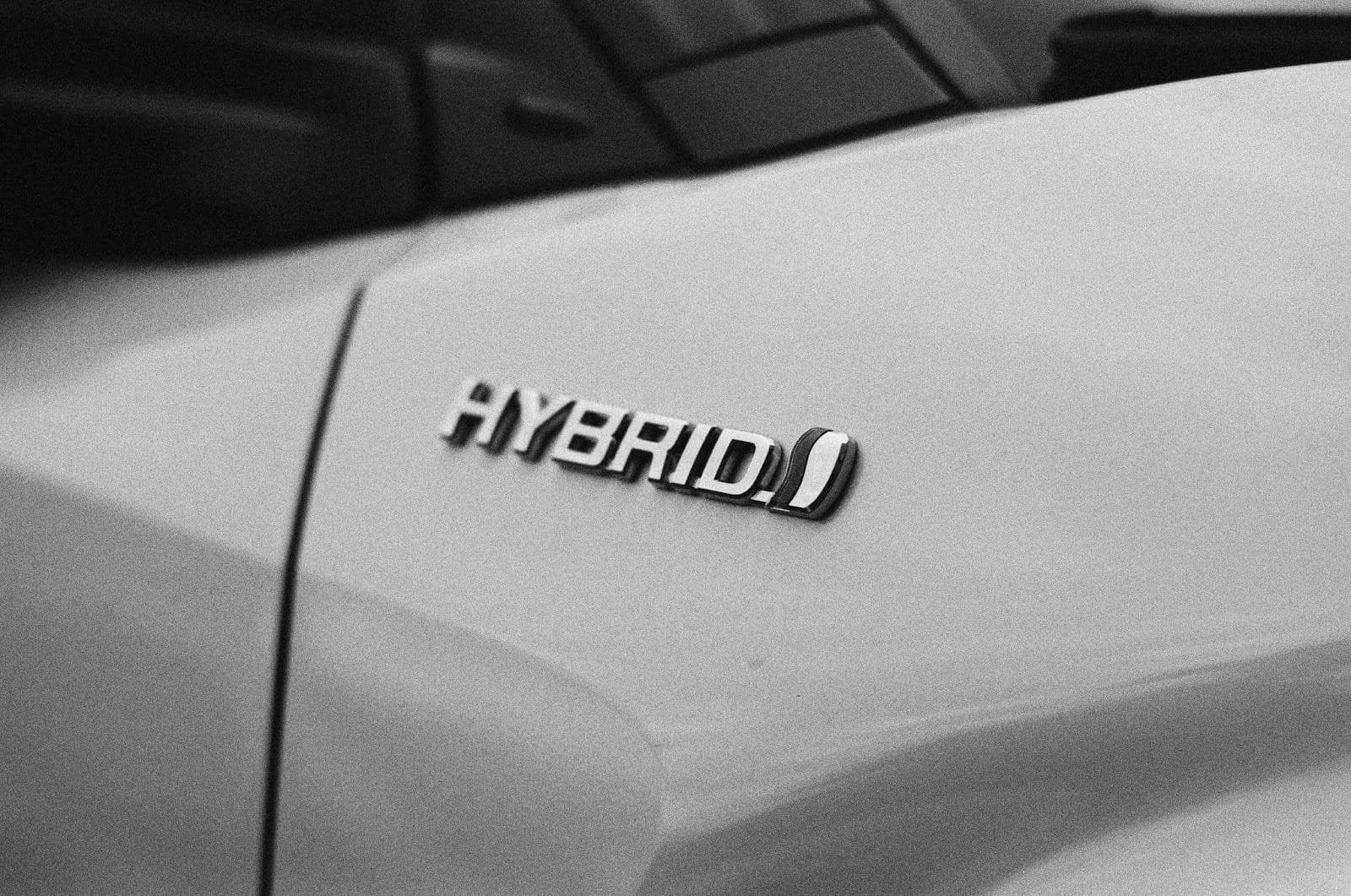
Toyota has been talking about building a U.S. battery plant since December 2021, back when the Biden administration was throwing money at anyone who promised to make EV components domestically. Well, it's now November 2025, and production has finally started at the company's first battery plant outside Japan. The $13.9 billion facility in Liberty, North Carolina is officially making batteries, and honestly, it's about damn time.
This isn't just any battery plant. It's a 1,850-acre monster that Toyota says will create up to 5,100 jobs and pump out 30 gigawatt-hours of batteries annually at full capacity. For context, that's enough to power a whole lot of RAV4 hybrids, which is exactly what Toyota plans to do with them. The batteries are already being shipped to assembly plants in Kentucky and Alabama to juice up the Camry, Corolla Cross, and RAV4 hybrid models.
Toyota's been weirdly stubborn about EVs for years, insisting that hybrids were the real answer while everyone else was going all-in on battery electrics. And you know what? They might have been right, at least partially. While other automakers have been struggling to sell EVs that nobody wants to buy, Toyota's been quietly dominating the hybrid market. Americans, it turns out, like the idea of electric driving but also enjoy the security blanket of a gas engine for when the charging infrastructure inevitably disappoints them.
The North Carolina plant is set up to handle 14 production lines for hybrid, plug-in hybrid, and full battery electric vehicles. That's Toyota hedging their bets in the most Toyota way possible. They're not betting the farm on pure EVs like some automakers have, but they're also not ignoring the inevitable electrification wave. It's pragmatic, maybe even boring, but it's classic Toyota.
Alongside the plant opening, Toyota dropped another bombshell: an additional $10 billion investment in U.S. operations over the next five years. That brings their total U.S. investment to nearly $60 billion since they started making cars here almost 70 years ago. Transportation Secretary Sean Duffy was there, saying nice things about reshoring manufacturing and American jobs, which is the kind of thing transportation secretaries are contractually obligated to say at these events.
Governor Josh Stein also showed up to pat everyone on the back and talk about how great North Carolina is for business. And honestly? He's got a point. With Toyota's battery plant in Liberty and Scout Motors setting up shop nearby, the Carolinas are becoming a legitimate EV manufacturing hub. It's not Michigan, but it's not nothing either.
The facility is running 24/7, which is what you do when you've invested $14 billion and need to actually make that money back at some point. Workers get on-site childcare, a pharmacy, medical clinic, and fitness facilities, which sounds suspiciously civilized for a manufacturing plant. Toyota's clearly trying to attract and keep talent in an era where good workers have options.
Construction isn't done yet, though. The plant won't be fully complete until 2030, which means we're looking at another five years of building before everything's up and running at maximum capacity. Toyota's also planning to build batteries for a future three-row BEV that they haven't announced yet.
The timing of all this is interesting. Market conditions for EVs have cooled significantly since Toyota first announced the plant. Consumer demand is softer than expected, federal tax incentives have expired, and range anxiety is still very much a thing. Meanwhile, hybrid sales are absolutely exploding. Toyota sold over 6.6 million electrified vehicles in the U.S. since 2000, and most of those were hybrids, not pure EVs.
So while other automakers are pivoting away from EVs or slowing their electric ambitions, Toyota's plugging along with their multi-pathway approach. They're making hybrids, plug-in hybrids, hydrogen fuel cell vehicles, and eventually pure EVs, all powered by batteries made right here in the good old U.S. of A.
Is it the most exciting EV story of the week? Not really. Toyota's not reinventing the wheel here; they're just finally building the infrastructure to make the wheels they've been talking about for years. But it's significant because Toyota is Toyota. When the world's largest automaker commits this kind of money to domestic battery production, it signals that electrification is happening whether we like it or not. Toyota's just going to do it their way: slowly, carefully, and probably pretty successfully.