The VW ID. Buzz Is Taking a Gap Year
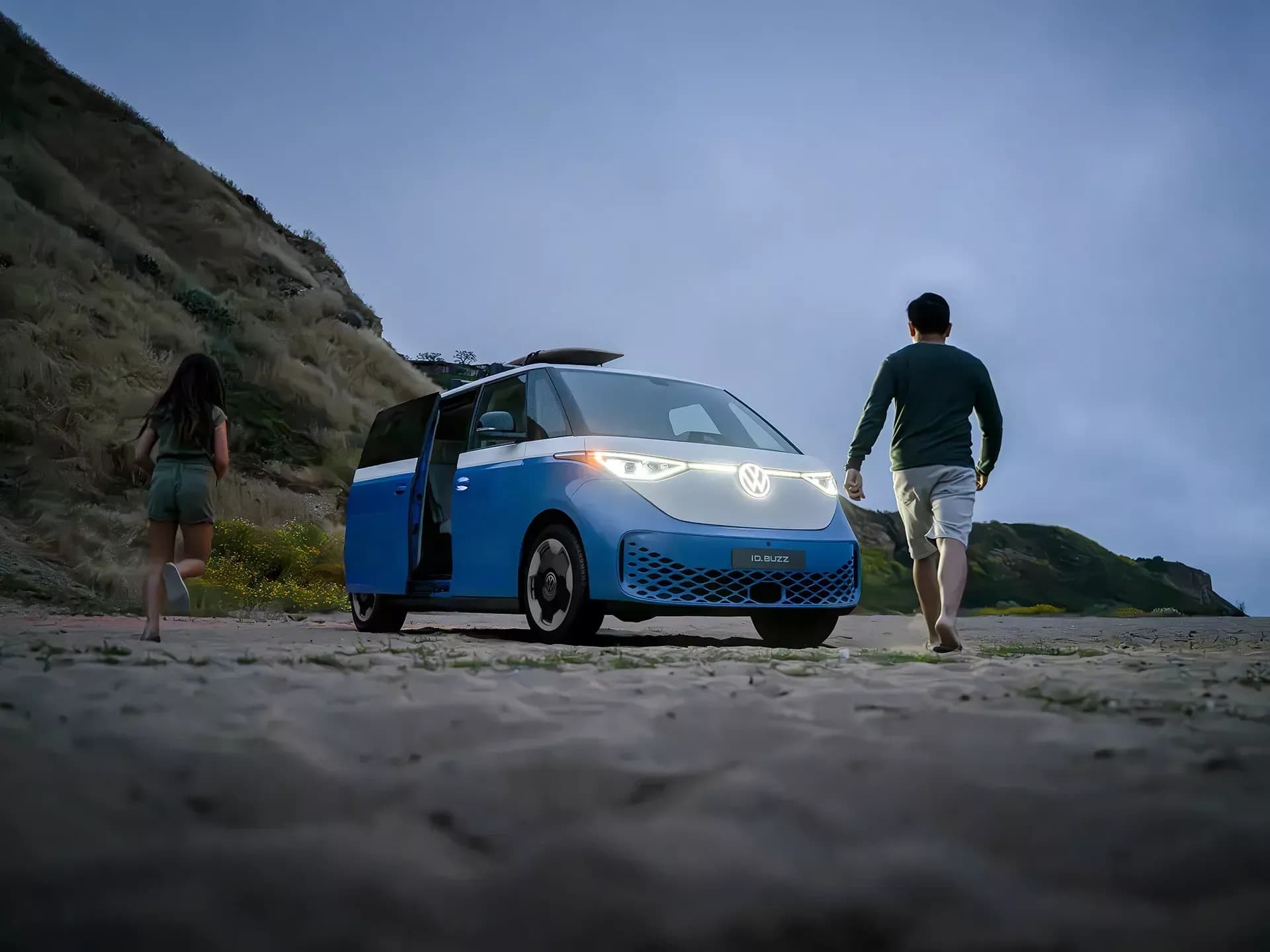
Image courtesy of Volkswagen
It turns out that nostalgia is a currency with a very specific exchange rate, and Volkswagen just found out they overspent. In a move that feels like a massive hangover after a three-year marketing party, Volkswagen has confirmed it will not produce the ID. Buzz for the US market for the 2026 model year.
That’s right. The retro-futurist microbus that was supposed to be the smiling face of VW’s electric revolution is taking a sabbatical. Why? Because you didn’t buy one.
The numbers are brutal. Since its launch, the ID. Buzz has moved fewer than 5,000 units in the US through late 2025. For a mass-market vehicle that was advertised during the Super Bowl, that is a catastrophe. But we have to ask ourselves: how did a car with so much goodwill, so much hype, and such a beloved design fail so spectacularly?
The answer lies in the "Vibes vs. Reality" chart. On the "Vibes" axis, the ID. Buzz is a 10/10. It smiles at you. It comes in two-tone paint. It reminds Boomers of Woodstock and Millennials of the hashtag-vanlife content they scroll through at 2 AM. But on the "Reality" axis—the one where you actually have to write a check—the Buzz was a mess.
The problem was that VW built a car for flower children but priced it for hedge fund managers. With a starting price north of $60,000 (and dealer markups pushing early models toward $80k), the Buzz forced buyers to pay a luxury premium for a vehicle that was objectively less capable than its competition. The real-world range struggled to break 230 miles on the highway—the one place you actually use a van. The infotainment software was, in classic modern VW fashion, infuriating. The seats didn't fold flat or come out easily, killing the cargo utility that made the original Bus a legend.
When you compared it to the Kia EV9, which offered three rows, 300 miles of range, and faster charging for a similar price, the Buzz just looked like an expensive toy. It became a third car for wealthy people in Malibu, rather than the family hauler it was meant to be.
Add in the complication of tariffs and the fact that these vans are imported from Germany, and the business case just fell apart. VW claims this is just a "pause" to clear out the backlog of 2025 models sitting on dealer lots gathering dust. They promise the van will return for the 2027 model year, potentially with updates.
But let’s be honest: a "gap year" in the automotive industry is rarely a good sign. It usually means the product planners are in a panic room somewhere, throwing chairs and trying to figure out how to slash costs by 15% without making the interior made entirely of recycled yogurt cups.
This is a classic case of an automaker believing its own hype. The ID. Buzz was a viral sensation on Instagram, but "likes" don't pay the monthly note. It’s a harsh reality check for the industry: consumers are done paying early-adopter taxes for EVs that don’t deliver on the fundamentals. The "cool factor" only gets you so far.
If VW wants the Buzz to survive when it returns in 2027, it needs to come back with a vengeance. It needs 300 miles of real highway range. It needs a sub-$55k starting price. And it needs to remember that a van, first and foremost, needs to be practical. Until then, the few thousand people who bought one have instant collector's items—or white elephants, depending on how you look at it.