The Used Car Market Is Having a Premature Spring Break
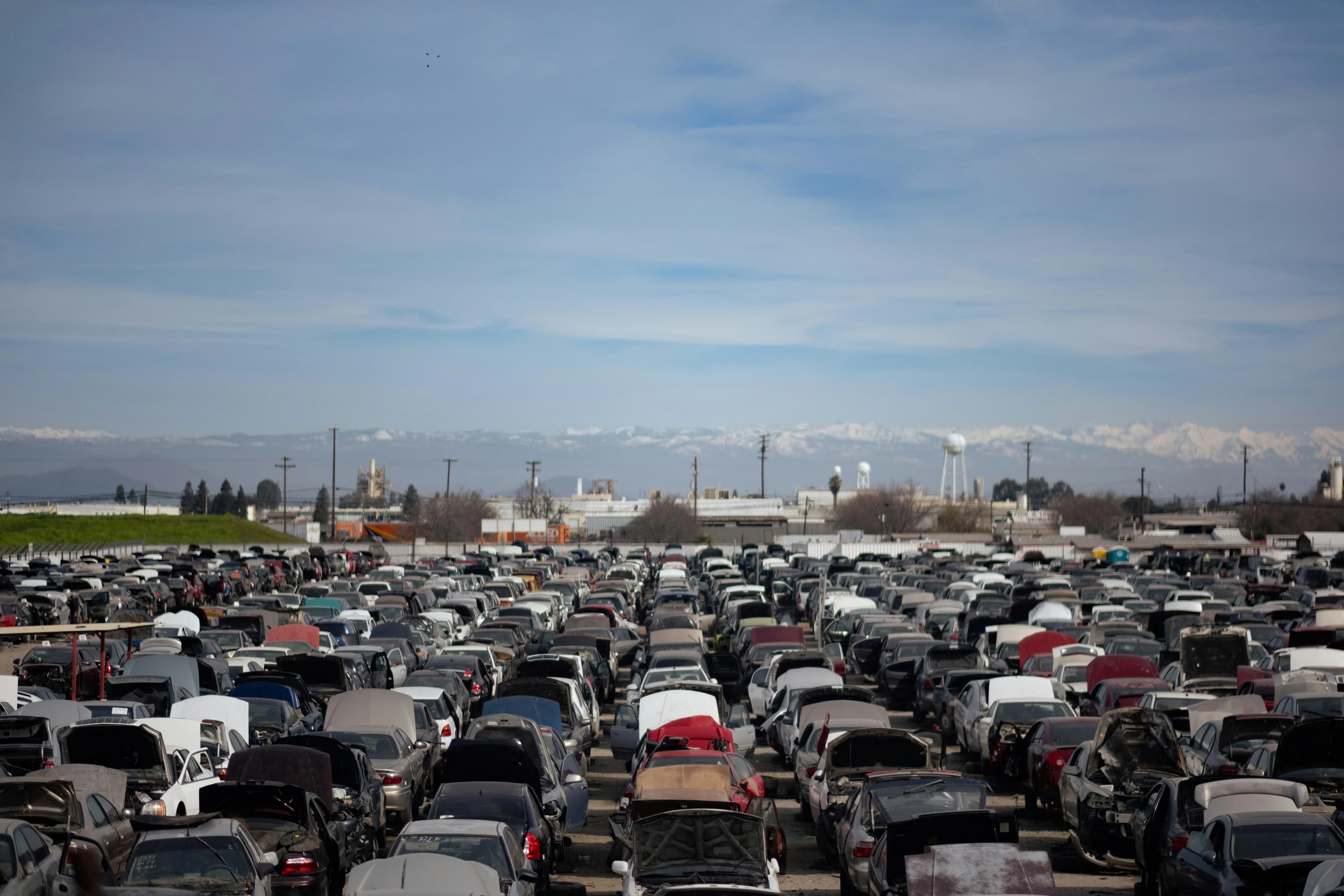
We all hoped that 2026 would be the year the used car market finally settled into a predictable, boring rhythm. Instead, the latest data from the Manheim Used Vehicle Value Index suggests the market has decided to skip the winter doldrums and jump straight into a high-fever spring. Wholesale prices—the prices dealers pay at auction—surged by 2.4% in January alone. To put that in perspective, the long-term average for January is usually a slight decline.
This is what economists call a spring bounce that arrived way too early. A combination of early tax refunds and a persistent shortage of high-quality used inventory has created a feeding sweep at the auctions. Dealers are scrambling to fill their lots in anticipation of a massive wave of buyers, and that competition is driving prices up faster than a turbocharger on full boost. The unadjusted jump was even more dramatic at 2.7%, marking the highest reading for the index since late 2023. This is not just a statistical fluke; it is a signal that the demand for reliable, accessible transportation is far outstripping the supply of clean, late-model vehicles.
The pain is not being distributed equally, however. If you are in the market for a used luxury vehicle or a traditional internal combustion SUV, you are going to feel the squeeze the most. On the flip side, used electric vehicles are still seeing much slower price growth, making them the one potential bargain in an otherwise overheated market. With federal EV incentives shifting and lease returns starting to flood the secondary market, the battery-powered segment is the only place where buyers currently have much leverage. Luxury cars, in particular, saw some of the strongest retention rates, meaning those hoping for a cheap entry into a premium brand might be waiting a while longer.
What is driving this specific frenzy? Experts point to a K-shaped recovery in the car market. While high-end buyers are still trading in and out of luxury models with relative ease, the budget-conscious segment is being squeezed by high interest rates and a lack of sub-$20,000 options. When a batch of decent four-year-old SUVs hits the auction block, dealers fight for them because they know they can turn them around on the lot in forty-eight hours. This creates a feedback loop that keeps wholesale values climbing, even when new car inventory is finally starting to normalize.
For the average person just trying to find a reliable daily driver without taking out a second mortgage, this news is about as welcome as a nail in a tire. When wholesale prices jump this sharply, it usually takes about four to six weeks for those increases to show up on the window stickers at your local lot. If you are planning to buy, you might want to move quickly before the retail prices catch up to the auction madness. The current days’ supply of wholesale inventory has dropped significantly, meaning there is less to go around, and what is there is getting more expensive by the day.
Navigating this kind of volatility requires a bit of an edge. This is where a tool like Price360 can be a lifesaver. Since prices are high, the last thing you want is to overpay for a car that has hidden skeletons in its closet. Price360 provides an AI-powered visual inspection that can spot exterior damages and estimate repair costs, giving you the leverage you need to negotiate when the dealer points to the rising market as a reason for a premium price. The market might be getting more expensive, but that does not mean you have to fly blind or accept a sub-par vehicle just because options are limited.