The Tail Is Finally Wagging the Dog: Why Tier-1 Suppliers Own Your 2026 Dashboard
If you have spent any time prowling the dealer lots this New Year’s Day, kicking tires and trying to ignore the 9% interest rates, you might have noticed a creeping sense of déjà vu. You hop into a domestic crossover, and the infotainment interface looks… familiar. You slide into a Korean electric sedan, and the ADAS (Advanced Driver Assistance Systems) warning chimes sound suspiciously like the ones in that German luxury SUV you test-drove an hour ago.
You aren’t losing your mind. You are just witnessing the quietest, most effective coup in automotive history.
For the last century, the relationship between Automakers (OEMs) and their Tier-1 suppliers (the Bosches, Magnas, Densos, and Continentals of the world) was strictly feudal. The OEM was the King. They dictated the specs, beat the suppliers down on price until their margins were thinner than a single-ply tissue, and slapped their badge on the final product.
But in 2026, the peasants have stormed the castle, and they’ve brought their own software stacks.
The shift didn’t happen overnight, but the tipping point is undeniably here. It started back in the early 2020s when every major automaker decided they were going to be a tech company. They hired thousands of developers from Silicon Valley, promised us "Software-Defined Vehicles" that would update like iPhones, and sunk billions into proprietary operating systems.
And then, mostly, they failed.
We all remember the disasters. The bricked EVs. The screens that went black at highway speeds. The user interfaces that required three sub-menus to turn on the windshield wipers. It turned out that building a car and building a reliable, secure, over-the-air updateable software platform are two very different skill sets.
While the OEMs were flailing, the Tier-1 suppliers were busy. They weren't trying to be cool; they were trying to be indispensable. They built "turnkey" platforms—complete chassis with integrated battery management, motor controllers, and, crucially, the entire software brain pre-validated and ready to go.
Now, in 2026, the OEMs have largely thrown in the towel on proprietary development for the non-differentiating stuff. They are quietly adapting their product strategies around what the suppliers are offering, rather than the other way around.
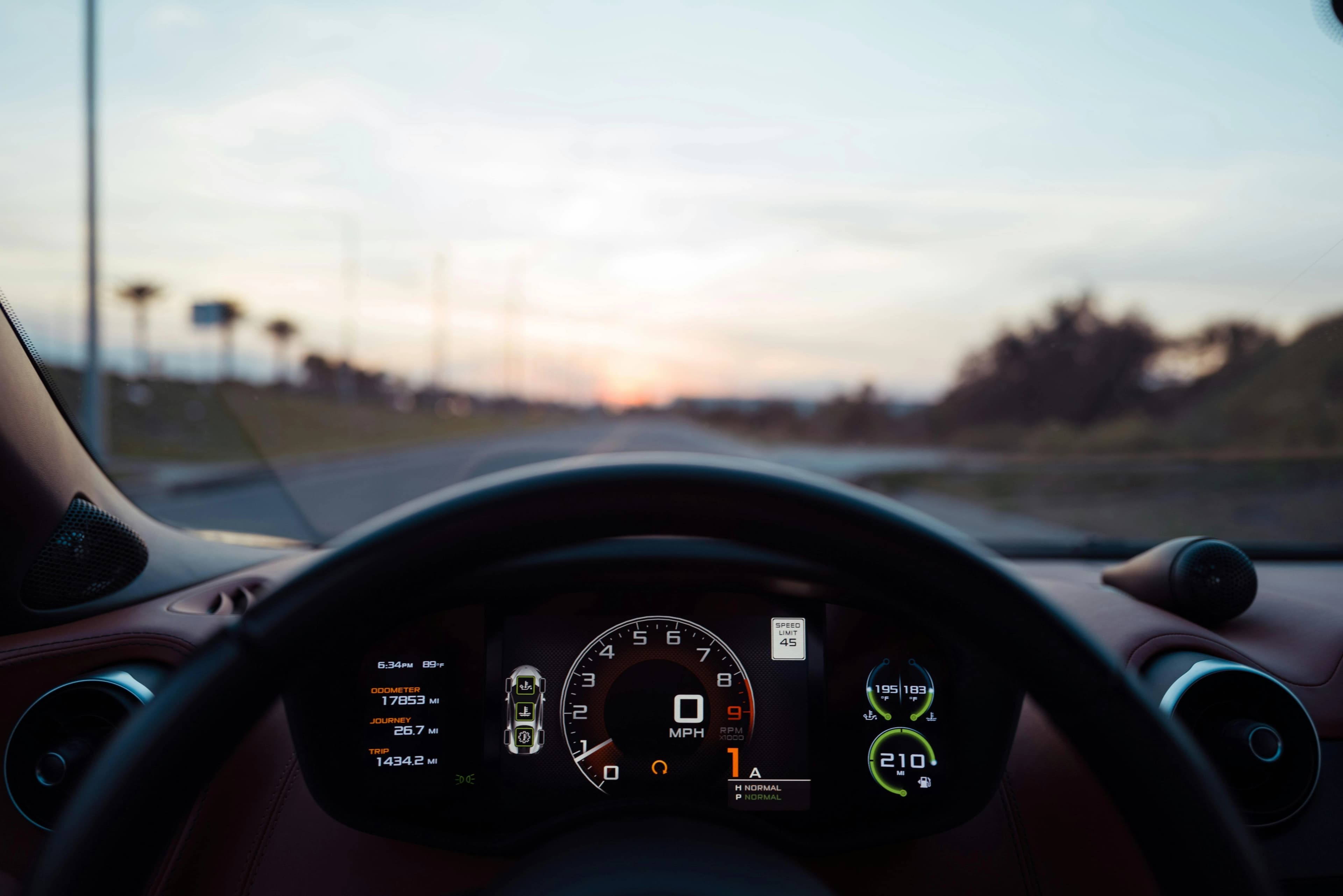
This means that a shocking number of 2026 models are effectively white label engineering jobs. The OEM designs the sheet metal, the interior leather, and the marketing campaign. But the actual guts—the steering feel, the throttle mapping, the regenerative braking curve, and the entire digital cockpit—are coming straight off a Tier-1 shelf.
On one hand, this is good news for consumers. The tech actually works now because it’s built by specialists like Aptiv or Mobileye who have done this a million times. We are seeing fewer recalls for software glitches this week than we did two years ago because the code isn't being written by a stressed-out intern at a legacy automaker.
But on the other hand, we are losing the "soul" of the machine. When five different car brands all use the same Bosch electric motor and the same Magna steering rack software, brand identity becomes nothing more than styling and suspension tuning. The distinct mechanical personality that used to define a BMW versus a Lexus is eroding. In 2026, you aren’t paying for engineering; you’re paying for the curation of parts.
The leverage has shifted so dramatically that suppliers are now dictating feature timing. We’re hearing rumors of a major domestic truck launch being delayed three months not because the truck isn’t ready, but because the supplier of the Level 3 autonomous driving module decided to prioritize a contract with a European luxury brand first. The OEM had to wait in line.
That is the new reality. The automakers are still the face of the operation, but make no mistake: in 2026, the suppliers are the ones driving the car.