The "Tactile" U-Turn
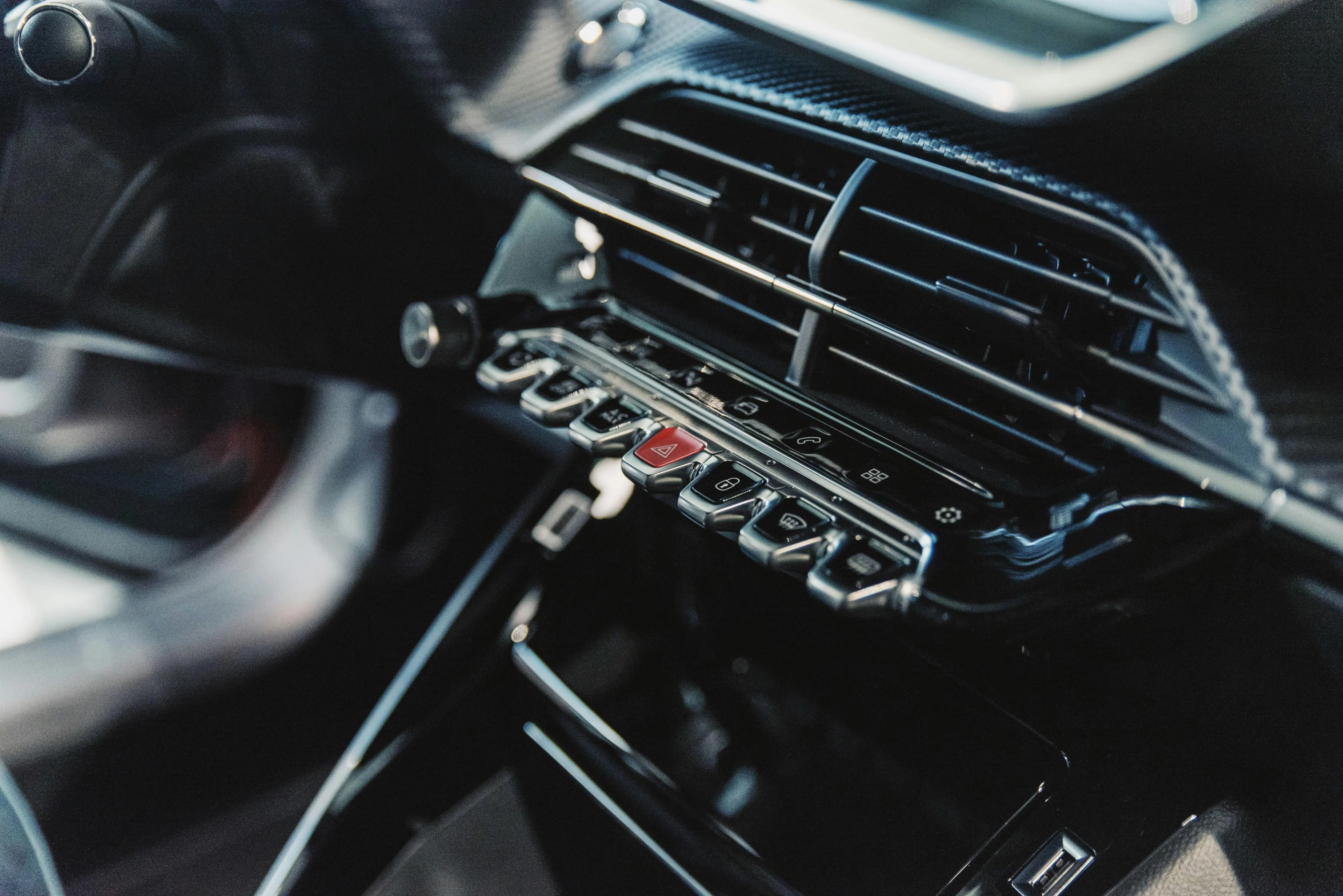
Pop the champagne and sound the air horns (using a physical button, please): The War on Buttons is officially over, and the buttons won.
For the last decade, car interiors have been sliding into a hellscape of capacitive touch sensors, slider bars, and screens hidden within screens. We reached peak insanity a few years ago when Volkswagen decided that volume knobs were "legacy tech" and replaced them with unlit slider bars that you couldn't see at night. It was a dark time. A dangerous time. A time when turning on your heated seat required three sub-menus and taking your eyes off the road for four seconds.
But the "Tactile U-Turn" is here.
This week, following in the footsteps of recent announcements, we are seeing confirmation that 2026 models are rapidly backtracking on the "all-screen" future. Volkswagen design boss Andreas Mindt recently fell on his sword, admitting that the touch-sensitive steering wheel controls on the Golf GTI were a "mistake" and promising that future models—starting with the ID.2 and trickling up—will have physical buttons for the "Big Five": Volume, HVAC (temperature), Fan Speed, Hazards, and Drive Mode.
This isn't just VW. GM is pivoting, too. After insisting that everything needed to be on a screen, customer feedback (read: angry letters and forum rants) has forced their hand. We are seeing spy shots of updated interiors that feature *gasp* rows of toggle switches.
Why the change? It wasn't just complaints. It was safety. Euro NCAP, the European safety agency, basically threatened to downgrade safety ratings for cars that relied too heavily on touchscreens for critical functions. They realized what we have all known for years: You cannot operate a touchscreen by muscle memory. You have to look at it. And looking at a screen means not looking at the road.
Buttons are superior. This is not nostalgia; it is ergonomics. You can reach out and find a volume knob without taking your eyes off the car in front of you. You can feel the click of a temperature dial. It provides tactile confirmation that the machine has received your command. A flat piece of glass gives you nothing but fingerprints.
This shift marks the end of the "Smartphone-ification" of the car. For a while, automakers thought we wanted our cars to be iPads on wheels. They were wrong. We have iPads at home. When we are driving a two-ton metal box at 70 MPH, we want control. We want precision. We want to be able to turn down the radio to "see better" when we are parking (you do it, too, don't lie).
So, welcome back, buttons. Welcome back, knobs. We missed you. We’re sorry we let the designers banish you to the scrap heap. The interior of 2026 is going to look a little more cluttered, a little less "minimalist chic," and a hell of a lot more usable. And that is a victory for drivers everywhere.