The Secret Charging Test Everyone Missed
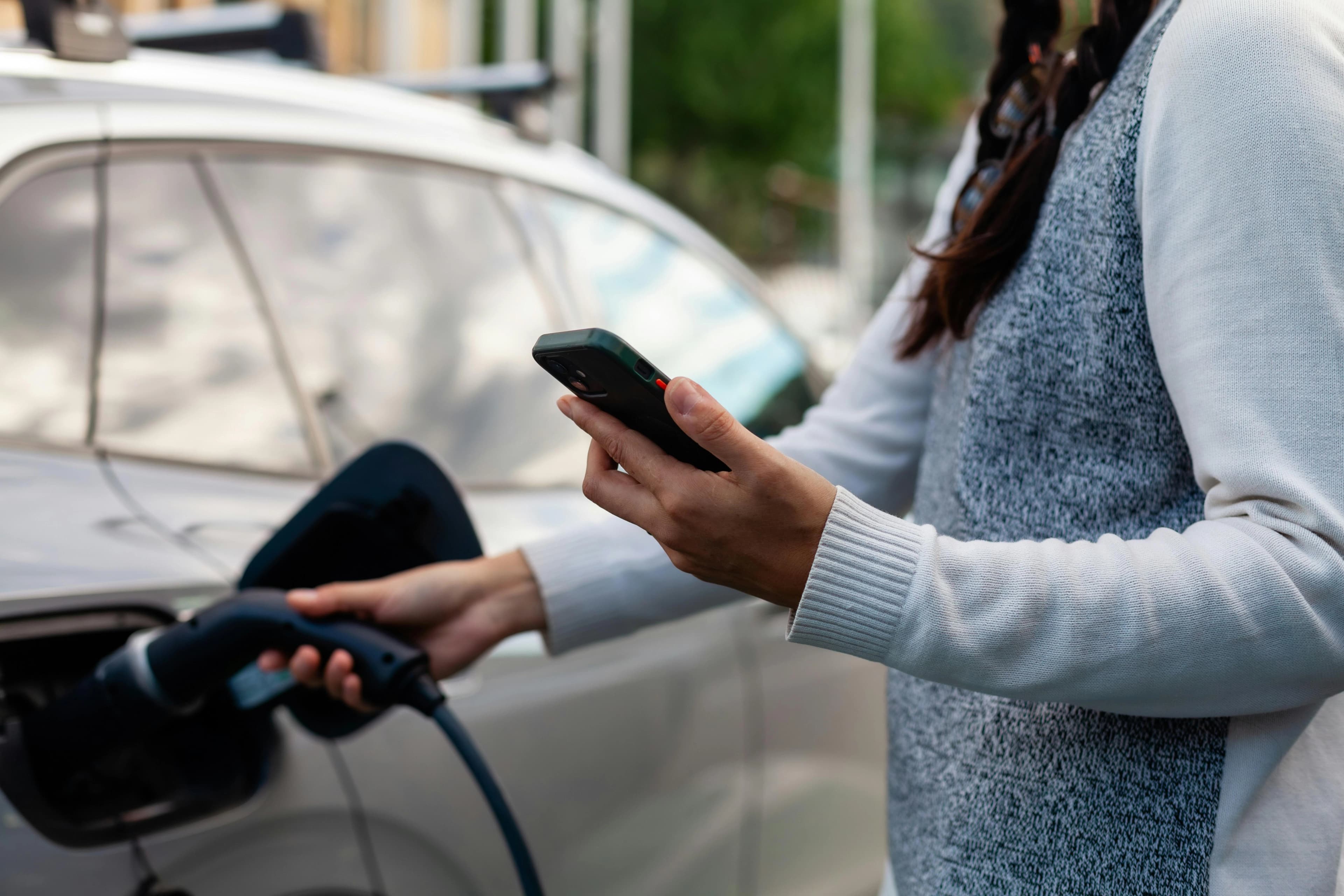
While the entire automotive world has been screaming about the North American Charging Standard (NACS) and Tesla’s connector conquering the world, a group of engineers has been quietly gathering in parking lots across California and Michigan to solve the real problem with EV charging.
It’s not the plug. It’s the handshake.
If you drive a non-Tesla EV, you know the "Plug and Pray" dance. You pull up to a Charger, plug in, and wait. The car talks to the charger. The charger talks to the cloud. The cloud talks to your credit card. The charger talks back to the car. And then... "Connection Error." You unplug, replug, open the app, hop on one foot, and try again. It is a miserable, friction-filled experience that NACS alone does not fix. A Tesla plug on a Ford doesn't magically fix the backend software mess.
But that might be changing. For the past month, there has been quiet, large-scale testing of a new, multi-automaker handshake protocol. This isn't just a software patch; it’s a fundamental rewrite of the "Plug & Charge" standard (ISO 15118) that has promised so much and delivered so little.
Sources close to the testing indicate that this new protocol—tentatively dubbed "Universal Auth"—bypasses the legacy credit card pre-authorization loops that cause 40% of charging failures. Instead, it utilizes a token-based system embedded directly in the vehicle's hardware security module.
Here is why this matters: Speed. Currently, a handshake at a standard Electrify America or EVgo station can take 45 to 60 seconds. The new protocol is clocking in at under 5 seconds. You plug in, and the electrons flow almost instantly. It mimics the Tesla Supercharger experience but does it across different networks and different car brands.
The testing involves a "Red Team" of engineers from three major automakers (rumored to be Ford, BMW, and Hyundai) and two major charging networks. They have been deliberately trying to break the system—plugging in with low batteries, dead 12V batteries, spotty cell service, and interrupted sessions. The success rate is reportedly hovering near 99%, a number that current public charging networks can only dream of.
What is fascinating is the silence. No press releases. No splashy announcements. Why? Because the industry has been burned before. They promised Plug & Charge would work years ago, and it turned into a fragmented mess where a Mustang Mach-E worked at one station but not another, while an ID.4 required a different app entirely. They want this to be bulletproof before they say a word.
This protocol also tackles the "roaming" nightmare. Right now, your charging account is often siloed. This new handshake layer acts as a clearinghouse, effectively letting your car be its own credit card that works everywhere. It is the technical equivalent of your phone switching from Verizon to a partner tower without you knowing.
If this testing holds up, 2026 could be the year charging stops being a tech support ticket and starts being a utility. The headlines are all about the shape of the plastic connector, but the real revolution is happening in the invisible code running through the cable. The NACS connector is just the hardware; this protocol is the nervous system that might finally make it work.