The Rumored Return of Fun, Cheap Gas Cars
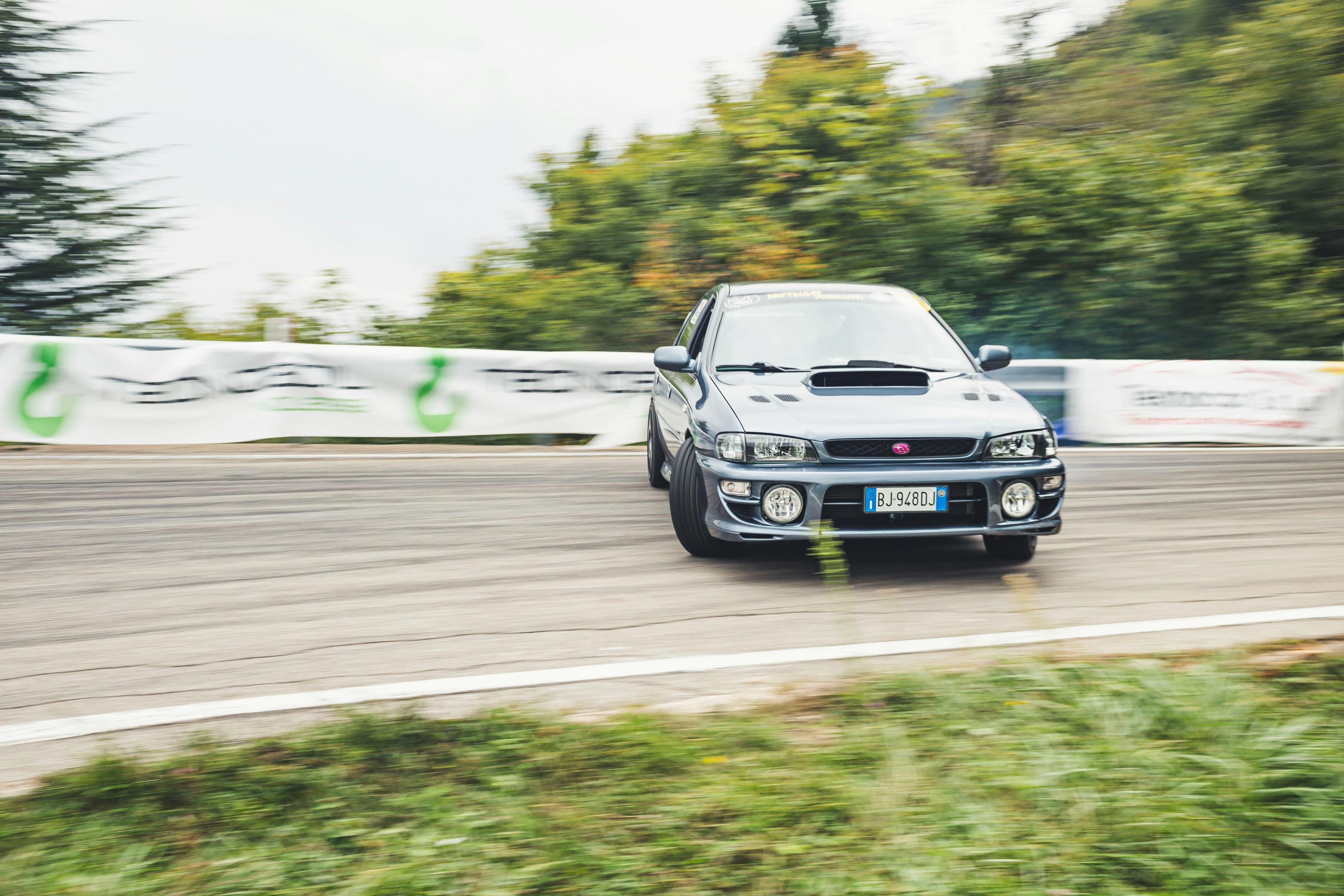
Something interesting is bubbling up in automotive circles, and it goes against everything we've been told about the inevitable electric future. There are growing whispers—admittedly still in rumor territory—that buyers might be developing a renewed interest in small, affordable performance cars with good old-fashioned internal combustion engines.
The catalyst appears to be what industry observers are calling EV fatigue. As electric vehicle prices remain stubbornly high, charging infrastructure continues to lag in many areas, and range anxiety persists as a real concern, some buyers are reportedly looking backward rather than forward. And what they're finding is that lightweight, engaging ICE sports cars still deliver something many EVs fundamentally can't: visceral driving pleasure at accessible prices.
Toyota seems to be reading the room. The company recently confirmed work on reviving legendary nameplates like the Celica and MR2, and teased the Yaris M concept at Tokyo Auto Salon. Chief Technology Officer Hiroki Nakajima confirmed a new Celica is in development, and an MR2 teaser appeared in Toyota's Grip anime series. These aren't exactly subtle hints.
The GR Yaris M Concept, revealed for racing homologation purposes, features a mid-mounted 2.0-liter turbo engine currently under development. Toyota is putting this thing through Super Taikyu endurance racing to develop and refine the platform. That's the kind of old-school engineering approach that suggests they're serious about performance ICE vehicles, not just paying lip service to enthusiasts.
To be clear, the hot hatch segment hasn't disappeared entirely. The current GR Yaris remains brilliant and relatively affordable at just over forty thousand dollars. The Honda Civic Type R continues to set benchmarks for front-wheel-drive performance before its imminent discontinuation. The Volkswagen Golf GTI just released its Edition 50, described as the most hardcore, driver-focused Golf since the Mk7 Clubsport S.
But here's what's shifted: these cars are starting to look like better value propositions compared to entry-level EVs. While electric vehicles promise lower running costs, their higher purchase prices, rapid depreciation, and concerns about battery longevity are giving buyers pause. Meanwhile, proven ICE platforms with established reliability, mature technology, and extensive service networks offer predictable ownership experiences.
EVs depreciate massively in their first year—anywhere from 30 to 50 percent—while mass-market ICE vehicles generally lose value more slowly. A recent Stanford study found that EV batteries last about 40 percent longer than previously thought, potentially adding 200,000 miles to their lifespan, but that hasn't translated to consumer confidence yet. People trust what they know, and what they know is internal combustion.
The performance angle matters here. Electric vehicles deliver instant torque and impressive acceleration, but they're heavy, often expensive, and lack the mechanical engagement many enthusiasts crave. A lightweight ICE sports car weighing 2,800 pounds with a responsive manual transmission offers a fundamentally different driving experience than a 4,500-pound EV with one-pedal driving, regardless of which posts better acceleration numbers.
Toyota is explicitly exploring synthetic fuels to extend the life of ICE models, while simultaneously investing in electric sports cars like the FT-Se concept. The message is hedging bets—developing both pathways rather than committing entirely to electrification. That's telling about their confidence in predicting buyer preferences five to ten years out.
Now, let's pump the brakes on expectations. This isn't evidence of some mass rejection of electric vehicles. EV sales continue growing globally, charging infrastructure keeps expanding, and battery technology improves annually. The fundamental trajectory toward electrification hasn't changed, and governments worldwide remain committed to phasing out ICE vehicles in coming decades.
What we might be seeing instead is market segmentation. The vast majority of buyers will transition to EVs for daily transportation as prices fall and infrastructure improves. But a niche segment—enthusiasts, driving purists, people who prioritize engagement over efficiency—may sustain demand for lightweight performance ICE vehicles as a secondary enthusiast category rather than primary transportation.
The cynical interpretation is that manufacturers are simply trying to milk remaining ICE profits before the inevitable transition. The optimistic view is that they're recognizing genuine ongoing demand for mechanical driving experiences that electric powertrains can't replicate. The realistic take is probably somewhere between—there's a business case for small-volume performance ICE cars serving enthusiast niches while mainstream products go electric.
We're not witnessing some grand reversal of electrification trends. But we might be seeing the emergence of a parallel track where affordable, engaging ICE performance cars carve out a sustainable niche for buyers who prioritize driving pleasure over environmental credentials. Whether that niche proves large enough to support multiple manufacturers remains an open question. Toyota seems willing to bet that it does. Time will tell if they're prescient or just nostalgic.