The Rivian R2 Trap: Why Buying Early Might Be a Huge Mistake
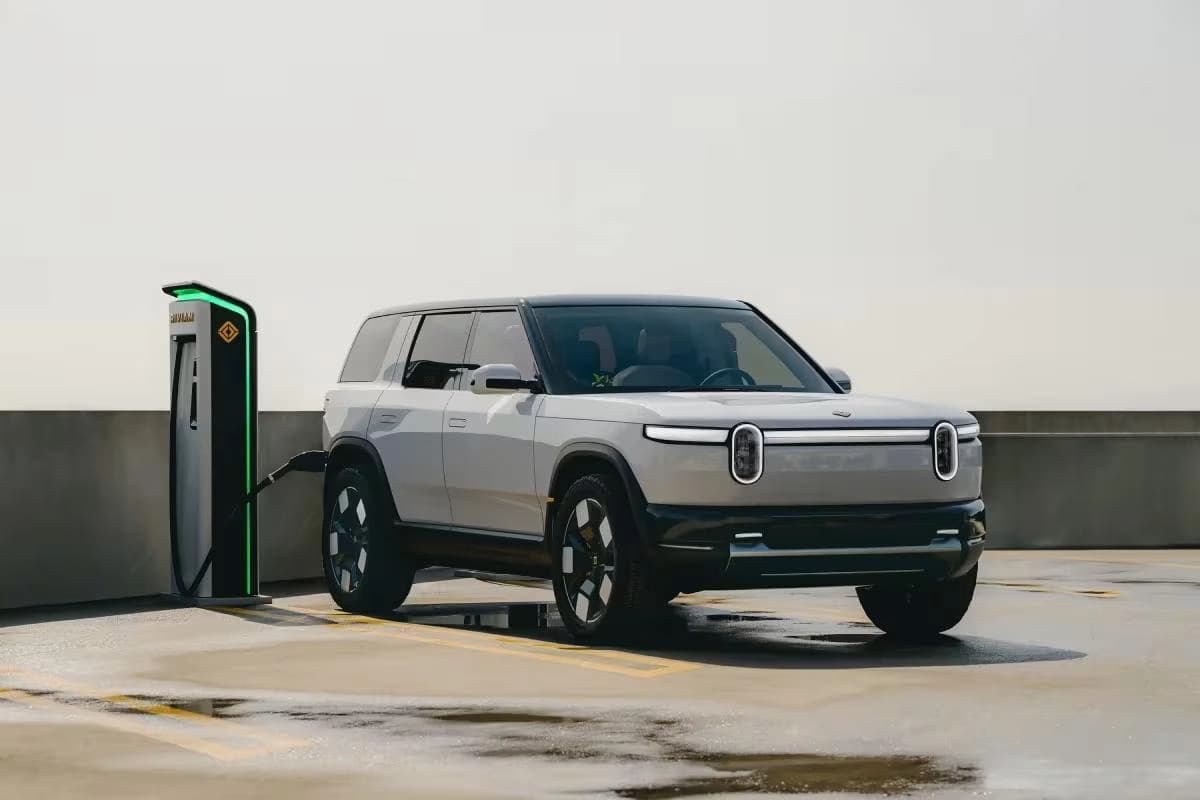
Image courtesy of Rivian
If you have been holding onto a Rivian R2 reservation for the last two years, dreaming of your affordable adventure mobile, I have some good news and some very bad news. The good news is that the R2 is finally launching in early 2026. The factory lines are moving, the metal is being stamped, and deliveries are imminent. The bad news? You probably shouldn’t buy one yet.
In a move that is baffling industry analysts and enraging forum dwellers, Rivian has confirmed a split-launch strategy that effectively punishes its most loyal early adopters. The R2 units rolling off the line right now—the ones hitting driveways in "Early 2026"—are equipped with what Rivian calls "Gen 2" autonomy hardware. This means the car you buy today is hardware-locked to the capabilities of yesterday.
Here is the kicker: Rivian has also confirmed that "Gen 3" hardware is coming to the R2 in late 2026 models. This updated suite includes the long-promised LiDAR units, higher-resolution cameras, and most importantly, the new heavy-duty Nvidia compute silicon required for true eyes-off autonomy in the future. And no, you cannot retrofit it. If you take delivery of an R2 in March, you cannot upgrade it in December. You are stuck with the "dumb" version of the smart car.
This is a textbook example of the "Osborne Effect"—announcing a better future product while trying to sell the current one. The term comes from the Osborne Computer Corporation, which famously went bankrupt in the 80s after announcing a new model so far in advance that nobody bought the current one. Usually, companies try to hide the future product to protect current sales. Rivian just put it on a billboard.
Why would they do this? It’s likely a supply chain necessity. The new sensor stack and compute modules probably weren’t ready for volume production, and delaying the R2 again would have tanked the stock price. Rivian needs cash flow. They need to deliver cars to show Wall Street that the R2 is real. So, they are launching with what they have—the leftover parts bin from the R1 refresh.
For the average buyer who just wants a cool electric SUV to drive to Whole Foods, this might not matter. The Gen 2 system is still very capable—it’s the same stack found in the current R1T, which offers excellent highway assist and safety features. The R2 itself is a stunner: great range, clever storage, and that signature Rivian face that everyone loves.
But for the tech-forward buyers that Rivian specifically targets? This is a dealbreaker. Buying an EV in 2026 that lacks the hardware for the next generation of self-driving features is like buying an iPhone the week before the new model drops, but for $50,000. It kills the resale value immediately. Imagine trying to sell your "Gen 2" R2 in three years when the "Gen 3" versions are driving themselves to the grocery store. Nobody will want your car.
It puts buyers in an agonizing position. Do you take delivery now and enjoy the car you’ve been waiting years for? Or do you delay your order, risk a potential price hike (because let's be honest, EV prices are volatile), and wait another 6-9 months for the "real" version?
Rivian is building incredible vehicles. The culture, the branding, and the capability are all top-tier. But this launch strategy is a mess. It treats early adopters—the people who kept the company afloat with their deposits—as beta testers for the manufacturing line. If you can wait until the leaves turn brown this fall, you absolutely should. Let the influencers have the Launch Editions. You want the one that can actually see the future.