The Return Of The Electron: $100 Oil Is Making EVs Look Good Again
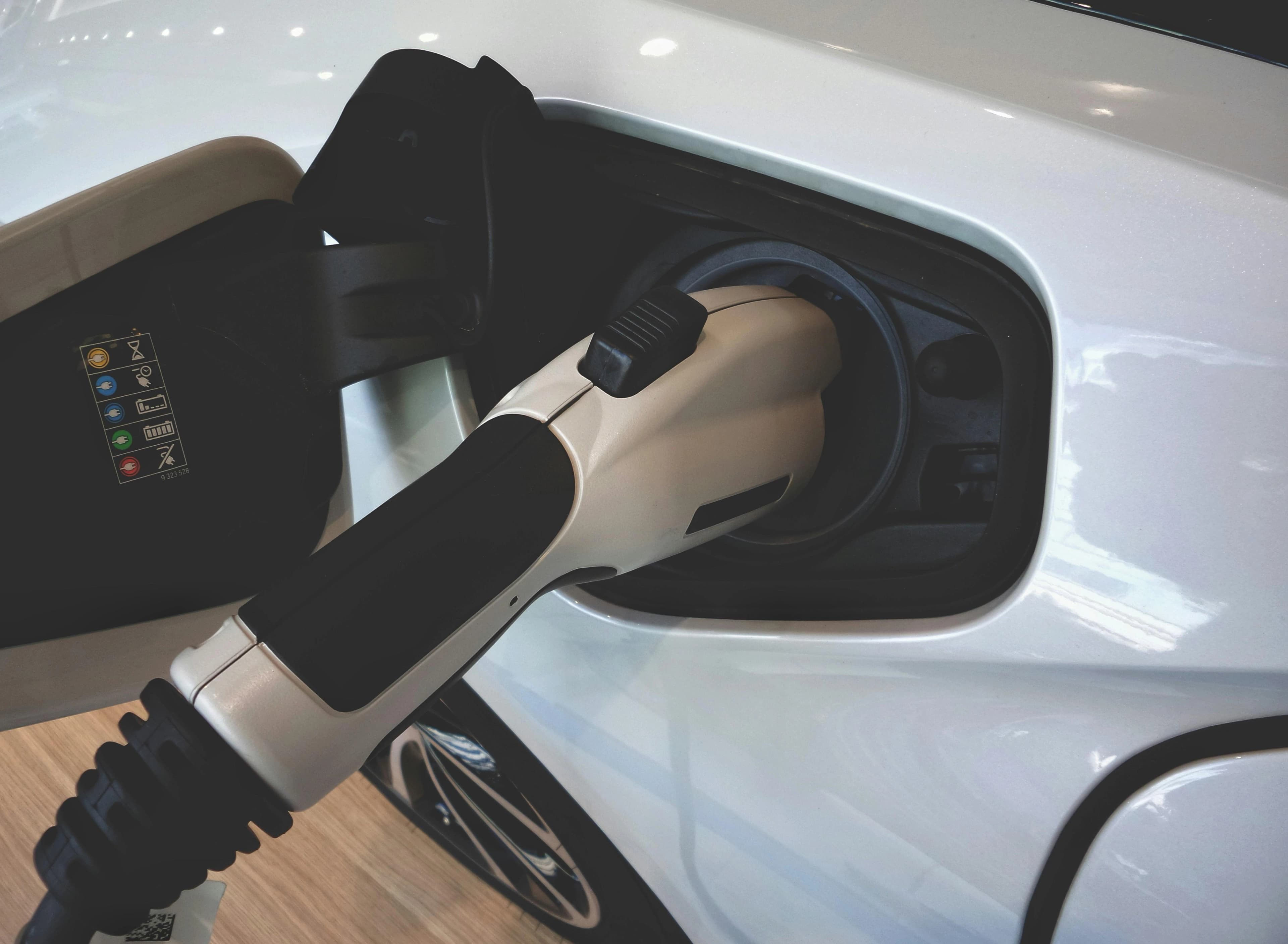
It was only a few months ago that the collective automotive industry seemed to be taking a long, deep breath and deciding that maybe the whole electric revolution could wait a bit. Headlines throughout late 2025 were dominated by stories of slowing demand, scaling back production targets, and a general return to the comforting, thrumming embrace of internal combustion. But if history has taught us anything, it is that the global energy market has a very cruel sense of irony. On March 18, 2026, that irony is hitting American wallets at about 102 dollars per barrel.
The current geopolitical situation in the Middle East, specifically the tensions surrounding the Strait of Hormuz, has sent crude oil prices screaming past the triple-digit mark for the first time in years. While the political maneuvers are complex, the result at the local Shell station is remarkably simple: gas prices are up nearly 10 percent in just two weeks. In California, the average is already flirting with five dollars and fifty cents per gallon. Suddenly, that electric crossover with the weird door handles and the silent motor is starting to look a lot less like a futuristic experiment and a lot more like a financial life raft.
Data from major shopping platforms like Edmunds shows that consumer interest in electrified vehicles—a bucket that includes hybrids, plug-in hybrids, and full battery-electric models—has spiked to nearly 24 percent of all research traffic this week. This is the highest level of interest we have seen so far in 2026. It turns out that nothing motivates a car buyer quite like the physical pain of watching a digital readout at the pump climb past eighty dollars for a fill-up. The narrative that the EV is dead has been replaced, almost overnight, by a desperate scramble for anything that can travel fifty miles on a few cents' worth of grid power.
Manufacturers who kept their hybrid programs on life support are looking like geniuses today. Toyota and Honda are seeing a massive influx of inquiries for vehicles like the Prius and the CR-V Hybrid because these cars offer the most immediate relief without requiring the buyer to install a Level 2 charger in their garage. The hybrid remains the perfect middle ground for the cautious consumer who is tired of being held hostage by global oil futures but isn’t quite ready to map out their life around charging station locations.
However, the shift back to electricity is not without its hurdles. While the desire to ditch the pump is high, the cost of entry remains a significant barrier. New vehicle prices are still hovering around record highs, and the average interest rate for a new car loan is sitting at a stubborn 7 percent. This creates a difficult calculation for the average family. Does it make sense to trade in a paid-off SUV that gets 20 miles per gallon for a brand-new EV with a seven-hundred-dollar monthly payment? For many, the math only works if gas prices stay this high for the long haul.
This is where the used market might actually save the day. In 2026, we are seeing a significant wave of off-lease electric vehicles hitting the secondary market. These are cars that were leased during the initial EV boom of 2023 and 2024, and they are now available at much more palatable price points. For shoppers looking to jump into the electric deep end without drowning in debt, these used options are the most logical path forward. If you are browsing these listings on OptiCar, you can find millions of vehicles nationwide to compare. To make sure you aren't buying someone else’s battery-powered headache, using a tool like Price360 can give you a full AI-driven visual inspection and a comprehensive history report so you know exactly what you are getting into before you sign on the dotted line.
The automotive industry is currently navigating a period of intense transition. Manufacturers are balancing the need to satisfy immediate demand for fuel-efficient vehicles while dealing with the long-term challenges of battery supply chains and infrastructure. It is a high-stakes game of musical chairs where the music is played by oil speculators and the chairs are replaced by charging ports. While the road ahead is uncertain, one thing is clear: as long as oil stays in the triple digits, the electric motor is going to be the most popular kid in the showroom.
The current surge in EV and hybrid interest is a reflection of a market that is increasingly sensitive to the volatility of fossil fuels. While some predicted a permanent retreat to internal combustion, the reality is that the transition to electrification is less like a straight line and more like a series of waves. Right now, a very large wave just hit the shore, and it smells like ozone instead of unleaded.