The Range Rover GT Is Here and It Looks Like a Polestar With a British Accent
The luxury brand is adding a fifth family member that trades a high seating position for sleek grand touring proportions and a very French screen layout.
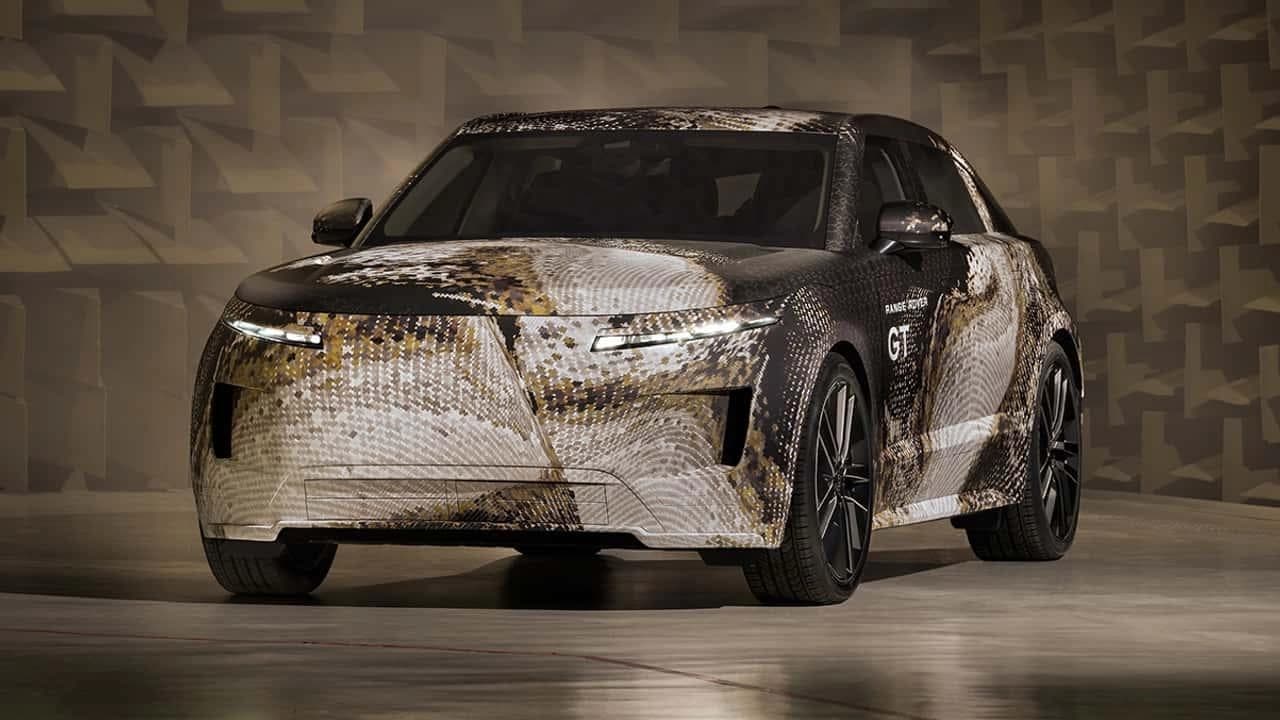
Image courtesy of Range Rover
Just when you thought the automotive landscape was permanently locked into an endless cycle of taller, heavier, and more imposing SUVs, the designers in England decided to throw a curveball. Range Rover has officially unveiled its fifth standalone family member, and it is not another boxy vault designed to tower over traffic at the local country club. It is called the Range Rover GT, and the company is calling it an all-electric grand tourer. In plain terms, this is the closest we have seen the luxury brand get to building a genuine passenger sedan or a sleek long-roof wagon. If you squint, it looks like a high-riding hatchback with a fastback silhouette that brings vehicles like the Polestar 4 to mind. It sits lower than the compact Evoque but stretches as long as a Range Rover Sport, which means we are looking at a long, lean, and low-slung road cruiser that values aerodynamic slickness over pure vertical presence.
The foundation of this low-riding cruiser is the new Electric Modular Architecture, a platform designed from the start to handle battery power and dual-motor all-wheel drive. It will be assembled at the historic Halewood plant in the United Kingdom, where the small crossover siblings have traditionally been built. While the initial launch is focused entirely on battery-electric power, Range Rover has dropped hints that hybrid configurations will follow later in the lifecycle. That is likely a smart move given current market realities, but the main story here is the styling and packaging. This is a dramatic departure from what the brand has built for the last half-century. Instead of a traditional high-riding position that makes you feel like you are driving a fortress, the GT is built to ride much closer to the pavement. It features four frameless doors, a steeply raked windshield, and a rear deck that tapers down in a way that suggests high-speed stability on the highway rather than crawling over rocks on a mountain trail.
Step inside the cabin, and you will find that the team has completely ripped up the traditional luxury rulebook. If you were hoping for acres of polished walnut and heavy leather hides, you might want to look elsewhere. Land Rover has gone full minimalist inside the GT under a design philosophy they describe as reductive. What that means in practice is a nearly complete absence of physical buttons. Almost every adjustment, from climate controls to driving modes, has been shifted into a single large central screen. Even the traditional gear selector on the console has been tossed aside in favor of a stalk mounted on the steering column. The physical aesthetic is dominated by sustainable woven textiles wrapped across the dashboard and door panels, which even hide the audio speakers to keep the visual clutter to an absolute minimum.
Perhaps the most surprising detail is the steering layout, which looks less like a classic British cruiser and more like a modern French hatchback. The steering wheel itself has shrunk to a remarkably small size, and the traditional instrument cluster behind the wheel is gone. In its place, Range Rover has mounted a small secondary display high up on the dash, positioned so the driver looks over the steering wheel rim to read it. This is a design philosophy popularized by Peugeot, and while it does clean up the sightlines, it is a bold stylistic choice for a brand built on traditional luxury. There is also a single giant horizontal vent stretching across the entire width of the dashboard. For seating, the default setup is a comfortable four-character cabin with individual rear buckets and massive amounts of legroom, though a standard five-seat configuration will also be available.
Whether buyers will embrace a low-slung, electric touring machine from a brand synonymous with massive off-roaders remains to be seen. Modern Range Rovers have always been incredibly capable, but they are also heavy and tall. Moving toward a sleeker, more car-like shape could give the electric transition a much-needed boost in aerodynamic range while giving driving enthusiasts a luxury option that actually handles corners with some dignity. Prototypes are currently wrapping up their validation testing in camouflage, and the manufacturer promises to reveal pricing and technical details later this year. It is a fascinating risk, and one we will be watching very closely.