The Only Thing Detaching From Your Jeep Should Be the Doors, Not the Wheels
A recall of brand new Wranglers and Gladiators shows that even the most trusted, no-nonsense utility wheels can crack and escape your truck while you are driving.
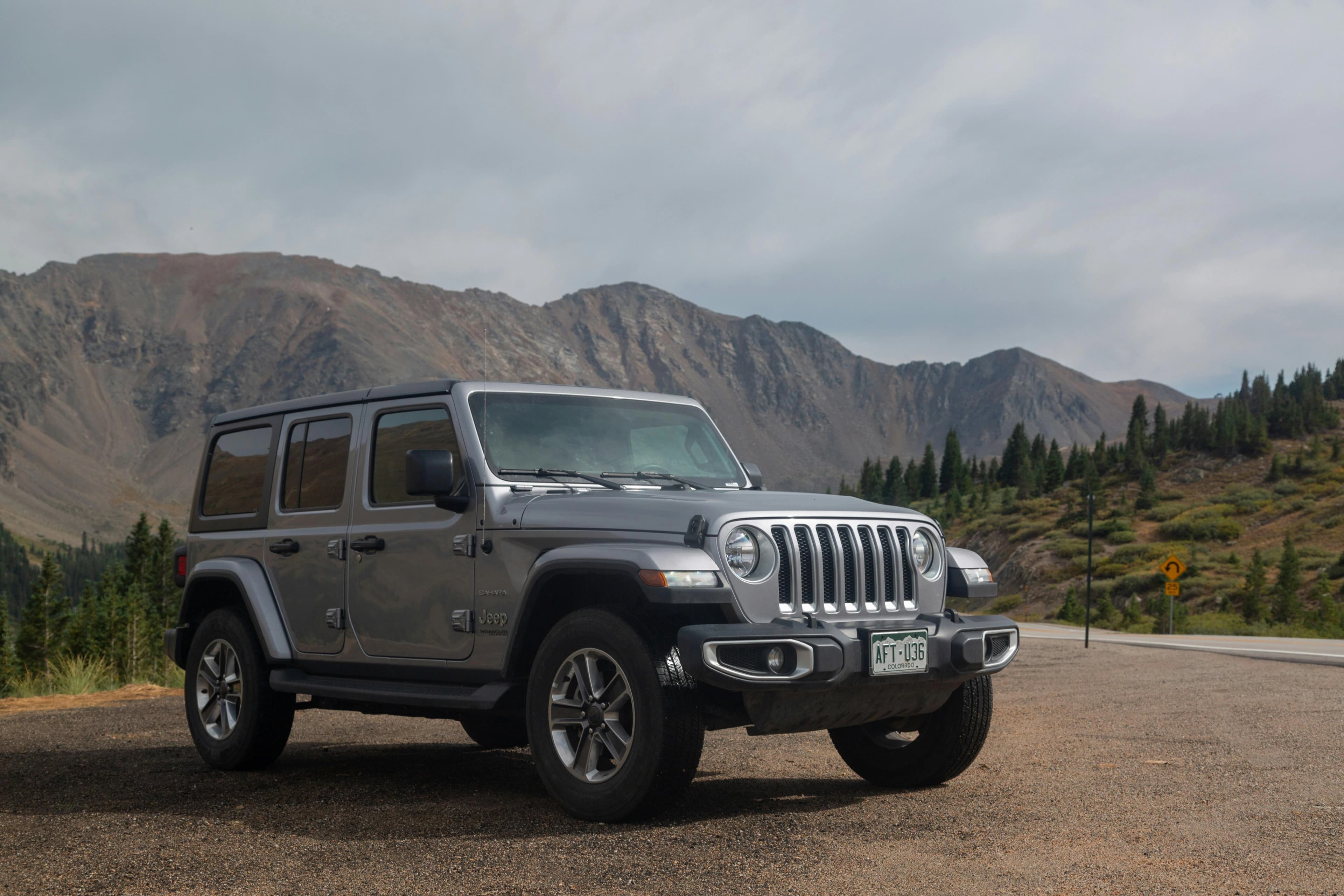
In the hierarchy of automotive components, few things are as universally trusted as the humble steel wheel. Enthusiasts love steelies because they are rugged, affordable, and practically immune to the structural cracking that can ruin fancy alloy wheels on a rocky trail. If you bend a steel wheel, you can often knock it back into shape with a heavy hammer. For decades, ordering a base-model Jeep Wrangler or Gladiator with basic black steel wheels was a badge of honor, proof that you cared about actual dirty trail work rather than highway status. However, a major new recall from Stellantis shows that even the most basic metal brackets are not immune to manufacturing slip-ups. Certain brand new Jeep vehicles are being recalled because their steel wheels were manufactured with wall thicknesses that are simply too thin to survive regular driving.
According to the official database of the National Highway Traffic Safety Administration, the safety campaign covers certain Wrangler and Gladiator models from the brand new 2026 model year. The issue is as serious as it sounds. The metal walls of these steel wheels do not have enough material depth to handle the intense stresses of supporting a heavy, solid-axle off-road machine. Under the daily pressures of highway commuting and trail riding, these thin-walled wheels can develop rapid fatigue cracks. If left ignored, those cracks can propagate right through the rim center, resulting in the entire wheel detaching from the axle assembly while the vehicle is in motion. Losing a wheel at highway speeds is an absolute nightmare scenario for any driver, turning a rugged utility truck into a heavy projectile with zero steering control.
While the thought of a heavy steel wheel shearing off from your shiny new rig is terrifying, the manufacturer reports that the issue is limited to a specific window of production where the supplier used incorrect metal specifications. It is a painful reminder that even in an era of advanced computer-aided engineering and automated assembly, basic metal stamping can still fall victim to simple quality control oversights. For a brand like Jeep, which trades heavily on its reputation for mountain-conquering durability, having the most iconic wheel design fail under normal load is a tough pill to swallow.
Fortunately, the remedy is relatively straightforward, if a bit inconvenient for new owners. Under the federal safety campaign, authorized Jeep dealerships will inspect the steel wheels on affected Wranglers and Gladiators. If they find the suspect thin-walled metal, they will replace the entire wheel assembly and the matching tire valve stems completely free of charge. Official notification letters are expected to go out to owners in early September, but concerned drivers can check their vehicle identification numbers on the federal portal starting in late July. It is a simple fix, but it means taking your trail rig back to the service bay before you can comfortably air down for a weekend on the rocks.
This kind of manufacturing hiccup is exactly why we emphasize the importance of keeping a close eye on safety bulletins and vehicle history. If you are shopping the used market for a slightly older, trusty Jeep, or trying to find a reliable companion for your outdoor adventures, knowing where a vehicle has been is crucial. If you are buying a used Jeep from a private seller, using a tool like OptiCar Reports can give you peace of mind. Our visual inspection reports can help you catalog external wear, panels, and hidden cosmetic issues to make sure your potential new ride is in the shape the seller claims.
At the end of the day, modern manufacturing is a balancing act of tight tolerances, global supply chains, and constant cost pressures. Jeep will undoubtedly iron out this supplier issue and get these rugged machines back to full health. Until then, base model buyers should probably keep the radio volume turned down just enough to listen for any unusual clicking or cracking sounds coming from the wheel wells. Safety recalls are a normal detail of modern car ownership, but losing an entire wheel is one we can all do without.