The Nanny State is Coming for Your Gas Pedal
If you enjoy the freedom of cruising down an empty highway at 72 mph in a 65 mph zone without your car screaming at you, enjoy it while it lasts. A draft proposal from the National Highway Traffic Safety Administration (NHTSA) leaked late last night, and it outlines a roadmap for implementing mandatory Intelligent Speed Assistance (ISA) in all new passenger vehicles sold in the United States by the 2029 model year.
Now, before you start welding armor plating to your 2004 Corolla in protest, let’s look at the details. The proposal reportedly does not call for a hard speed limiter that cuts engine power—at least, not yet. Instead, it favors the "passive-aggressive" approach currently used in the European Union. If you exceed the posted speed limit, the car will emit a cascading series of auditory warnings and visual flashes on the dashboard. It is essentially a backseat driver that you cannot kick out of the car.
The logic from a safety standpoint is undeniable. Speeding is a factor in a massive chunk of traffic fatalities. If you can annoy people into slowing down, lives will be saved. That is the math. But from an enthusiast's perspective, or just the perspective of anyone who has ever driven in the flow of traffic on I-95, this sounds like a nightmare.
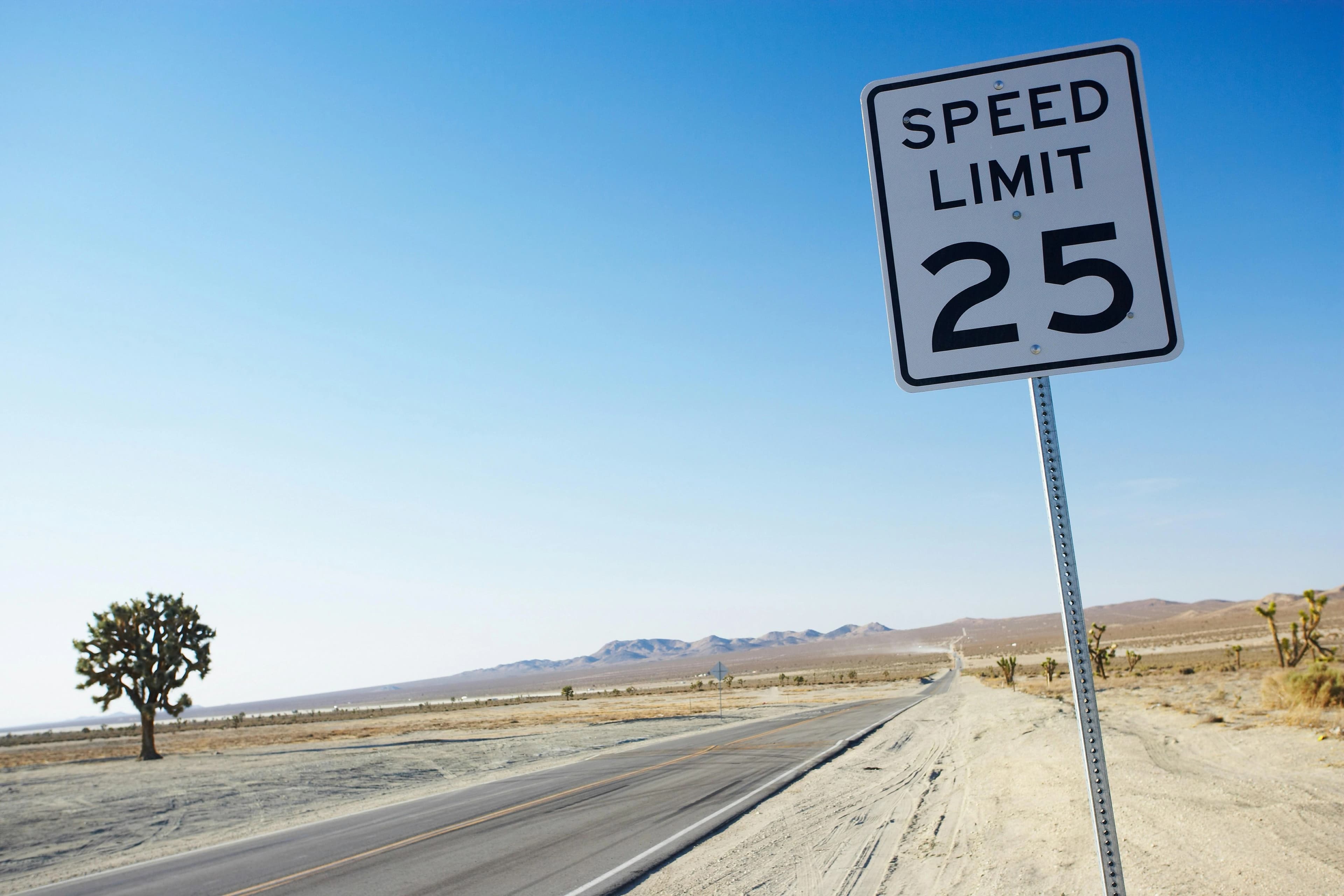
The technology relies on camera-based sign recognition and GPS data to know the speed limit. The problem, as anyone with a modern car knows, is that these systems are frequently wrong. I drove a test car last week that was convinced a school zone sign from a parallel service road applied to the interstate, causing the dashboard to flash "25 MPH" while I was legally doing 70. Under this new proposal, that glitch would result in your car beeping at you incessantly until the system realized its mistake.
There is also the "freedom" argument, which is going to be the main battleground for this legislation. Americans have a very different relationship with the open road than Europeans do. We view the car as the ultimate expression of liberty. Having a federally mandated algorithm chirp at us for keeping up with traffic flow feels like an overreach.
The manufacturers are likely to push back, not because they hate safety, but because they hate annoying their customers. No one wants to sell the car that people complain about. If a Ford F-150 beeps at its owner every time they pass a slower truck, that owner is going to buy a Chevy—unless the Chevy does it too. That is why a mandate is the only way this tech happens; it forces everyone to jump into the pool of annoyance together.
It is worth noting that this is still a draft proposal. There will be public comment periods, lobbying from SEMA, and likely a few lawsuits before this becomes law. But the writing is on the wall. The days of the car being a passive machine that does exactly what you tell it to do are fading. The car of the future will have an opinion on your driving, and it will not be shy about sharing it.
For those of you in the market for a used vehicle, this might be the time to ensure you know exactly what tech is onboard. A service like Price360 can scan the vehicle history and specs to tell you exactly what driver-assist systems are installed, so you don’t accidentally buy a car that thinks it knows better than you do.