The Modern Spare Tire Problem: Why Your New Car Left You Stranded
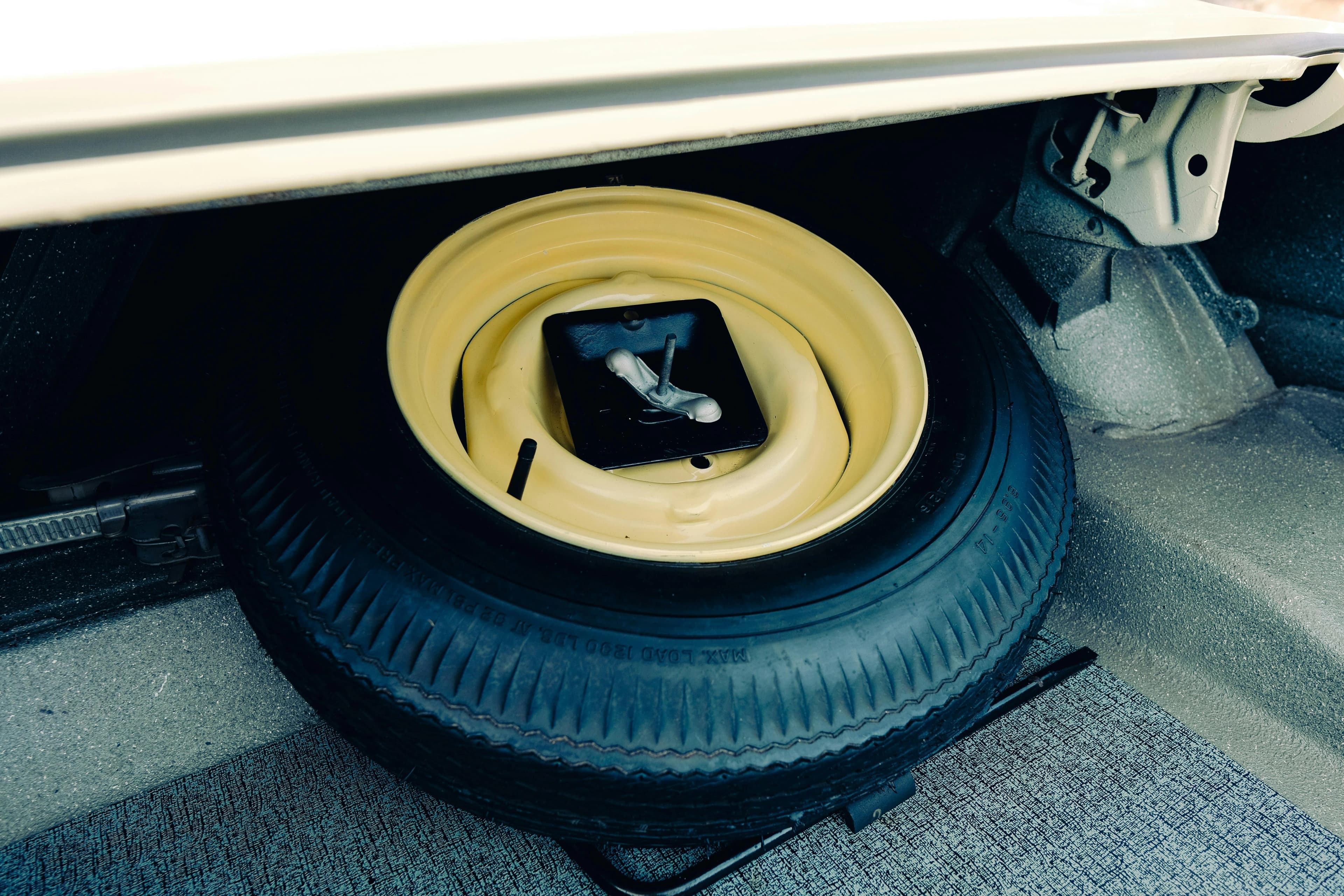
Imagine you are driving home on a rainy Tuesday night in mid-December. You hit one of those mid-winter potholes that feels like it was engineered by a vengeful deity. The "low tire pressure" light flashes, and the telltale rhythm of a flat begins to vibrate through the floorboards. You pull over, pop the trunk, and lift the carpet, expecting to find a trusty donut spare. Instead, you find a small plastic box containing a 12-volt compressor and a bottle of white sealant that looks suspiciously like school glue. This is the reality for nearly 60 percent of new car buyers in 2025, and for many, the realization comes far too late to do anything about it.
The disappearance of the spare tire is a trend that has been simmering for a decade, but it has reached a boiling point this year. Automakers point to two primary justifications for the omission: weight and space. In the high-stakes world of fuel economy and EV range, every pound is a political statement. A traditional spare tire, jack, and iron set can weigh anywhere from 30 to 50 pounds. By ditching that dead weight, manufacturers can squeeze out an extra fraction of a mile-per-gallon or add a few miles of EPA-rated range to an electric vehicle. For an EV, where the battery pack already consumes most of the real estate under the floor, removing the spare tire "well" also allows for better motor packaging or increased trunk depth.
However, the "tire repair kit" solution is a poor substitute for a physical wheel. These kits are only designed to fix small tread punctures from nails or screws. If you experience a sidewall tear, a large gash, or a bent rim—the most common results of hitting a pothole—the sealant is completely useless. Furthermore, once you inject that goo into your tire, you have likely ruined the Tire Pressure Monitoring System (TPMS) sensor, turning a simple patch job into a multi-hundred-dollar repair bill at the shop. Many drivers are finding that roadside assistance is not the magic bullet it is advertised to be either. With the holiday rush in full swing, wait times for a tow truck in major metro areas can exceed three hours, leaving families stranded in the cold for a problem that used to take fifteen minutes to solve with a jack.
The industry has tried to bridge the gap with run-flat tires, particularly on luxury models. While run-flats allow you to drive for about fifty miles after a puncture, they come with significant trade-offs. They are notoriously expensive to replace, they tend to have a harsher ride quality because of their stiff sidewalls, and they often wear out faster than standard rubber. In late 2025, we are seeing more consumers actively avoiding cars equipped with run-flats because they do not want to be tethered to a specific, expensive tire brand when it comes time for maintenance.
So, what is a buyer to do? The first step is to stop assuming. Before you sign the paperwork on that shiny new crossover, make it a point to physically check the trunk. Do not take the salesperson's word for it. If the car does not have a spare, check to see if there is at least a dedicated space for one. Many "modern spares" can be purchased as an accessory, and some brands like Toyota and Honda still offer them as a standalone option on most trims if you know to ask.
Ultimately, the spare tire problem is a classic case of corporate efficiency clashing with real-world utility. While removing the spare helps a manufacturer meet a regulatory target, it offloads the risk and the cost of a breakdown onto the consumer. In a year where we have more technology in our dashboards than the Apollo missions had in their entire capsules, it seems absurd that we are less prepared for a flat tire than a driver in 1955. If you value your time and your sanity, make sure your next car has five wheels, not four and a can of foam.