The Lincoln Navigator Has a Cracking Rear End, But Not in a Good Way
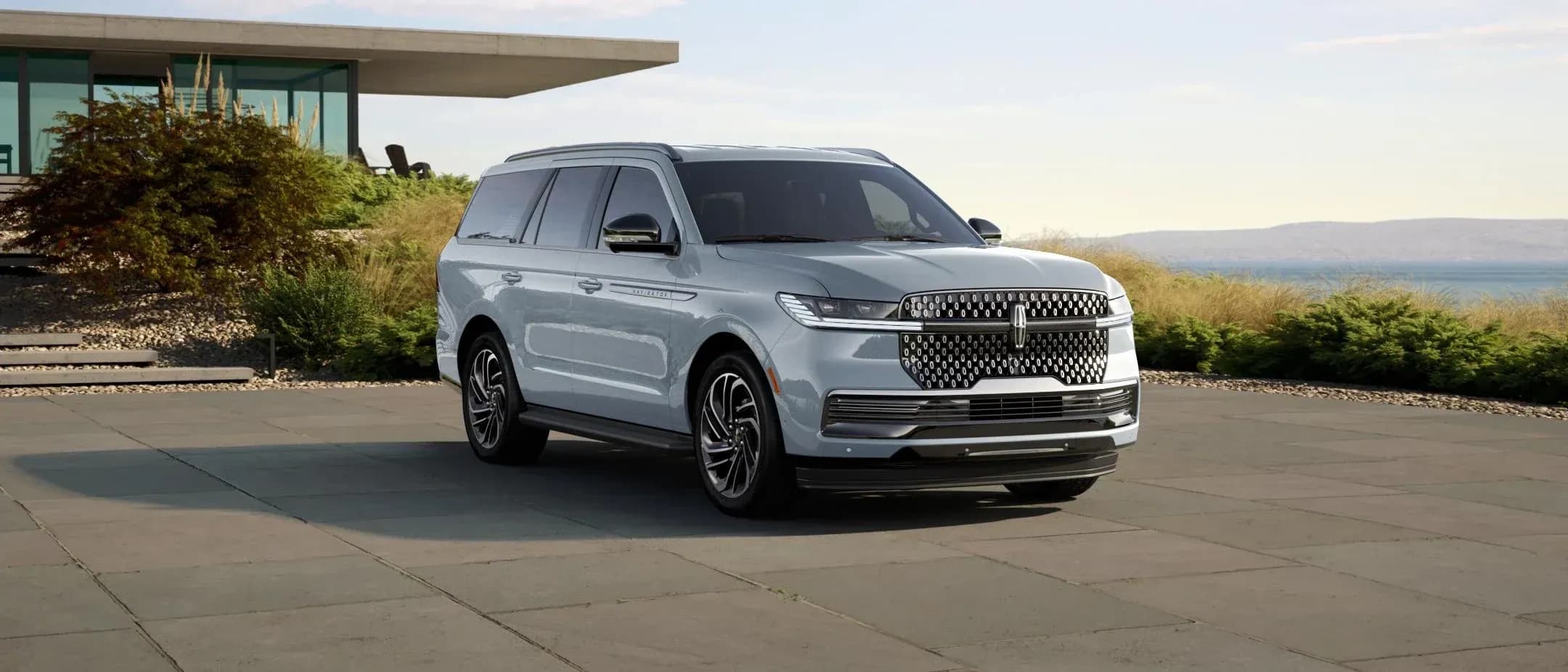
Image courtesy of Lincoln
There is something profoundly frustrating about buying a six-figure luxury SUV—a vehicle designed to isolate you from the uncouth realities of the world—only to have it succumb to a problem that sounds like it belongs on a budget toaster. Ford has issued a recall for the 2025 Lincoln Navigator, and the culprit isn't a complex piece of autonomous driving software or a transmission glitch. It is the rear lightbar. Specifically, the massive, spanning piece of illumination that screams "I have arrived" is apparently arriving cracked, thanks to some packaging mishaps during shipping.
According to the filings, the rear lightbar on these luxury leviathans can develop cracks because the packaging used to transport the parts wasn't quite up to the task of protecting them. Once cracked, the lightbar becomes a welcome mat for moisture. And as anyone who has ever owned a British car from the 1970s can tell you, electricity and water have a toxic relationship. The intrusion causes the reverse lights to flicker or fail entirely, which is not just annoying—it is a violation of federal lighting rules. When you are piloting a vehicle with the footprint of a small apartment, people really need to know when you are backing up.
This recall adds another line item to what has been a statistically heavy recall year for Ford. It highlights a fascinating, often overlooked aspect of automotive manufacturing: logistics. We tend to focus on the assembly line, the robots, and the design studios. We rarely think about the cardboard boxes and styrofoam inserts that shuttle components from supplier to factory. Yet, here we are. A flagship vehicle, the crown jewel of the Lincoln lineup, is being sidelined because the protective wrapper failed its one job. It is a humble, almost banal cause for such an expensive headache.
For the owner, the experience is jarring. You pay a premium for a Navigator to avoid hassle. You pay for the quiet confidence that everything has been thought through. To be told that your reverse lights might turn into a strobe light show because of "damaged packaging" feels a bit like finding a hair in your Michelin-star soufflé. It doesn't ruin the engineering of the car, but it certainly takes the shine off the ownership experience. It forces a trip to the dealership, a loaner car, and the mental load of wondering what else might have been jostled too hard in transit.
On the industry side, this is a reminder of the sheer scale of quality control. A car is a collection of thousands of parts, all of which have to travel thousands of miles before they even meet each other. If the packaging engineer has a bad day, the warranty department has a bad year. Ford’s challenge here isn’t just fixing the lights; it’s fixing the process. They have to ensure that the supply chain is as robust as the chassis. In a market where Lincoln is trying to re-establish itself as a tier-one luxury player against the Germans and the Japanese, these unforced errors are costly.
The fix, fortunately, is straightforward: replace the lightbar. But the optics are tricky. Ford has been vocal about its commitment to improving initial quality and reducing warranty costs. A recall driven by shipping damage feels like a stumble on the starting line. It is a solvable problem, certainly, but it serves as a stark reminder that in the automotive world, you are only as strong as your weakest cardboard box. Hopefully, the next batch of Navigators arrives with a little more bubble wrap and a lot less drama.