The Last Wall Falls: Stellantis Finally Joins the Supercharger Party
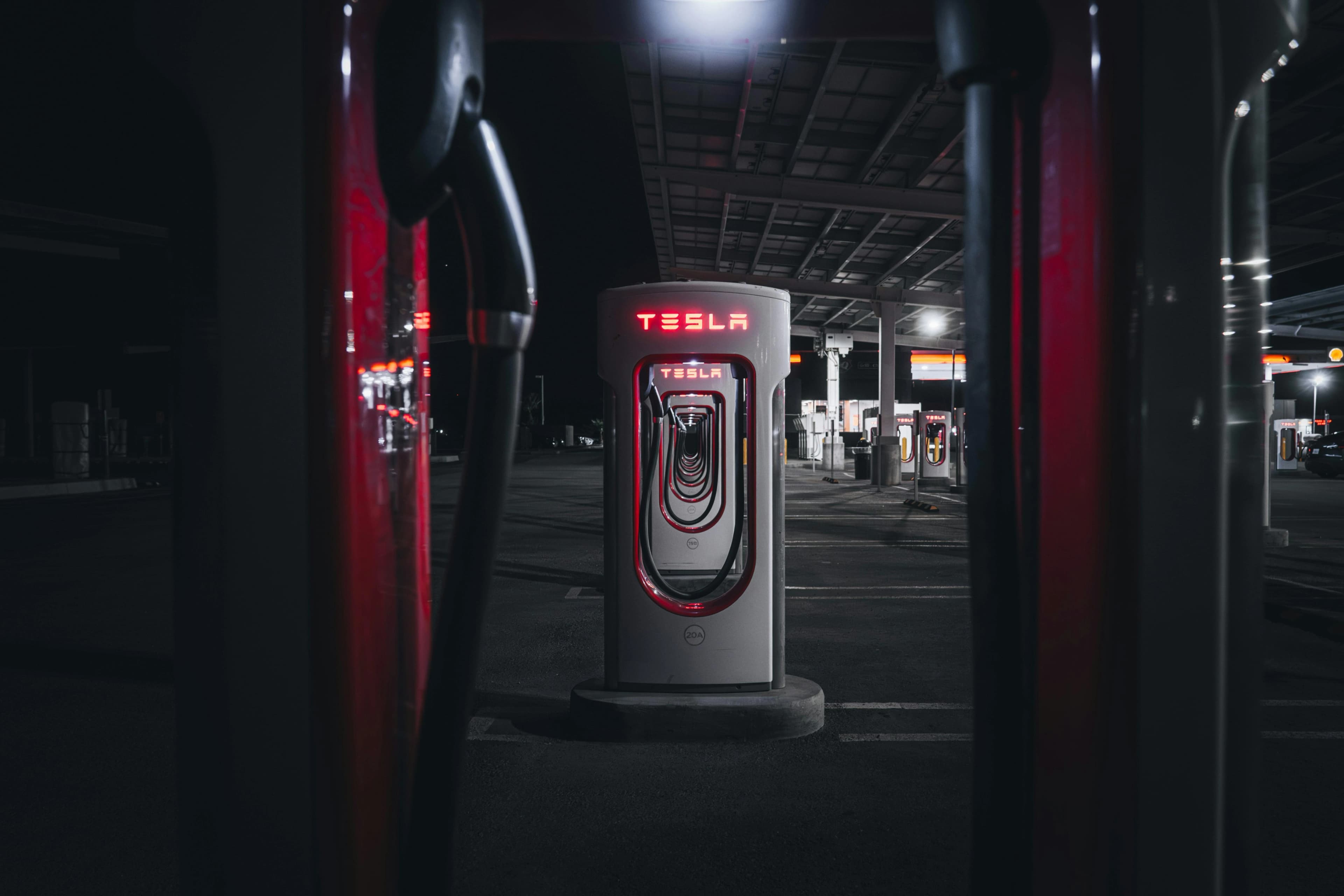
It’s official: the North American Charging System (NACS) has won the war. Stellantis—the massive parent company behind Jeep, Ram, Dodge, Chrysler, and Fiat—was the last major holdout in the great charging connector battle. But as of this month’s production run for Model Year 2026, the white flag has been waved.
Starting immediately, new units of the Dodge Charger Daytona and the upcoming Jeep Wagoneer S are rolling off the line with the native Tesla-style port built right into the fender. No more bulky adapters. No more fumbling with heavy, liquid-cooled CCS cables that look like they belong on a starship and feel like wrestling a python. Just the slim, elegant NACS plug that everyone else adopted two years ago.
This is massive news for anyone looking to buy a 2026 model. For the last year or so, Ford and GM owners have been enjoying access to the Tesla Supercharger network (albeit mostly with adapters), while Stellantis owners were stuck playing Russian Roulette with Electrify America stations, praying that the screens were working and the handshake protocols wouldn't fail.
But while this is a victory for convenience, it raises a new anxiety: congestion. The Supercharger network was the gold standard because it just worked. But it was also exclusive. Now, you’re going to have massive Ram 1500 REVs and electric Jeeps hogging the stalls alongside Model Ys and Rivians.
The Ram 1500 REV, in particular, presents a unique challenge. It has a battery pack so large (up to 229 kWh) that it practically has its own gravitational pull. Charging that behemoth from 10% to 80% is going to take a significant amount of time, even at peak speeds. Furthermore, there is the issue of voltage. Many current V3 Superchargers are limited in how fast they can charge 800-volt vehicles (like the new Dodge and Ram architecture). This means these new Stellantis vehicles might actually charge slower at a Tesla station than they would at a high-speed 350kW CCS station—if you can find one that works, that is.
If you’re in the market for these new NACS-equipped rides, or if you want to snag a deal on the "obsolete" CCS models sitting on dealer lots, you should check out OptiCar. We list millions of new and used vehicles nationwide, making it easy to filter for the exact specs (and charging ports) you want. The market is currently flooded with 2025 models that still have the old ports, and savvy buyers might find incredible discounts there if they don’t mind living the adapter life.
Ultimately, one plug to rule them all is the right move for the industry. It simplifies the ownership experience and removes the single biggest hurdle to EV adoption: range anxiety. The fragmentation of charging standards was a nightmare that needed to end. Just be prepared to wait in line a little longer for that electron juice, and maybe bring a book while that Ram in front of you tops off its swimming-pool-sized battery.