The L.A. Auto Show Proves EVs Aren’t Dead—They’re Just Finally Getting Real
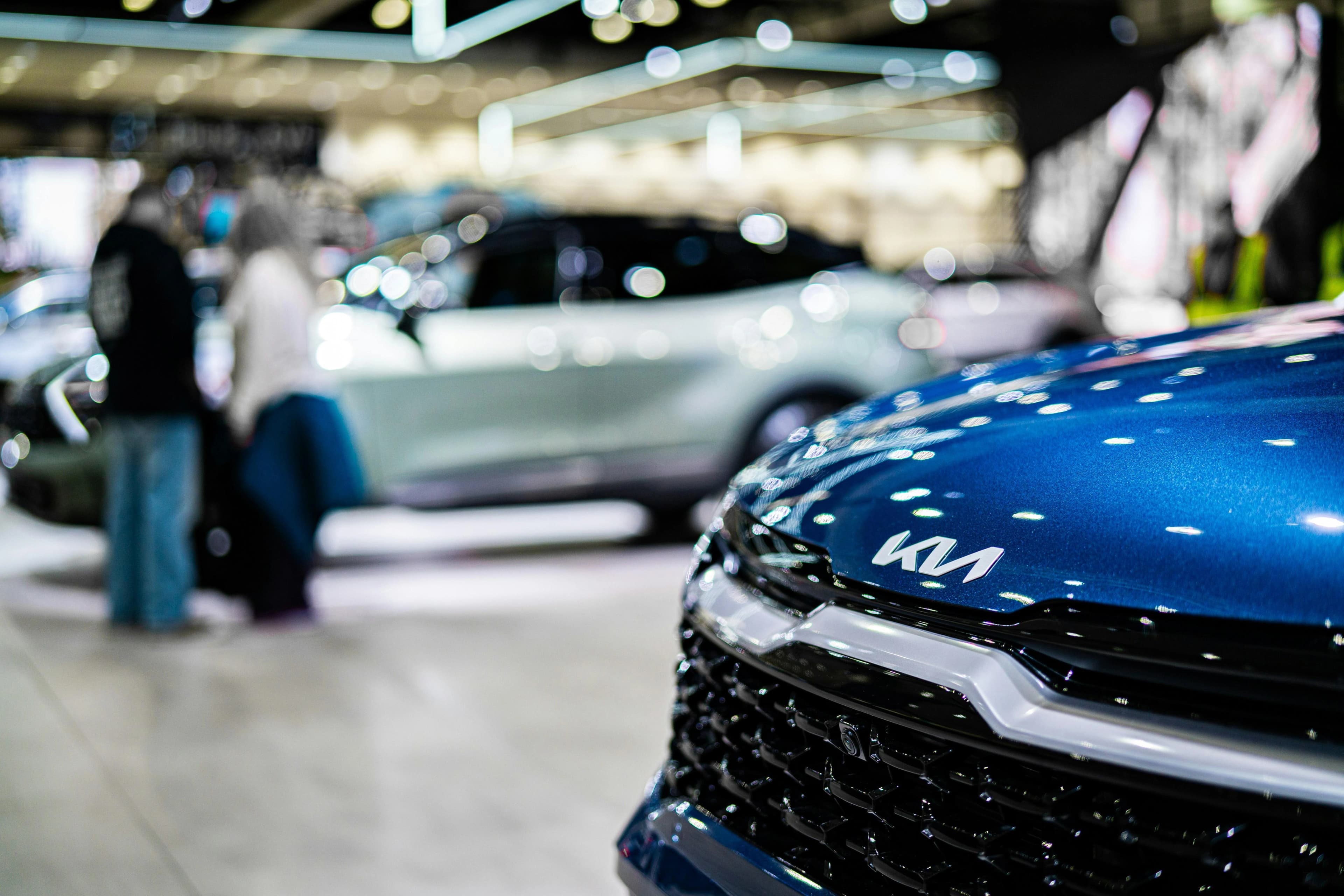
If you’ve been reading the national headlines lately, you might assume the electric vehicle revolution has stalled out, parked on the shoulder with its hazards flashing while the industry waits for a tow truck. The narrative of "EV cooling" has been the dominant track on the automotive playlist for months now. But walking the floor of the Los Angeles Convention Center this week, the vibe isn’t "game over"—it’s "game on, but let's be realistic." The concept fluff and flying taxi renderings are largely gone, replaced by metal you can actually put in your driveway.
The 2025 L.A. Auto Show feels like a recalibration. California, naturally, is ignoring the national memo that we’re all supposed to be buying hybrids again. The state’s momentum is palpable, but what’s interesting is how the manufacturers are meeting it. They aren’t showing us spaceships anymore; they’re showing us commuter cars.
Take the new Chevrolet Bolt, for instance. It’s back, it’s utilizing the Ultium (or whatever we are calling it this week) architecture, and crucially, it looks like a car. It doesn’t scream "I am saving the planet" with awkward wheel spats; it just whispers, "I am a very sensible financial decision." Chevy knows that to beat the cooling trend, you don’t need more horsepower; you need a lease deal that costs less than a week of groceries. The Bolt on the floor is arguably the most important car here because it represents the floor of the market finally restabilizing.
Then there’s the Jeep Recon. We’ve seen photos for ages, but seeing it in the metal changes the equation. It is the spiritual successor to the Wrangler without the "I’m driving a tractor" on-road manners. It’s boxy, the doors come off, and it hits that nostalgia button hard while being fully electric. Jeep isn’t trying to convert the die-hard V8 crowd overnight; they’re offering an alternative that looks cool enough that you might not care what powers it. It’s a distinct pivot from "EVs must look aerodynamic" to "EVs can look like bricks if that’s what people want."
On the performance front, the Hyundai Ioniq 6 N is doing the heavy lifting. If the Ioniq 5 N was the calm, collected track weapon, the 6 N is its slightly unhinged sibling. It proves that the enthusiast segment isn’t being abandoned in the shift to electrons. Hyundai is arguably the only legacy manufacturer that truly understands that "fun" is a metric just as valuable as "range."
And we have to talk about the stalwarts. Rivian and Lucid are here, not with flashy new concepts, but with refined production models that prove they survived the startup culling (more on that later). The Rivian R2 is drawing crowds not because it’s new tech, but because it’s the right size. It’s the Goldilocks effect in action.
The national data might show a flattening of the adoption curve, but L.A. shows a deepening of the product pool. The "cooling" isn’t a rejection of the technology; it’s a rejection of $80,000 beta tests. The cars on the floor this year—the Leaf, the Bolt, the Recon—are the industry’s answer. They are signaling that the era of the Early Adopter is over. We are now in the era of the Early Majority, and that crowd doesn't want science projects. They want cars. And for the first time in years, the L.A. Auto Show is actually giving them some.