The Kia Boys Finally Get A Hardware Patch
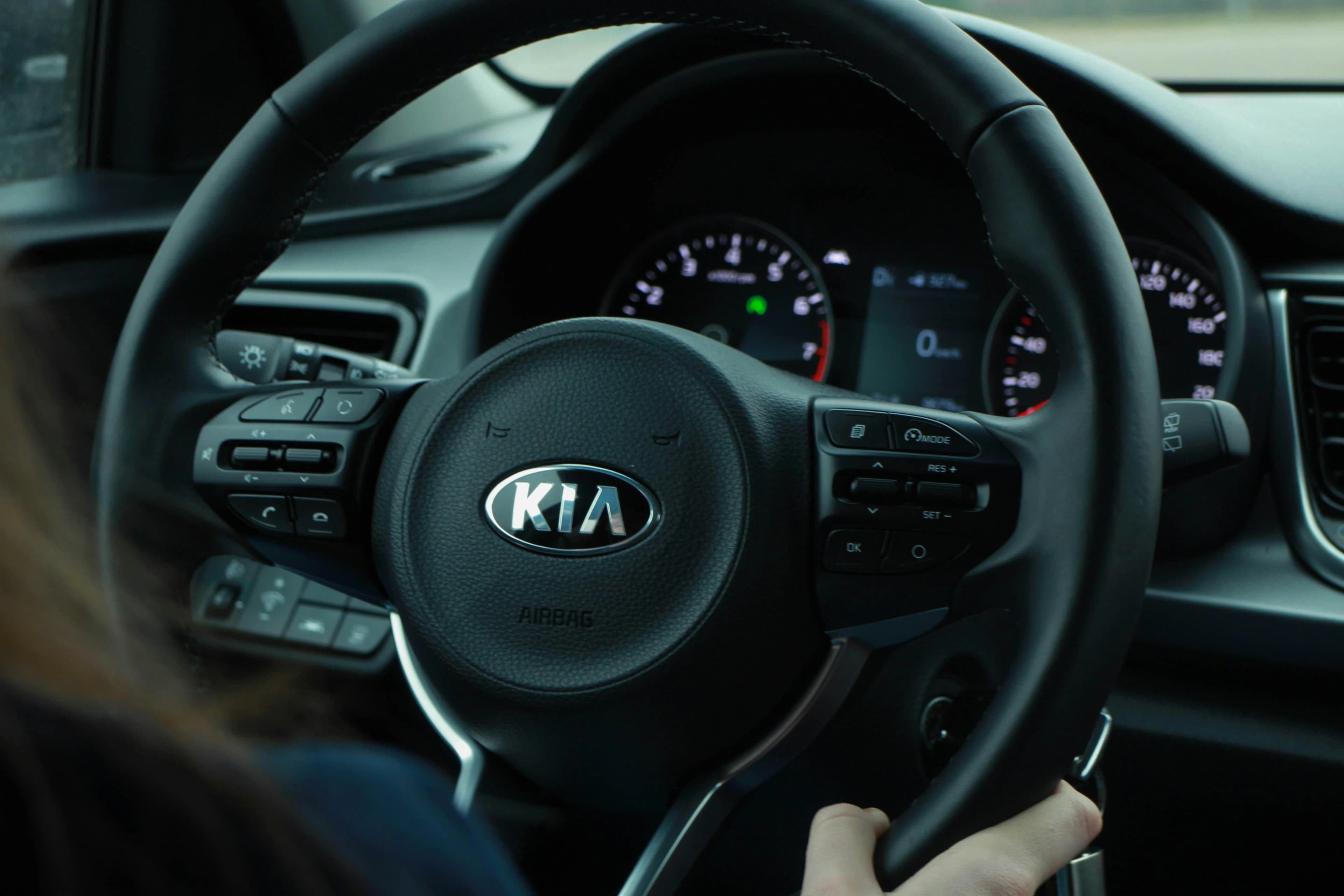
It has been a long, loud, and frankly embarrassing road for the Korean automotive giants. If you have spent any time on the internet over the last three years, you have seen the videos: teenagers with USB cables and a dream, turning some of the most popular commuters on the road into joyride statistics. After a series of software updates that many critics felt were more of a digital band-aid than a cure, Hyundai and Kia have finally stepped up with something you can actually feel. In a massive agreement involving 35 state attorney generals, the manufacturers have committed to a hardware retrofit program that targets the very heart of the problem: the ignition cylinder.
The core of this new initiative is a zinc-reinforced ignition cylinder protector. It sounds like something out of a medieval blacksmith’s shop, but in the world of 2025 security, it is exactly what the doctor ordered. This physical sleeve is designed to prevent thieves from simply snapping the ignition assembly off the steering column, which was the Achilles' heel that allowed the USB-cable trick to work in the first place. This is not just a polite suggestion for owners to come in for a checkup; it is a full-scale industrial response involving over seven million vehicles from the 2011 to 2022 model years. The scale of the fix is staggering, with estimates suggesting the total cost to the manufacturers will exceed $500 million.
For the millions of owners who have been living in fear of finding an empty parking spot where their Elantra used to be, the timeline is the next big question. Notifications are set to begin hitting mailboxes in early 2026, and owners will have until March 2027 to get the work done at no cost. It is a long window, but considering the sheer volume of cars—including Accents, Elantras, and Souls—the logistical hurdle for dealerships is going to be immense. This move also comes with a $9 million restitution fund to help offset the costs of the states’ investigations and provide some relief to consumers who have already suffered damages.
From a market perspective, this is a necessary move to stabilize the resale value of these vehicles. For a while there, trying to sell a 2015 Kia Optima was like trying to sell a haunted house: the bones were good, but nobody wanted the baggage. If you are currently in the market for one of these used models, the news is a relief, but it also adds a layer of homework. You will want to verify if a prospective car has already received the "zinc treatment" or the previous software updates. This is where a tool like Price360 becomes invaluable, as it can help buyers navigate vehicle histories and potential damages associated with theft-prone models, giving you the confidence to buy without the fear of a viral video ending your ownership experience prematurely.
Ultimately, this settlement is an admission that in the age of rapid technological change, sometimes the best solution is a heavy piece of metal. Hyundai and Kia have already begun including engine immobilizers as standard equipment on every vehicle produced since late 2021, but for the millions of cars already on the road, this retrofit is the olive branch the companies needed to extend. It is a win for consumer safety and a massive step toward closing a chapter that the industry would very much like to forget. While it will not stop every thief with a grudge, it makes the "easy" way out a whole lot harder.