The Jeep Wrangler is No Longer the Off-Road King
Rising prices and civilized road manners tip the scales in the battle for dirt-road supremacy.
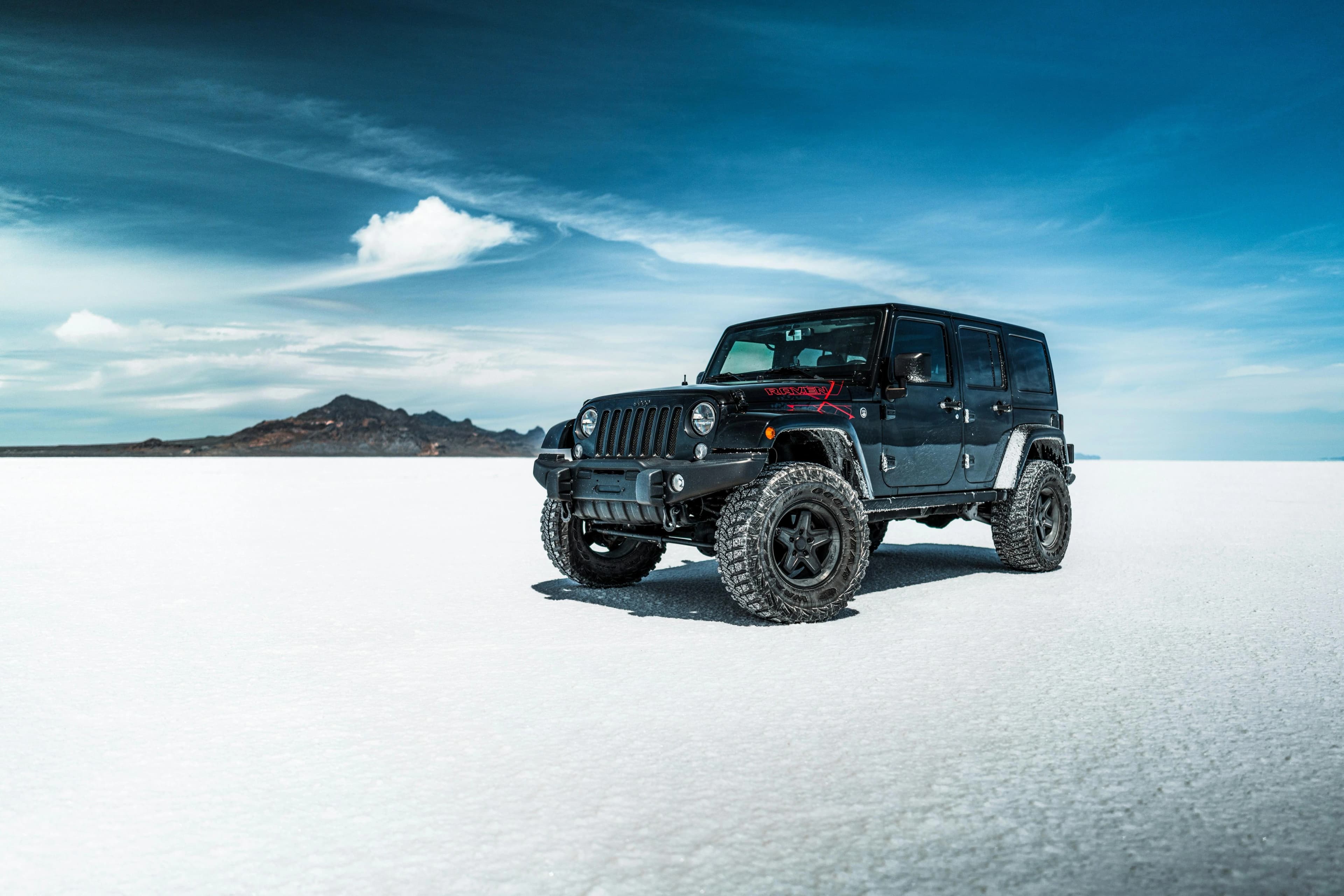
For decades, the Jeep Wrangler sat on a throne made of mud, rock, and the tears of other automotive manufacturers who tried and failed to build a boxy, open-air off-roader. It was the undisputed ruler of the dirt, a vehicle so entrenched in its niche that it did not even have to try very hard to remain successful. Jeep could sell a vehicle with solid front axles, wind noise that rivaled a category-three hurricane, and the structural dynamics of a garden shed, and people would still line up around the block to pay premium money for it. But the winds of change are blowing, and they smell like EcoBoost exhaust.
According to the latest second-quarter sales figures for 2026, the unthinkable has happened. The Ford Bronco has officially outsold the Jeep Wrangler. To those who grew up in an era where the Wrangler was the only real choice for top-down, trail-climbing fun, this feels like a tectonic shift in the industry. It is the automotive equivalent of the local diner suddenly losing its monopoly because a hip new bistro down the street figured out how to make a burger that does not leave you with heartburn.
The slide of the Wrangler from its lofty peak is not a case of sudden bad luck. It is the result of a slow, predictable accumulation of decisions from Stellantis. First, let us talk about the financial elephant in the room: pricing. There was a time when the Wrangler was a relatively affordable piece of basic engineering. You bought one because you wanted something honest, rugged, and reasonably priced. Today, wading into a Jeep dealership feels like shopping for premium Swiss watches. Prices have spiraled upward at a staggering rate. A mid-level Wrangler Willys or Sahara now routinely crosses the fifty-thousand-dollar threshold, while a fully loaded Rubicon can easily make your bank account weep. If you want the ultimate engine option, the V8-powered Wrangler 392, you are looking at six-figure territory. Stellantis decided that the Wrangler was a premium lifestyle accessory rather than a blue-collar tool, and they priced it accordingly.
Meanwhile, Ford took a long look at what real people actually do with their rugged off-roaders. While Jeep enthusiasts will spend hours debating the rock-crawling superiority of a solid front axle, the cold truth is that ninety-nine percent of these vehicles spend ninety-nine percent of their lives on paved highways. They are driven to grocery stores, suburban office parks, and high school soccer games. This is where the Bronco shines.
According to the latest second-quarter sales figures for 2026, the unthinkable has happened. The Ford Bronco has officially outsold the Jeep Wrangler. To those who grew up in an era where the Wrangler was the only real choice for top-down, trail-climbing fun, this feels like a tectonic shift in the industry. It is the automotive equivalent of the local diner suddenly losing its monopoly because a hip new bistro down the street figured out how to make a burger that does not leave you with heartburn.
The slide of the Wrangler from its lofty peak is not a case of sudden bad luck. It is the result of a slow, predictable accumulation of decisions from Stellantis. First, let us talk about the financial elephant in the room: pricing. There was a time when the Wrangler was a relatively affordable piece of basic engineering. You bought one because you wanted something honest, rugged, and reasonably priced. Today, wading into a Jeep dealership feels like shopping for premium Swiss watches. Prices have spiraled upward at a staggering rate. A mid-level Wrangler Willys or Sahara now routinely crosses the fifty-thousand-dollar threshold, while a fully loaded Rubicon can easily make your bank account weep. If you want the ultimate engine option, the V8-powered Wrangler 392, you are looking at six-figure territory. Stellantis decided that the Wrangler was a premium lifestyle accessory rather than a blue-collar tool, and they priced it accordingly.
Meanwhile, Ford took a long look at what real people actually do with their rugged off-roaders. While Jeep enthusiasts will spend hours debating the rock-crawling superiority of a solid front axle, the cold truth is that ninety-nine percent of these vehicles spend ninety-nine percent of their lives on paved highways. They are driven to grocery stores, suburban office parks, and high school soccer games. This is where the Bronco shines.
Unlike the Wrangler, which still uses a solid front axle that makes it feel like you are steering an energetic sheep on the highway, the Bronco uses an independent front suspension setup. To some purists, this was a betrayal. To anyone who has had to drive five hundred miles on an interstate to get to a national park, it was a saving grace. The Bronco actually goes where you point it. It handles bumps without sending a shudder through the entire chassis, and it keeps its composure on uneven pavement. It is a civilized, modern vehicle that happens to have removable doors and a top, rather than a military relic trying to play nice with modern traffic.
Of course, the Bronco is not perfect. It still has its share of wind noise, and the interior plastics can feel a bit cheap, but as a daily driver, it is simply a much more pleasant place to spend your time. Ford managed to bottle the nostalgic appeal of a rugged trail machine without requiring buyers to sacrifice their spinal alignment on the daily commute.
The sales crown has officially moved. Jeep will have to decide whether to double down on its hardcore, priced-out legacy or find a way to make the Wrangler more livable and affordable for the average consumer. For now, Ford is enjoying the view from the top of the mountain.
Of course, the Bronco is not perfect. It still has its share of wind noise, and the interior plastics can feel a bit cheap, but as a daily driver, it is simply a much more pleasant place to spend your time. Ford managed to bottle the nostalgic appeal of a rugged trail machine without requiring buyers to sacrifice their spinal alignment on the daily commute.
The sales crown has officially moved. Jeep will have to decide whether to double down on its hardcore, priced-out legacy or find a way to make the Wrangler more livable and affordable for the average consumer. For now, Ford is enjoying the view from the top of the mountain.