The Grinch in the Dashboard: Why Your New Car Smell Now Comes With a Side of Surveillance
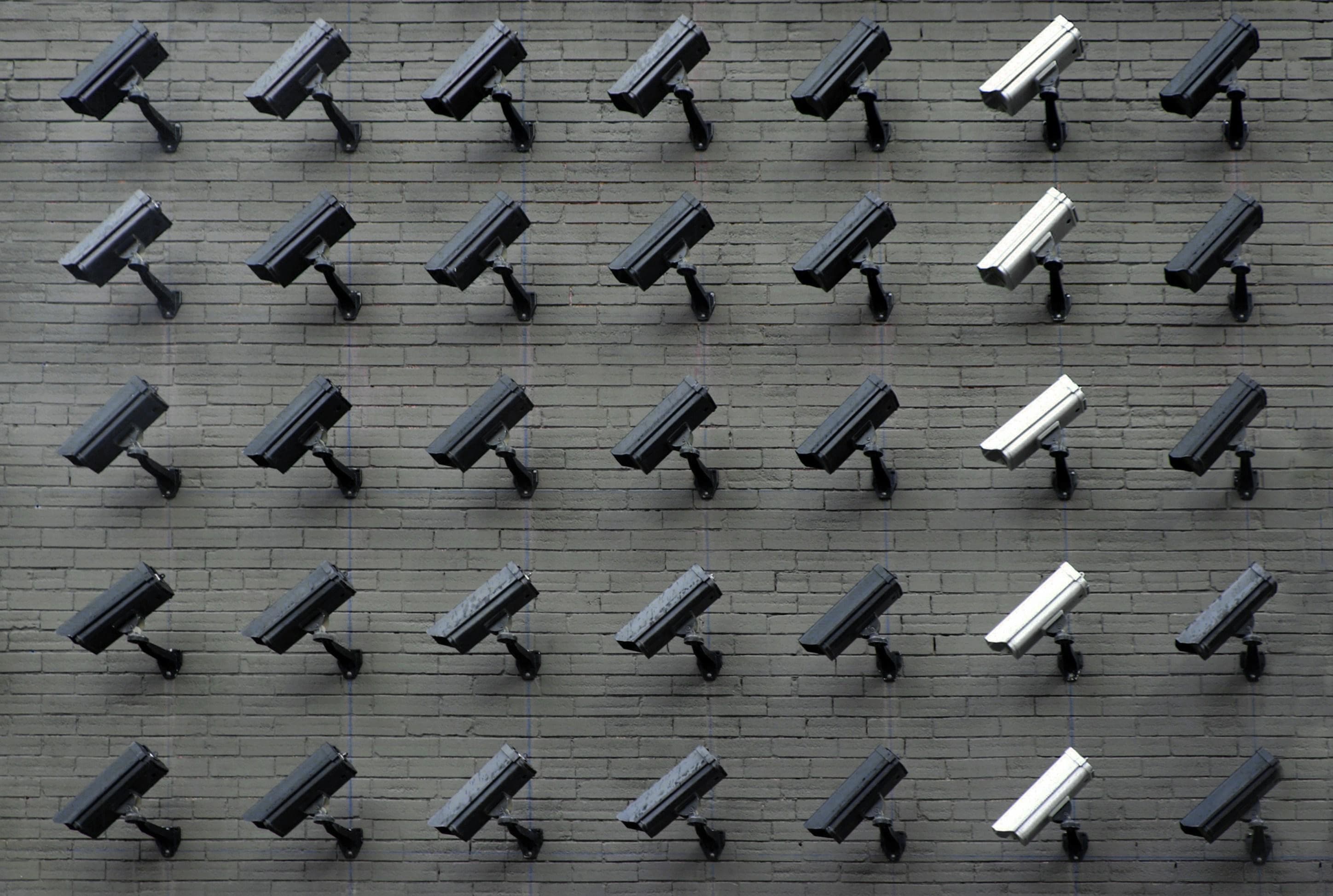
There is a specific, high-frequency joy that comes with the "New Car Christmas." You know the one—the giant red bow, the suspiciously clean floor mats, and that intoxicating scent of adhesives and hope. But as thousands of Americans unwrap their high-tech sleds this week, a cold shiver is beginning to travel down the collective spine of the internet. It turns out that while you were busy figuring out how to change the ambient lighting to "Festive Magenta," your car was busy writing a tell-all memoir about your driving habits, and it’s already looking for a publisher.
The conversation has reached a fever pitch across consumer forums and tech blogs. The core realization is that the modern "connected car" isn't really a car anymore; it’s a smartphone with four wheels and a much higher likelihood of causing a three-car pileup if the OS freezes. We’ve known for a while that telematics exist, but the scale of the data harvest is finally hitting home for the average buyer. We’re talking about location history, seatbelt usage, "harsh braking" events, and even, in some truly dystopian fine print, the types of music you listen to or how often you visit a fast-food drive-thru.
Why does this matter now? Because the "opt-out" systems have become a labyrinthian nightmare. Buyers are finding that to disable the data sharing—specifically the kind that ends up in the hands of insurance brokers who would love a reason to spike your premium—they have to navigate sub-menus that feel like they were designed by a vengeful escape room architect. Just last week, the DRIVER Act was reintroduced in Congress, a legislative attempt to mandate that drivers actually own the data their cars produce. It’s a novel concept: the idea that if you pay $50,000 for a machine, you should probably be the one who decides who gets to know how fast you took that off-ramp on Tuesday night.
The timing of this renewed scrutiny couldn't be worse for the industry. A massive data breach at 700Credit, a firm used by thousands of dealerships for financing checks, was disclosed just days ago, potentially affecting 5.6 million people. While that was a traditional hack, it underscores the vulnerability of the entire automotive ecosystem. When you buy a car today, you aren't just buying a vehicle; you’re entering into a data-sharing agreement that links your credit score, your driving behavior, and your physical location into one massive, hackable profile.
For many, the most alarming part isn't the data collection itself, but the lack of transparency at the point of sale. Dealers are often incentivized to gloss over the "Connected Services" agreement during the flurry of paperwork in the finance office. Most buyers just want to get their keys and go, leading them to click "Accept" on a 15-inch touchscreen without realizing they’ve just consented to a digital ride-along for the next five years. This "hidden passenger" can affect everything from your insurance rates to the long-term resale value of the car if the next owner can see your history of "aggressive" driving logged in the cloud.
As we head into the new year, the "Connected Car" conversation is moving from the tech-bro fringes into the mainstream. Consumers are finally asking: if I’m the one paying for the gas, the electricity, and the monthly payment, why am I the only one who doesn't benefit from the data being generated? Until the industry finds a way to make "opt-out" as easy as "opt-in," the holiday season might feel a little less like a gift and a little more like a surveillance contract.